
Currently, there are almost no grizzly bears in the North Cascades. The last verified sighting of a grizzly bear in the U.S. portion of the North Cascades ecosystem was in 1996, despite the region containing some of the best remaining grizzly habitat in the lower 48 states.
However, this may soon change. Federal agencies have announced plans to restore grizzly bears to the North Cascades National Park and surrounding wilderness. These magnificent creatures once roamed these mountains for thousands of years, playing a key role in the ecosystem by distributing plant seeds and keeping wildlife populations balanced.
Find available hotels and vacation homes instantly. No fees, best rates guaranteed!
Check Availability Now
For hikers exploring Washington’s wilderness areas, learning to safely navigate bear country is an essential skill. While enjoying scenic routes like the Iron Goat Trail, visitors should remember they’re guests in the home of these magnificent animals, whether the bears are currently present or may return in the future.
Grizzly Bear Populations in the North Cascades
Grizzly bears once thrived throughout the North Cascades, but their numbers have dwindled dramatically over time. Today, conservation efforts aim to restore these magnificent creatures to their historical range.
Historical Context and Current Status
Grizzly bears have been part of the North Cascades ecosystem for thousands of years. They played a key role in distributing native plant seeds and maintaining wildlife population balance. Historical records show that these bears were once abundant in the region.
Hudson Bay Company trading posts documented nearly 4,000 grizzly bear hides shipped from the North Cascades area between 1827 and 1859. This suggests a robust population before European settlement expanded.
Today, the situation is dramatically different. The last confirmed sighting of a grizzly bear in the U.S. portion of the North Cascades was in 1996. The population decline resulted primarily from direct killing by humans over decades.
Experts believe a few bears may still roam the vast wilderness, but their numbers are too small to sustain a viable population without intervention.
Conservation Efforts and Recovery Plans
Federal agencies have developed comprehensive plans to restore grizzly bears to the North Cascades. In a significant development, the National Park Service and U.S. Fish and Wildlife Service announced a decision to reintroduce grizzlies to the region.
The restoration plan involves translocating bears from the Rocky Mountains or interior British Columbia to establish a new population. This approach aims to restore the ecological balance that existed before human intervention.
Key components of the recovery plan include:
- Careful monitoring of translocated bears
- Public education campaigns
- Development of conflict prevention strategies
- Habitat protection measures
The North Cascades contains some of the best remaining grizzly habitat in the lower 48 states. Much of this area is less inhabited now than during historical mining periods, making successful reintroduction more feasible.
Challenges in Grizzly Bear Conservation
Despite strong scientific support, grizzly bear restoration faces several obstacles. Public concerns about safety remain a significant challenge, requiring extensive outreach and education programs.
The bears’ slow reproductive rate complicates recovery efforts. Female grizzlies typically have cubs only every 3-4 years, meaning population growth will be gradual even under ideal conditions.
Climate change threatens to alter habitat conditions and food availability for grizzlies. Rising temperatures could affect hibernation patterns and reduce key food sources like berries and nuts.
Securing adequate funding for long-term monitoring and management presents another hurdle.
Human and Grizzly Bear Coexistence
Successful coexistence between humans and grizzly bears in the North Cascades depends on proactive measures and community involvement. With proper strategies in place, people and bears can share the landscape safely.
Preventing Conflicts and Ensuring Safety
Living in bear country requires awareness and preparation. When hiking in the North Cascades, visitors should always carry bear spray and know how to use it properly. This simple tool has proven highly effective in deterring aggressive bear encounters.
Making noise while hiking helps alert bears to human presence, giving them time to move away. Hikers should travel in groups when possible and be especially cautious in areas with limited visibility.
Food management is crucial in preventing conflicts. Proper food storage using bear-resistant containers keeps tempting smells from attracting curious bears. This applies both to backcountry campers and residents living near bear habitat.
The Washington Department of Fish and Wildlife offers guidelines for bear-proof homes, including securing garbage, removing bird feeders during active bear seasons, and keeping pet food indoors.
Community Engagement and Education
Education plays a vital role in fostering public support for grizzly bear conservation. Community workshops help locals understand bear behavior and learn how to peacefully coexist with these important predators.
In areas where grizzly reintroduction efforts are underway, agencies are implementing extensive education programs. These initiatives teach people how to recognize bear signs, respond to encounters, and take preventative measures.
The Friends of the North Cascades Grizzly Bear coalition works with communities to develop bear-smart infrastructure and education. Their efforts help rural communities become proud partners in conservation.
Studies show the actual risk of grizzly bear injury to humans is extremely low. In Yellowstone, where over 1,000 grizzlies live, the chance of injury is just 1 in 2.7 million visits. The proposed North Cascades population would be much smaller, making encounters even less likely.
Visitors to the famous Iron Goat Trail can enjoy their hike with peace of mind by following these same bear safety principles, contributing to the harmonious relationship between humans and wildlife in Washington’s magnificent mountain landscapes.

Find available hotels and vacation homes instantly. No fees, best rates guaranteed!
Check Availability Now
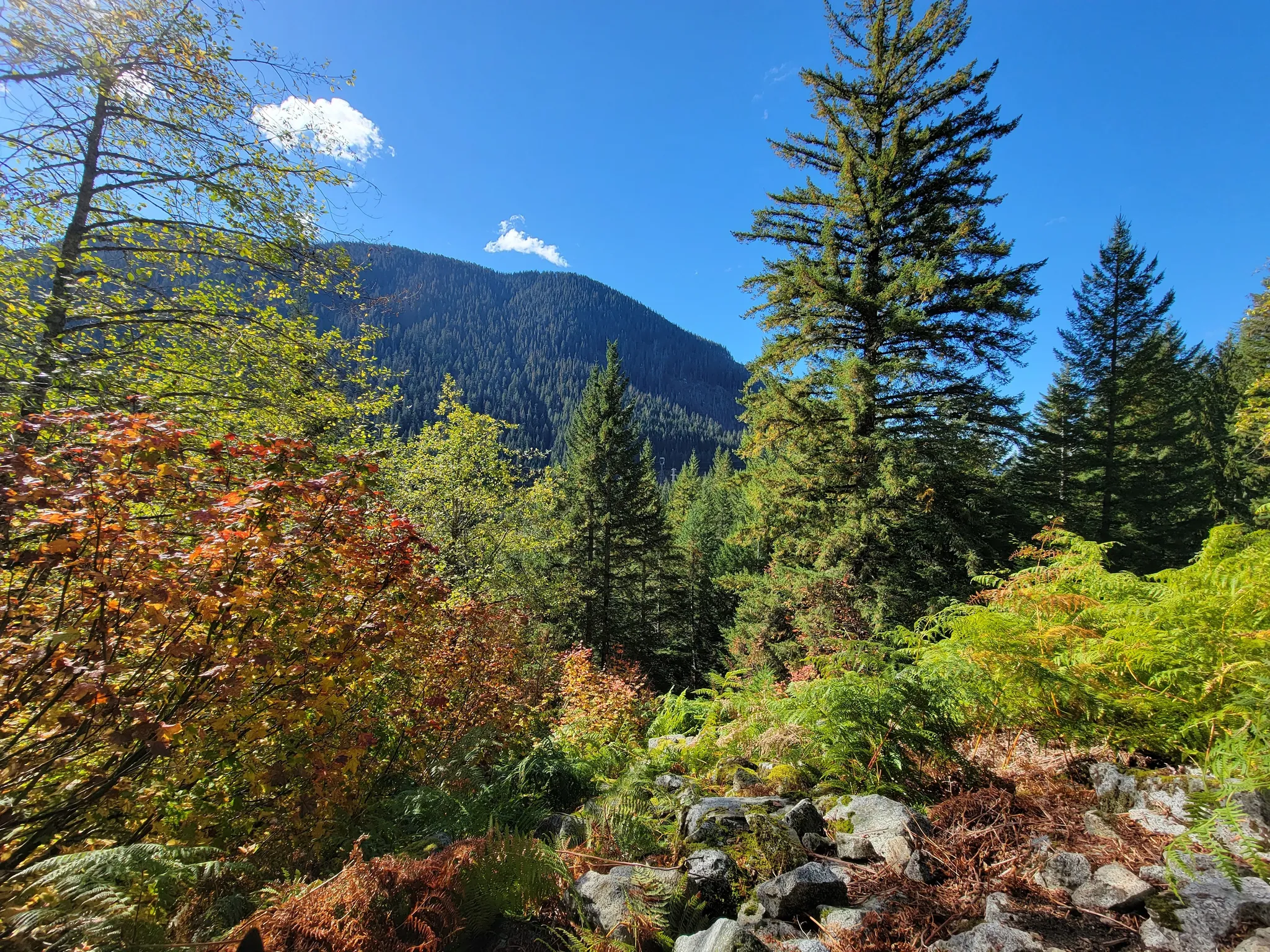
Iron Goat Trail Hiking Guide: Exploring Washington’s Scenic Railway Path
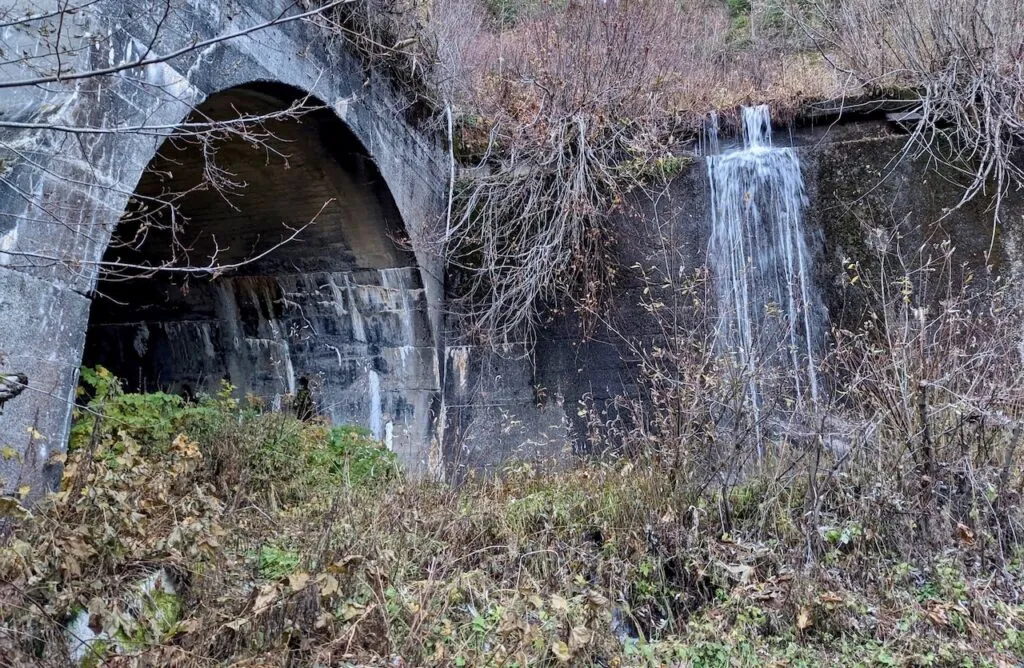
Iron Goat Trail History: Exploring the Legacy of the Great Northern Railway
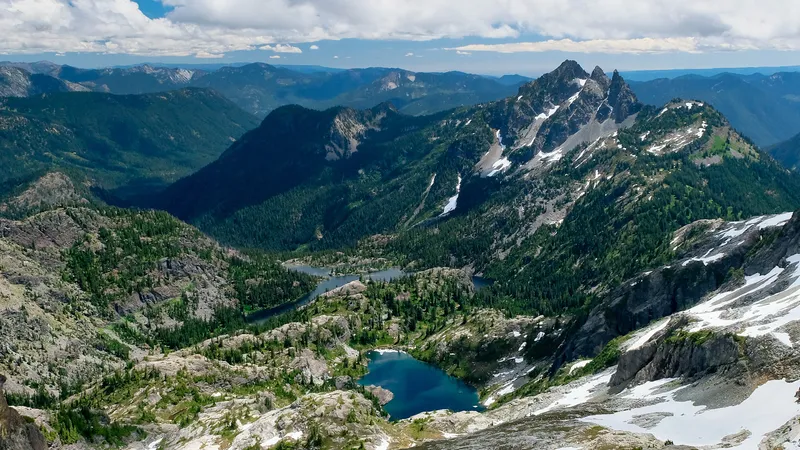
Things to Do Near Skykomish, Washington
