
Yes, there are wolves in the Cascades, but they’re still quite rare. The North Cascades ecosystem currently hosts only a few wolf packs, with most wolves in Washington State residing in the eastern regions rather than the Cascade Mountains. Despite the vast wilderness of North Cascades National Park and neighboring public lands, wolf population growth in this region has been slower than expected since their natural return to Washington in the early 2000s.
Wildlife enthusiasts hoping to spot these elusive predators should know that while wolves have been sighted throughout the Cascade Range, they tend to stick to remote areas away from human activity. According to wildlife officials, reproduction has been documented in the Hozomeen area as far back as 1990, marking the first known reproduction of wild wolves in the Cascades in decades.
Find available hotels and vacation homes instantly. No fees, best rates guaranteed!
Check Availability Now
Conservation efforts continue to support wolf recovery across Washington’s three wolf management regions: Eastern Washington, Northern Cascades, and Southern Cascades and Northwest Coast. Hikers exploring beautiful trails like the historic Iron Goat Trail might find wolf tracks in winter snow or hear distant howls, though actual sightings remain extremely rare. The return of these magnificent animals represents hope for a more complete and healthy mountain ecosystem.
Wolf Ecology and Habitat in the North Cascades
Wolves in the North Cascades exist within a complex ecosystem that supports their natural behaviors and social structures. These magnificent predators navigate the rugged terrain of this wilderness while playing a vital role in maintaining ecological balance.
Understanding Wolf Behavior and Social Structure
Gray wolves (Canis lupus) are highly intelligent animals that typically live in family groups called packs. These packs usually consist of a breeding pair (alpha male and female) and their offspring from multiple years.
Pack size in the North Cascades region tends to be smaller than in other parts of North America due to prey availability and terrain challenges. A typical pack might include 4-8 wolves working together to hunt, defend territory, and raise young.
Wolves communicate through howling, body posture, and scent marking. These communication methods help maintain pack cohesion in the dense forests and steep terrain of the Cascades.
Reproduction typically occurs once yearly, with breeding pairs producing litters of 4-6 pups in spring. The entire pack helps raise the pups, demonstrating their social nature.
Habitats Within the North Cascades
The North Cascades ecosystem provides diverse habitats for wolves, though not all areas are equally suitable. The region includes:
Prime Wolf Habitat Areas:
- North Cascades National Park
- Pasayten Wilderness
- Glacier Peak Wilderness
- Diobsud Creek area
Wolves prefer areas with adequate prey populations (deer and elk) and minimal human disturbance. However, the steep and rugged terrain of much of the North Cascades is not conducive to year-round use by wolves because it limits ungulate populations.
Wolves are adaptable and may migrate seasonally between elevations following prey movements. Lower elevations with deer populations can sustain wolves in winter, while summer may find them at higher elevations.
The vast wilderness areas provide the isolation wolves need for denning and raising young. Similar to the forested valleys near the Iron Goat Trail, these habitats offer the seclusion that helps wolves thrive.
Conservation and Management Challenges
Wolf conservation in the Cascades faces several important hurdles despite growing populations elsewhere in Washington. Managing the balance between recovery goals and human conflicts requires careful planning and community involvement.
Wolf Conservation Efforts in Washington State
Washington’s wolf recovery is guided by the Wolf Conservation and Management Plan adopted in 2011. This plan divides the state into distinct recovery regions: Eastern Washington, Northern Cascades, Southern Cascades, and Northwest Coast.
While wolf populations are robust in northeastern Washington, the Cascade region struggles to establish sustainable packs. Poaching has been a significant problem in the Cascades, hampering recovery efforts in this important habitat area.
As of recent counts, there are 33 confirmed packs in Eastern Washington and Northern Cascades, but the South Cascades and Northwest Coast recovery region remains without established wolf packs. This uneven distribution presents challenges for meeting statewide recovery goals.
The Washington Department of Fish and Wildlife balances conservation with managing human-wolf conflicts. Strategies include non-lethal deterrents, compensation for livestock losses, and education programs to foster coexistence.
Hikers on the popular Iron Goat Trail might be hiking through potential wolf territory, though actual sightings remain extremely rare. These magnificent creatures typically avoid human contact, preferring the deeper wilderness areas of the Cascades.

Find available hotels and vacation homes instantly. No fees, best rates guaranteed!
Check Availability Now
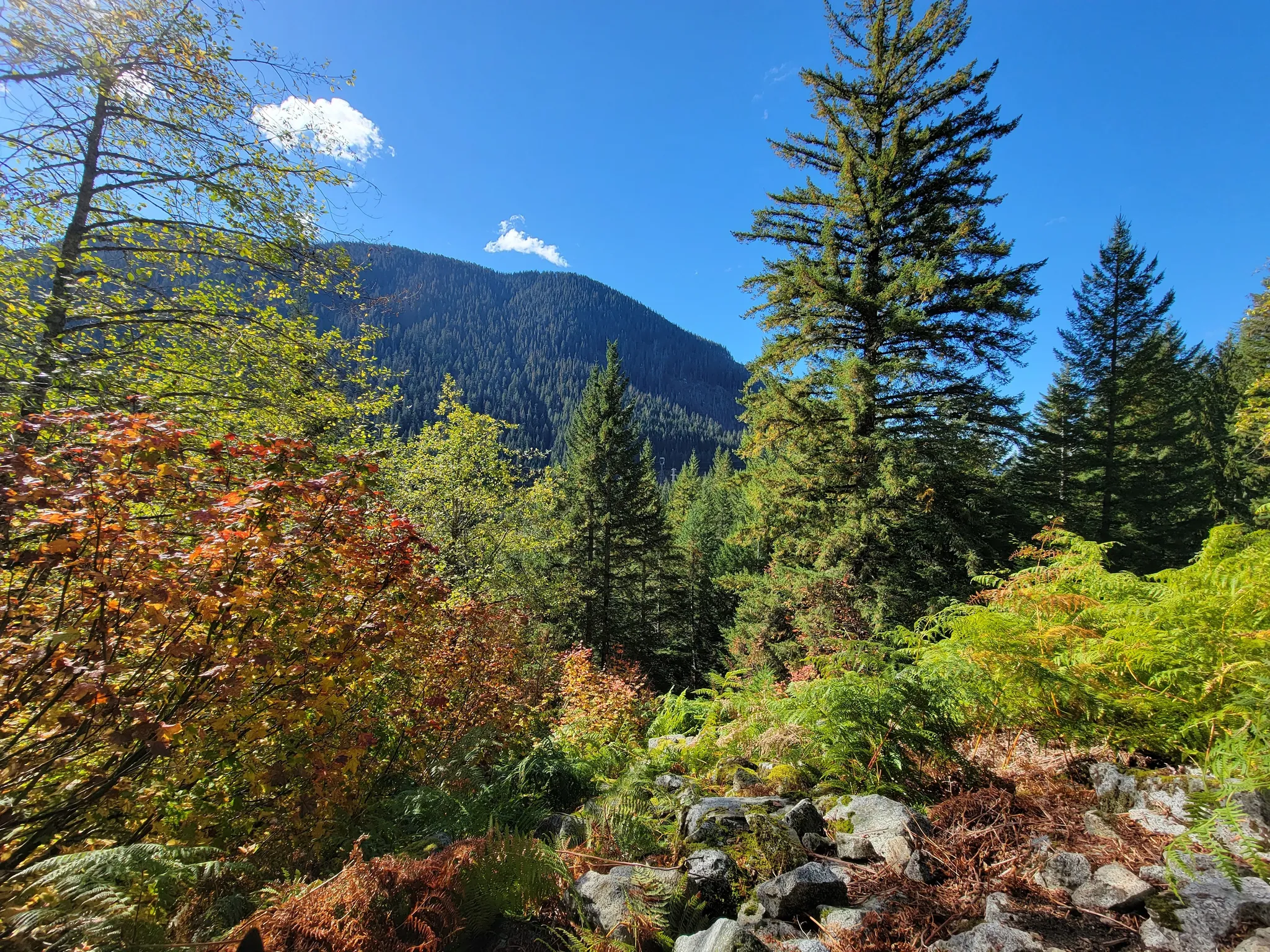
Iron Goat Trail Hiking Guide: Exploring Washington’s Scenic Railway Path
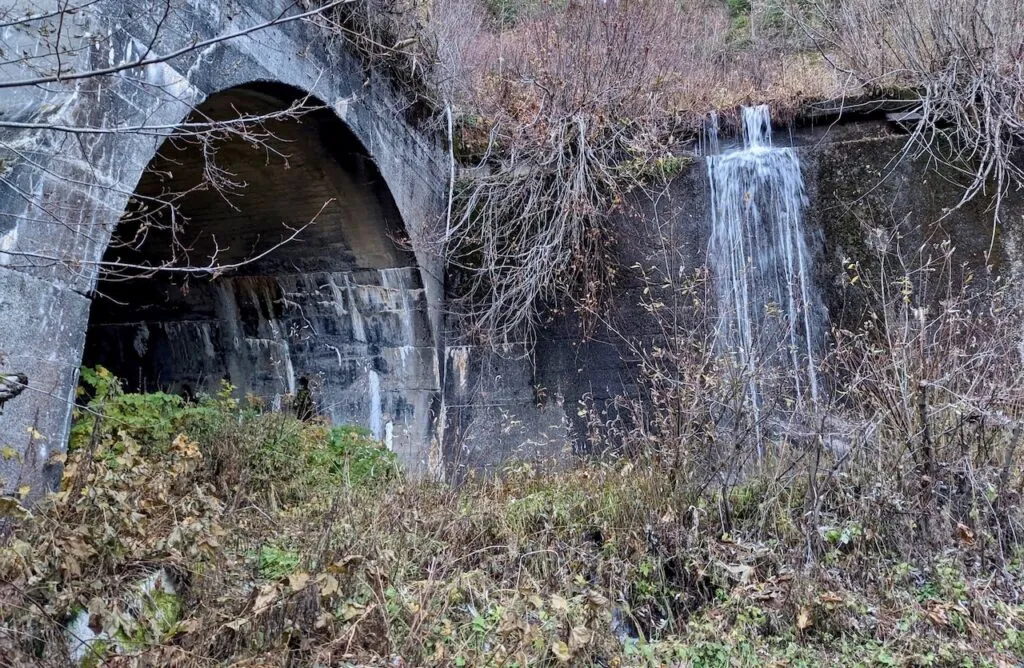
Iron Goat Trail History: Exploring the Legacy of the Great Northern Railway
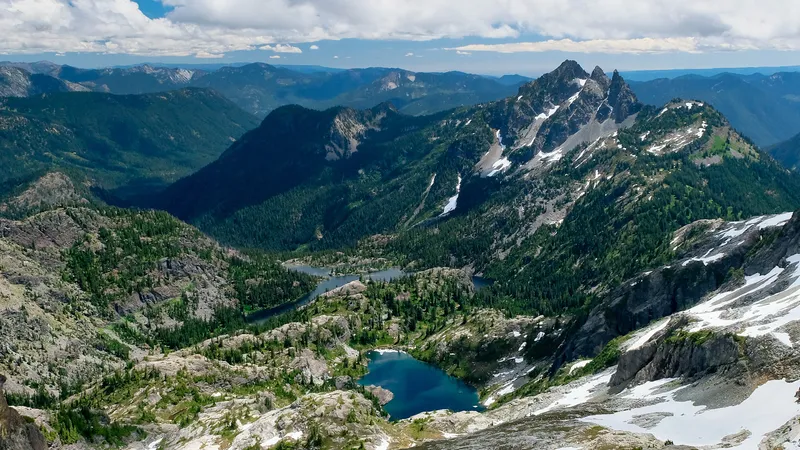
Things to Do Near Skykomish, Washington
