
When exploring the beautiful mountains of Washington state, many travelers wonder about the relationship between two prominent ranges. The Olympic Mountains are not part of the Cascade Range — they are completely separate mountain systems in the Pacific Northwest with different origins and characteristics.
The Olympic Mountains stand majestically on the Olympic Peninsula in the northwestern corner of Washington. Rising to 7,980 feet at Mount Olympus, these mountains formed through a process called subduction, where the Juan de Fuca oceanic plate pushed beneath the North American continent. This rugged range is home to diverse ecosystems protected within Olympic National Park, including rainforests, alpine meadows, and glaciers that support unique wildlife like mountain goats.
Find available hotels and vacation homes instantly. No fees, best rates guaranteed!
Check Availability Now
Meanwhile, the Cascade Range stretches from British Columbia through Washington and Oregon into Northern California. These mountains include both non-volcanic peaks and the famous High Cascades volcanoes. Hikers who love exploring Washington’s mountain trails often find the Iron Goat Trail, which winds through the western Cascades, offers a completely different experience than trekking in the Olympics — with its own fascinating history and breathtaking views.
Geology and Geography
The Olympic Mountains and Cascade Range represent two distinct geological features in Washington state, each with unique origins and characteristics. These mountain ranges shape the landscape and influence the regional climate and ecosystems.
Formation and Features
The Olympic Mountains formed over millions of years through a complex process involving oceanic crust. Unlike the volcanic Cascades, the Olympics consist of uplifted and folded oceanic sediments and basalt that were scraped off the Juan de Fuca Plate as it subducted beneath North America.
Mount Olympus reaches 7,979 feet at its summit, making it the tallest peak in the range. While not extremely high compared to other mountains, the Olympics rise dramatically from sea level, creating impressive relief.
The Olympics feature a unique core of highly folded sedimentary and metamorphic rocks surrounded by a horseshoe-shaped border of Crescent Formation basalt. This distinctive geology supports diverse ecosystems including mountain hemlock, western hemlock, Sitka spruce, and western red cedar forests.
Distinct Regions of Washington
Washington state contains several major mountain systems that belong to the broader Pacific Coast Ranges. The Olympic Mountains occupy the Olympic Peninsula in the northwest, while the Cascade Range runs north-south through the state’s center.
The Cascades differ fundamentally from the Olympics, featuring active volcanoes created through subduction zone processes. This volcanic range includes iconic peaks like Mount Rainier and Mount Baker, which are part of the Ring of Fire.
The North Cascades represent yet another distinct region with some of the most rugged terrain in the state. Here, glaciated peaks have carved dramatic valleys and alpine landscapes that differ from both the Olympics and southern Cascades.
These geological differences create varied recreational opportunities throughout Washington, from hiking along the misty Olympic coast to exploring the volcanic features and glaciers of the Cascades near the historic Iron Goat Trail.
Ecology and Environment
The Olympic Mountains are home to unique and diverse ecosystems that differ significantly from the Cascade Range. These mountains support incredible biodiversity with distinct climate patterns that create some of North America’s most remarkable environments.
Flora and Fauna
The Olympic Mountains host an impressive array of plant and wildlife species. Olympic National Park protects several distinct ecosystems, including the famous Hoh Rainforest, one of the few temperate rainforests in North America. This lush environment receives up to 14 feet of rain annually.
Large mammals like Roosevelt elk, black bears, and mountain goats roam throughout the mountains. The Olympics are also home to endemic species like the Olympic marmot, found nowhere else on Earth.
Subalpine meadows bloom with wildflowers in summer months, creating colorful displays between 5,000 and 6,000 feet elevation. At higher elevations, hardy alpine species survive in a landscape shaped by snow and wind.
The dense forests feature towering Sitka spruce, western hemlock, and Douglas fir trees draped with moss and ferns, creating an enchanted forest atmosphere unlike the drier eastern slopes of the Cascades.
Climate and Weather Patterns
The Olympic Mountains create their own distinctive weather patterns. Their position capturing moisture from the Pacific Ocean results in dramatic precipitation differences across the range.
The western slopes receive some of the heaviest rainfall in the continental United States, with some areas getting over 140 inches annually. This creates the perfect conditions for temperate rainforests to thrive.
Eastern areas experience a rain shadow effect, receiving significantly less precipitation – sometimes less than 30 inches yearly. This stark contrast creates diverse habitats within a relatively small geographic area.
Winters bring heavy snowfall to higher elevations, while summer temperatures remain relatively mild throughout the range. Fall brings spectacular color changes to deciduous trees in the lower elevations.
Weather can change rapidly in the Olympics, with fog and rain developing quickly even during summer months. Visitors exploring these mountains should always be prepared for changing conditions.

Find available hotels and vacation homes instantly. No fees, best rates guaranteed!
Check Availability Now
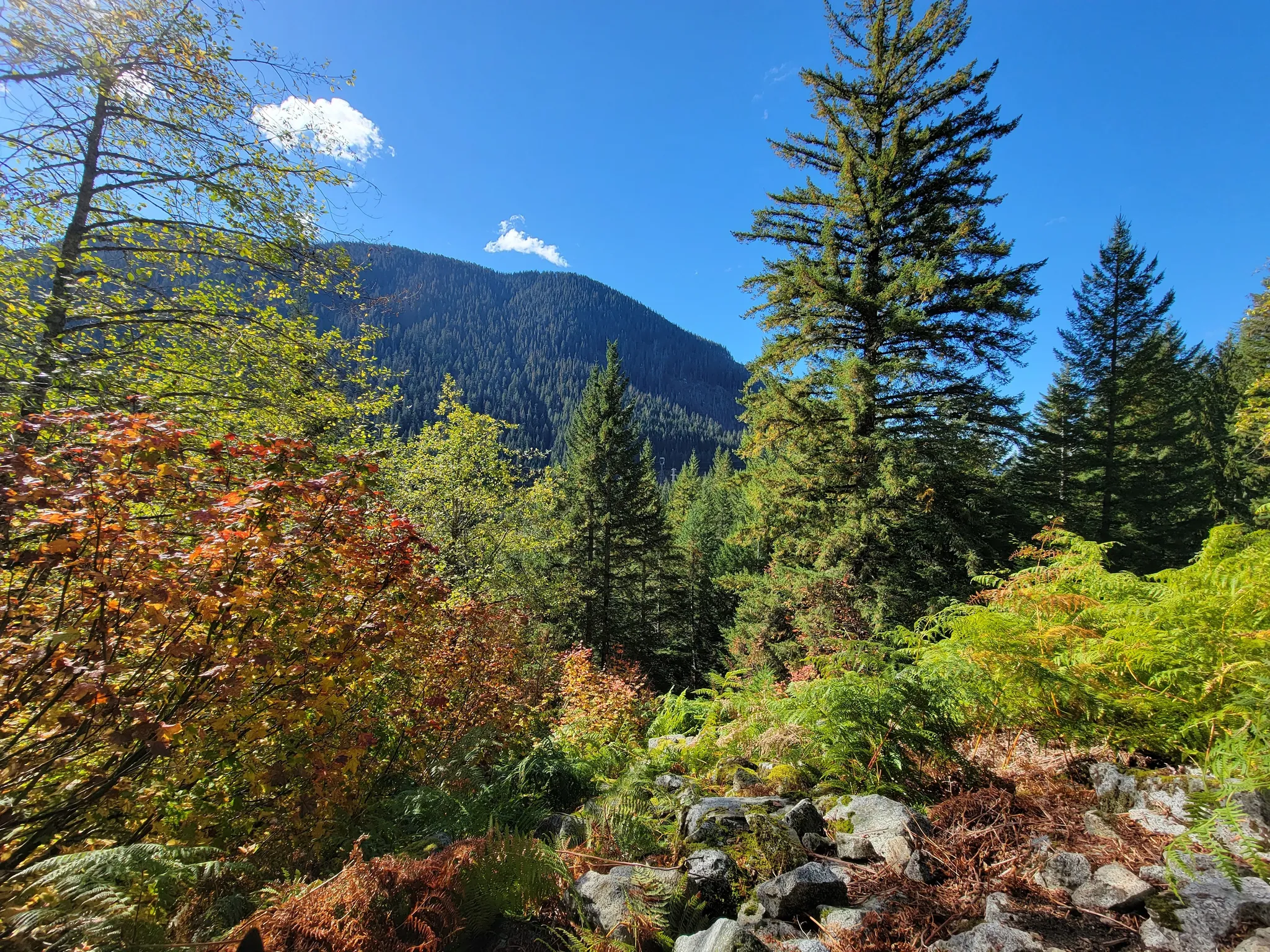
Iron Goat Trail Hiking Guide: Exploring Washington’s Scenic Railway Path
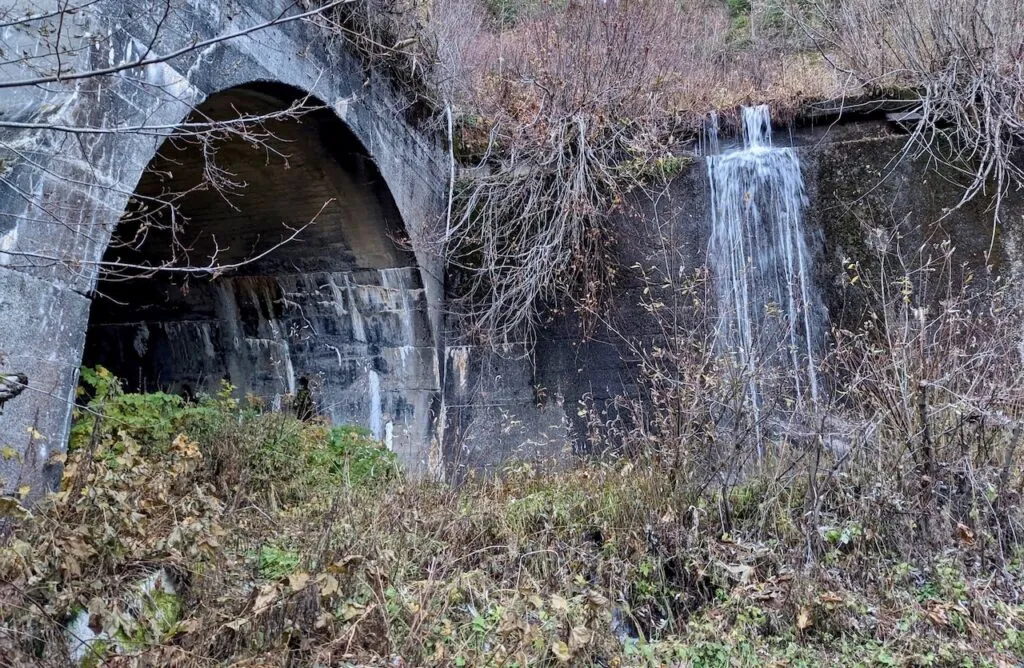
Iron Goat Trail History: Exploring the Legacy of the Great Northern Railway
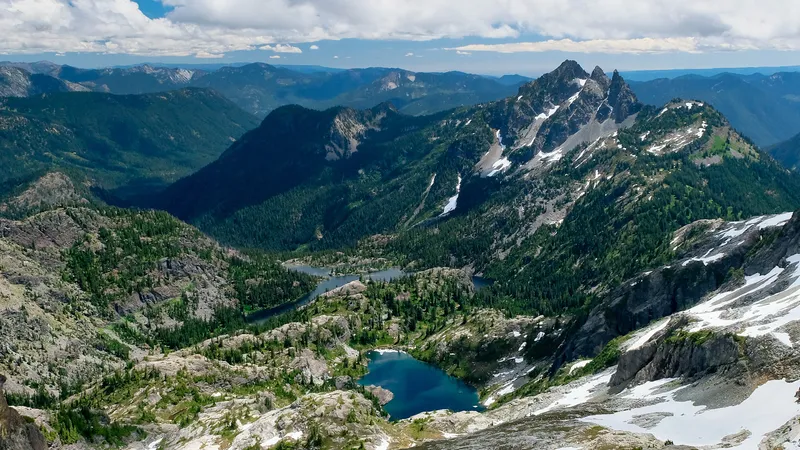
Things to Do Near Skykomish, Washington
