
Standing majestically in Washington state, Mount Rainier is an icon of the Pacific Northwest landscape. Mount Rainier is located in the Cascade Range, a major mountain range that stretches from British Columbia through Washington and Oregon to Northern California. At 14,410 feet (4,392 meters) tall, this active volcano is the highest peak in the Cascade Range and forms a stunning backdrop for the Puget Sound region.
What makes Mount Rainier especially remarkable is not just its height but its dramatic presence. The mountain rises abruptly from the surrounding landscape, with elevations in Mount Rainier National Park ranging from 1,600 feet to over 14,000 feet. Known to Native Americans as Tahoma, this massive stratovolcano last erupted about 150 years ago but remains classified as active.
Find available hotels and vacation homes instantly. No fees, best rates guaranteed!
Check Availability Now
Visitors exploring the Cascade Range often find themselves drawn to Mount Rainier’s snow-capped peak, glaciers, and subalpine meadows. Hikers particularly enjoy the diverse trails in the region, including the historic Iron Goat Trail which offers a perfect complement to any Mount Rainier adventure, giving travelers a chance to experience both the natural beauty and rich history of Washington’s mountain landscape.
Mount Rainier and the Cascade Range
Mount Rainier stands as the crown jewel of the Cascade Range, dominating the Washington landscape with its massive size and significant geological and cultural importance.
Geological Features
Mount Rainier is the tallest peak in the Cascade Range at an impressive 14,410 feet (4,392 meters). This majestic mountain isn’t just tall – it’s also an active stratovolcano with a cone-shaped structure built up by many layers of hardened lava and volcanic ash.
The mountain is heavily glaciated, containing the most extensive glacier system in the continental United States. These glaciers carve the mountain’s distinctive features and feed several major rivers.
Mount Rainier last erupted about 150 years ago, making it relatively quiet in recent times. However, geologists closely monitor it because of potential hazards like lahars (volcanic mudflows) that could affect nearby communities.
The summit area features a point called Columbia Crest, which marks the highest spot on the mountain. Visitors to the area can witness firsthand how volcanic forces shaped this dramatic landscape.
Human and Cultural Significance
Native American tribes have revered this mountain for thousands of years. Many indigenous peoples called it “Tahoma” or similar names, recognizing its spiritual importance long before European settlers arrived.
Mount Rainier became the first national park in Washington when it was established in 1899. The park now protects 236,000 acres of wilderness that surrounds the volcano.
The mountain creates its own weather patterns and dramatically influences the ecology of the Puget Sound region. Its imposing silhouette is visible from Seattle and Tacoma on clear days, serving as a landmark for residents.
Visitors from around the world travel to experience Mount Rainier’s beauty. Hiking trails wind through ancient forests and alpine meadows, including connections to historic routes like the Iron Goat Trail, which offers a fascinating glimpse into the region’s railroad history.
Recreation and Natural Wonders
Mount Rainier offers countless opportunities for adventure and natural exploration within its diverse ecosystems. The mountain’s unique position in the Cascade Range creates habitats that support remarkable biodiversity alongside exciting recreational activities.
Climbing and Exploration
Mount Rainier National Park attracts thousands of climbers and hikers each year. The first successful ascent to the 14,410-foot summit was recorded in 1870, marking the beginning of a rich mountaineering tradition.
Paradise, located at 5,400 feet elevation, serves as a popular starting point for summit attempts and day hikes. This area offers stunning views and access to subalpine meadows.
The iconic 93-mile Wonderland Trail encircles the entire mountain, taking backpackers through varied terrain and ecosystems. This challenging trail typically requires 10-14 days to complete.
Beyond climbing, visitors enjoy:
- Snowshoeing and skiing (winter)
- Waterfall viewing at Christine and Narada Falls
- Photography opportunities at reflective mountain lakes
- Hiking the network of over 260 miles of maintained trails
Flora, Fauna, and Ecosystem
The mountain’s varied elevations create distinct life zones supporting diverse plants and animals. Subalpine wildflower meadows burst with color during summer months, featuring lupines, paintbrush, and beargrass.
Wildlife enthusiasts might spot:
- Mountain goats navigating steep terrain
- Roosevelt elk in forested valleys
- Playful marmots sunning on rocks
- Black bears foraging for berries
The Carbon Glacier, the largest glacier by volume in the contiguous United States, showcases the power of glacial ice that has shaped the landscape. These glaciers feed five major river systems flowing from the mountain.
Ancient forests cloak the lower slopes, providing habitat for numerous species. The interaction between volcanism and wilderness has created tephra soil layers that support this rich biodiversity, similar to what visitors experience along the historic Iron Goat Trail in the western Cascades.

Find available hotels and vacation homes instantly. No fees, best rates guaranteed!
Check Availability Now
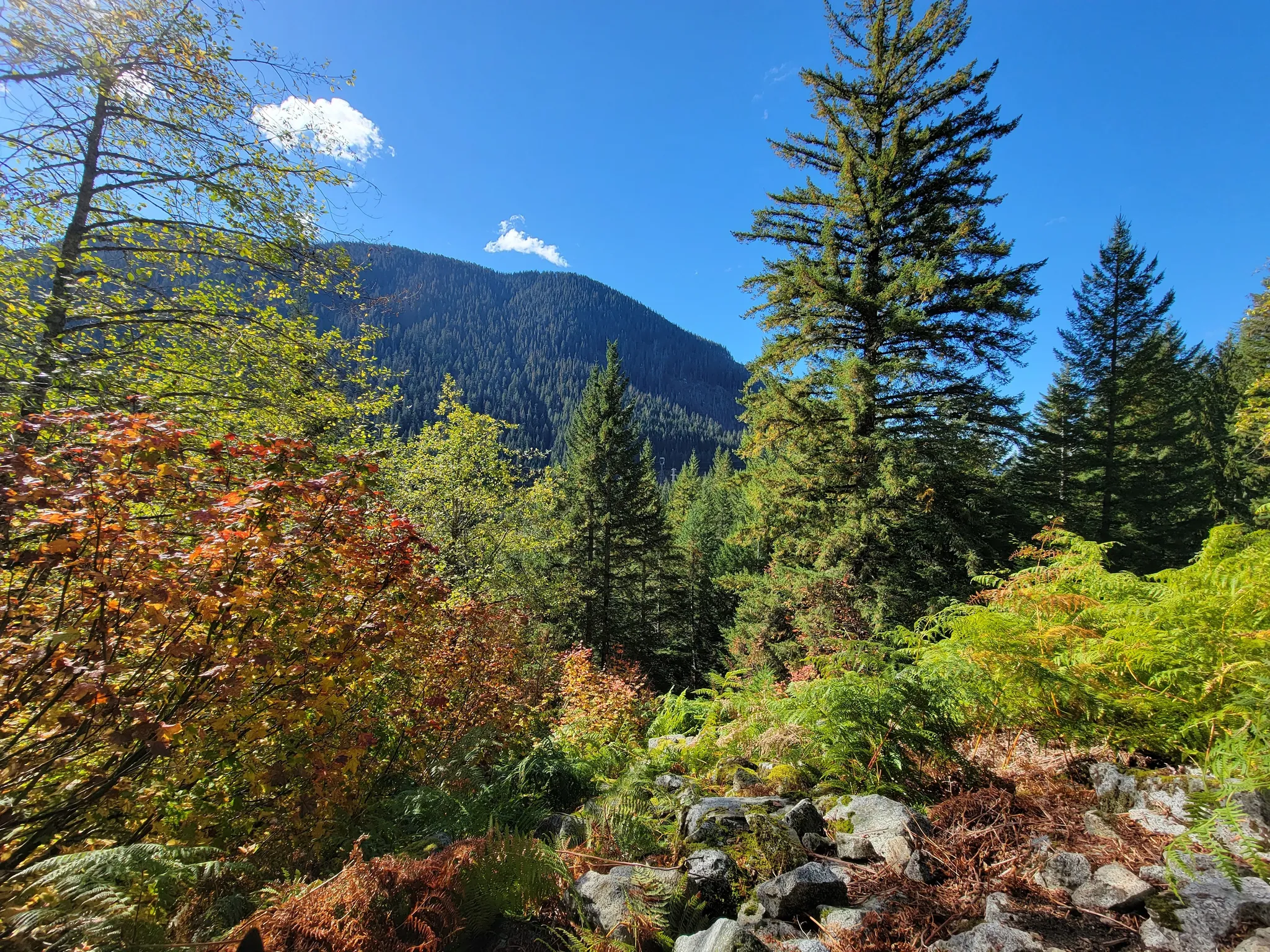
Iron Goat Trail Hiking Guide: Exploring Washington’s Scenic Railway Path
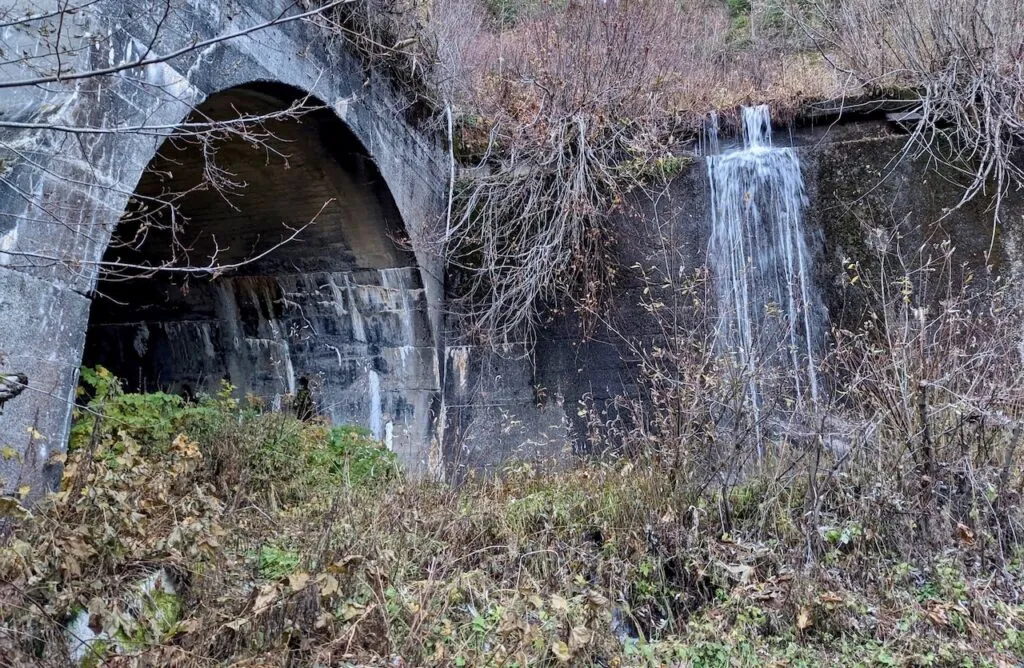
Iron Goat Trail History: Exploring the Legacy of the Great Northern Railway
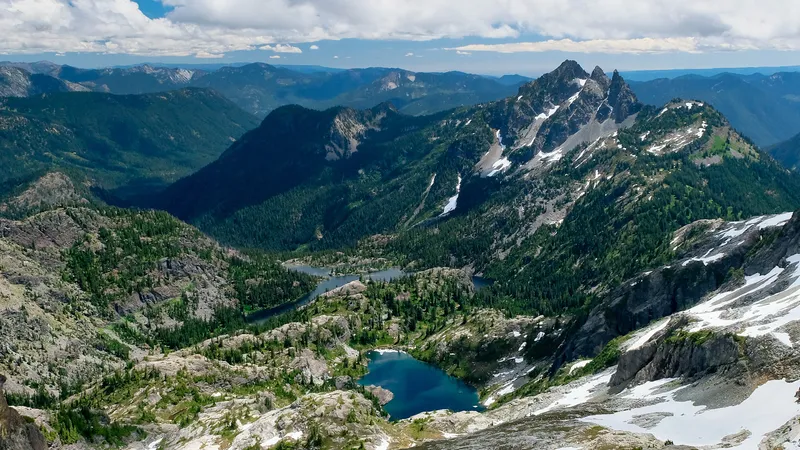
Things to Do Near Skykomish, Washington
