
Yes, cougars do live in the Cascade mountain range. The cougar, also known as mountain lion or puma, thrives throughout the Cascades in both western Oregon and Washington state. These magnificent cats are known for their strength, agility, and impressive jumping ability, making the rugged mountain terrain perfect for their hunting style.
Despite their presence, spotting a cougar in the wild is extremely rare. These solitary and secretive animals prefer to stay hidden, typically hunting at dawn or dusk when they search for deer, their favorite prey. While cougar populations remain stable and they’re neither threatened nor endangered, they face challenges from habitat loss and human intrusion.
Find available hotels and vacation homes instantly. No fees, best rates guaranteed!
Check Availability Now
Hikers exploring beautiful areas like the Iron Goat Trail in Washington might be in cougar territory, but shouldn’t worry too much about encounters. The trail winds through the western Cascades where these elusive cats roam, but they typically avoid humans. Just remember, the chance to share these majestic mountains with such powerful and graceful creatures makes every hike in the Cascades even more special.
Cougar Habitat and Distribution in the Cascade Range
Cougars thrive throughout the Cascade Range, where dense forests and varied terrain provide ideal conditions for these powerful predators to hunt and establish territories.
Physical Characteristics and Adaptations
Cougars, also known as mountain lions, are impressive creatures perfectly adapted to the Cascade ecosystem. These large cats typically weigh between 80-200 pounds, with males being significantly larger than females. Their tawny coat blends perfectly with the dappled light of forest floors, making them nearly invisible when stalking prey.
Their powerful hind legs allow them to leap up to 40 feet horizontally and 15 feet vertically – crucial adaptations for navigating the rugged terrain of the Cascades. Cougars have excellent night vision, with eyes that contain a reflective layer that improves their ability to hunt in low light.
These solitary animals maintain large territories, with males claiming up to 150 square miles in the Cascade region. They mark these territories with scratch piles and scent markers to avoid conflict with other cougars.
Diet and Prey
Cougars in the Cascade Range primarily hunt deer, which form the backbone of their diet. In the North Cascades, their winter food consists mainly of black-tailed deer and porcupines. Elk also serve as important prey, especially in areas with healthy elk populations.
These efficient predators will also hunt:
- Raccoons
- Bighorn sheep
- Small mammals
- Birds (occasionally)
A single cougar can consume up to 20-30 pounds of meat in one feeding session. After a large kill, they often cache the remains by covering them with debris, returning to feed for several days.
Female cougars with cubs tend to hunt more frequently than solitary individuals. This increased hunting activity helps meet the nutritional demands of raising young in the challenging Cascade environment.
Conservation Status and Threats
While cougars are neither threatened nor endangered overall, they face significant challenges in the Cascade Range. Habitat loss and human intrusion represent their greatest threats, with young cougars increasingly struggling to establish territories.
Urban development along the edges of the Cascades has created conflict zones where human-cougar encounters occur. In recent years, more cougars have been spotted in northwest Oregon, including Portland suburbs, highlighting this growing issue.
Hunting remains regulated throughout the range, with Oregon maintaining open seasons statewide until zone quotas are met. Wildlife management agencies carefully monitor cougar populations to maintain ecological balance.
Conservation efforts focus on preserving connected wilderness corridors. This is particularly important in areas like the Iron Goat Trail region in Washington, where hikers may share habitat with these magnificent but rarely seen predators.
Human Interaction and Safety Guidelines
Understanding how to safely coexist with cougars in the Cascades is essential for both human safety and conservation efforts. Wildlife officials have developed protocols based on years of research on cougar-human interactions.
Living with Wildlife and Preventive Measures
Residents in areas like North Bend, west Seattle, and even Vashon have reported cougar sightings as these animals occasionally venture into urban areas. To reduce the chance of unwanted encounters, homeowners should remove attractants that might draw in deer—the cougar’s primary prey.
Tips for cougar-proofing your property:
- Install motion-activated lighting around your home
- Keep pets indoors at dawn and dusk
- Secure garbage and compost bins
- Clear dense vegetation near houses where cougars could hide
- Consider installing sturdy fencing at least 10 feet high
Studies show that cougar use of residential areas changes based on population size and available prey. Wildlife agencies monitor these patterns to help communities implement effective preventive strategies.
What to Do During Cougar Encounters
If you encounter a cougar while hiking or mountain biking in the Cascades, staying calm is crucial. Most cougars avoid people and prefer to maintain their territory away from human activity.
If you encounter a cougar:
- DON’T RUN – Running may trigger a chase response
- MAKE YOURSELF LOOK BIGGER – Raise arms, open jacket wide
- MAKE LOUD NOISES – Shout firmly, clap hands, use air horns
- BACK AWAY SLOWLY – Maintain eye contact while retreating
- FIGHT BACK if attacked – Use sticks, rocks, or bear spray
Hikers on popular routes like the Iron Goat Trail should stay alert, especially at dawn or dusk when cougars are most active. Traveling in groups significantly reduces risk, as mountain lions rarely approach multiple people. Carrying bear spray provides an effective deterrent should an uncommon close encounter occur.

Find available hotels and vacation homes instantly. No fees, best rates guaranteed!
Check Availability Now
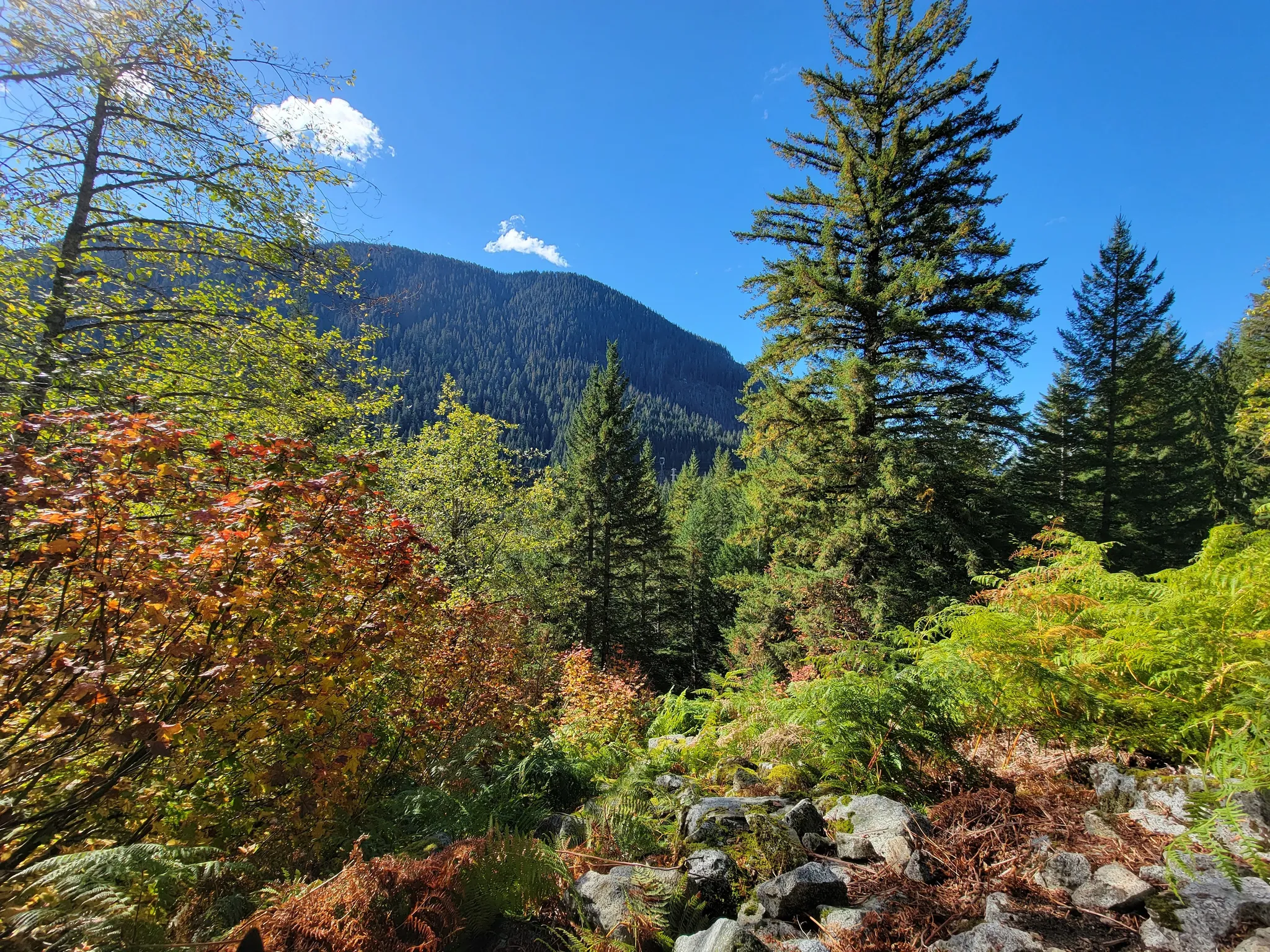
Iron Goat Trail Hiking Guide: Exploring Washington’s Scenic Railway Path
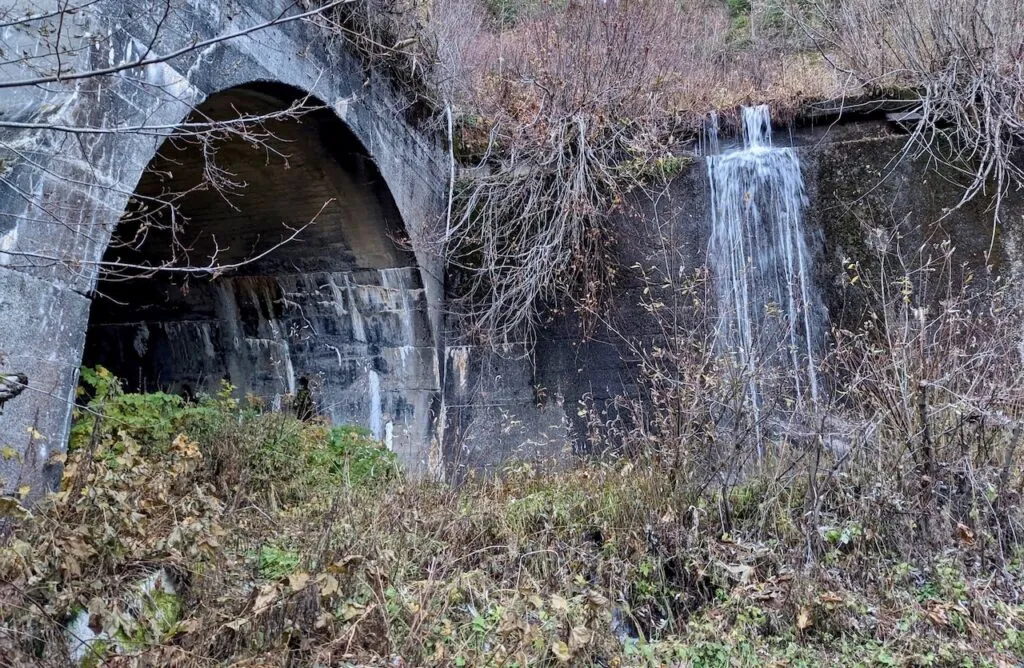
Iron Goat Trail History: Exploring the Legacy of the Great Northern Railway
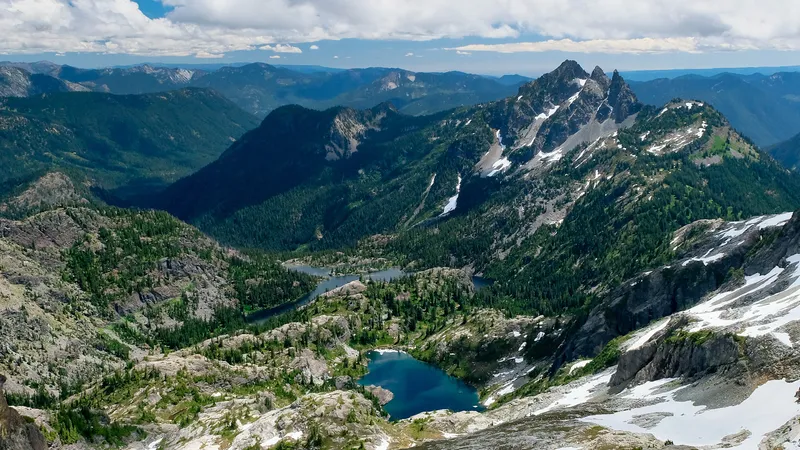
Things to Do Near Skykomish, Washington
