
Planning a trip to North Cascades National Park in Washington State can be tricky with its varied weather patterns. This stunning mountain paradise offers different experiences throughout the year, from snow-covered winter landscapes to vibrant summer meadows.
July is the best month to visit North Cascades National Park when the weather is most reliable and all park facilities are open. During this peak summer month, temperatures are comfortable, higher elevation trails are snow-free, and the alpine meadows and wildflowers create a colorful backdrop for adventures. Visitors can enjoy hiking, boating, fishing, and camping with fewer weather concerns.
Find available hotels and vacation homes instantly. No fees, best rates guaranteed!
Check Availability Now
For travelers who prefer fewer crowds, consider the shoulder months of June or September, which still offer good conditions but with more solitude on the trails. These months provide a perfect opportunity to explore the park’s natural beauty before heading to other Washington gems like the historic Iron Goat Trail, which showcases another side of the state’s magnificent mountain scenery.
Best Times to Visit for Activities and Weather
North Cascades National Park offers unique experiences throughout the year, with each season providing distinctive opportunities for outdoor enthusiasts and nature lovers.
Spring and Summer Visits
The summer months from June to September represent the ideal time to visit North Cascades National Park. During this period, temperatures range from 45°F to 70°F, creating perfect conditions for hiking and outdoor activities.
Most park roads and facilities open by late May or early June, depending on snow conditions. The famous North Cascades Highway (Highway 20) typically opens fully by mid-May, providing access to the park’s most popular areas.
July and August offer the most reliable weather with:
- Clear skies for spectacular views
- Warm days for swimming in lakes
- Peak wildflower blooms in alpine meadows
Diablo Lake shows its most vibrant turquoise colors during sunny summer days. Camping spots at Colonial Creek Campground fill quickly in summer, so reservations are highly recommended.
Autumn Adventures
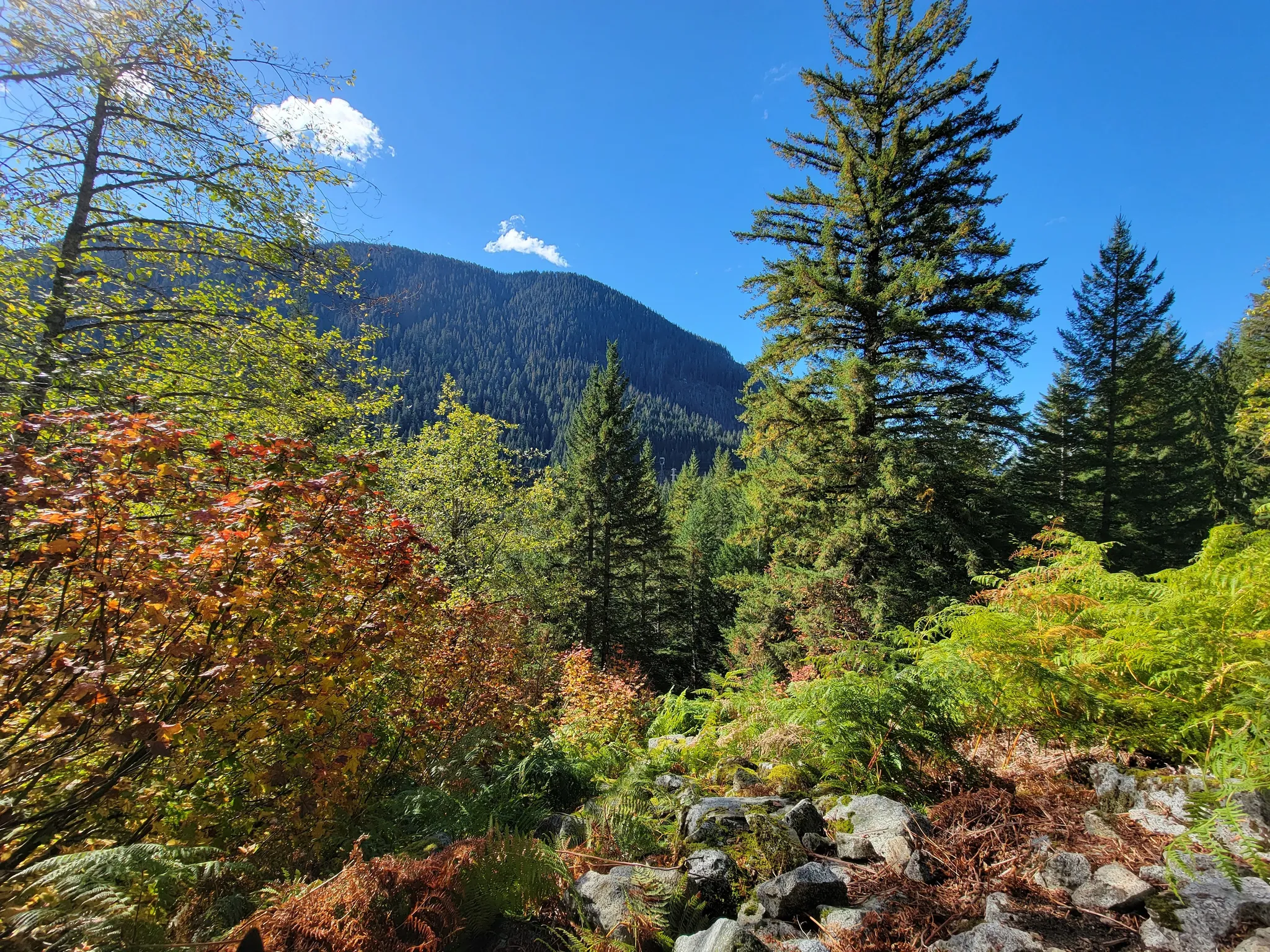
Fall brings spectacular color changes to the North Cascades, typically peaking from late September through mid-October. This shoulder season offers fewer crowds while maintaining relatively accessible conditions.
The Maple Pass Loop trail becomes especially magnificent in autumn, with golden larches and crimson huckleberry bushes creating a painter’s palette of colors. Temperatures begin cooling, with daytime highs ranging from 40-60°F, making for comfortable hiking weather.
Wildlife viewing improves in fall as animals become more active preparing for winter. Photographers find this season particularly rewarding for capturing:
- Dramatic fog in valleys
- Colorful foliage against mountain backdrops
- Crystal-clear air quality for distant views
By mid-October, visitors should prepare for potential snow at higher elevations and check road conditions frequently.
Winter Wonders
Winter transforms North Cascades into a snow-covered wonderland from November through April. The North Cascades Highway typically closes for the season by late November, limiting access to certain areas.
The park offers excellent opportunities for:
- Cross-country skiing on ungroomed trails
- Snowshoeing through pristine forests
- Winter photography of snow-draped peaks
Temperatures frequently drop below freezing, and snowfall can be substantial, especially at higher elevations. Visitors need proper winter gear and avalanche awareness training for backcountry exploration.
While challenging, winter visits reward adventurers with absolute solitude and breathtaking scenery. Those seeking similar winter experiences with easier access might consider the Iron Goat Trail near Stevens Pass, which offers beautiful snowy landscapes along a historic railway path through the Cascades.
Planning Resources and Practical Tips
Good preparation will make your North Cascades adventure more enjoyable and safer. Knowing what resources to use and understanding the park’s unique features can transform a good trip into an unforgettable experience.
Preparing Your Visit
The North Cascades National Park website offers essential information about current conditions. Before heading out, check weather forecasts as mountain conditions change rapidly.
Permits are required for overnight backpacking trips. Reserve these early, especially if planning a summer visit when demand is highest.
Pack appropriately for the season:
- Spring/Fall: Layered clothing, rain gear
- Summer: Sun protection, insect repellent
- Winter: Warm clothing, snow equipment
Accommodations near the park range from campgrounds to lodges. Book well in advance for peak season (June-September).
Consider getting travel insurance that covers outdoor activities and potential evacuations for remote hiking.
Exploring the North Cascades
The park offers stunning trails for all skill levels. Popular options include:
- Diablo Lake Trail (3.8 miles): Moderate hike with incredible turquoise lake views
- Washington Pass Overlook (0.2 miles): Easy access to breathtaking mountain vistas
- Blue Lake (4.4 miles): Beautiful alpine lake surrounded by peaks
- Cascade Pass Trail (7.4 miles): Challenging hike with spectacular mountain scenery
Wildlife viewing is excellent year-round. Bring binoculars for spotting mountain goats, black bears, and over 200 bird species.
Early autumn offers a magical combination of colorful foliage and fewer crowds. This season transforms hiking trails into golden wonderlands.
When driving through the Cascades, consider extending your adventure with a stop at the historic Iron Goat Trail near Skykomish. It offers excellent hiking through beautiful mountain terrain with fascinating railroad history.

Find available hotels and vacation homes instantly. No fees, best rates guaranteed!
Check Availability Now
Iron Goat Trail Hiking Guide: Exploring Washington’s Scenic Railway Path
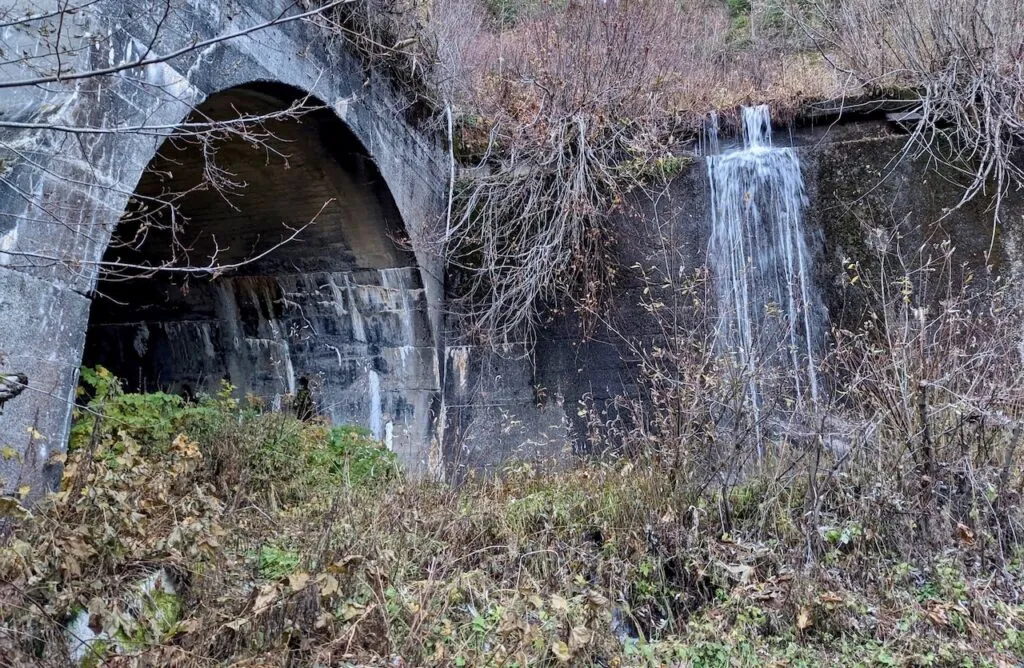
Iron Goat Trail History: Exploring the Legacy of the Great Northern Railway
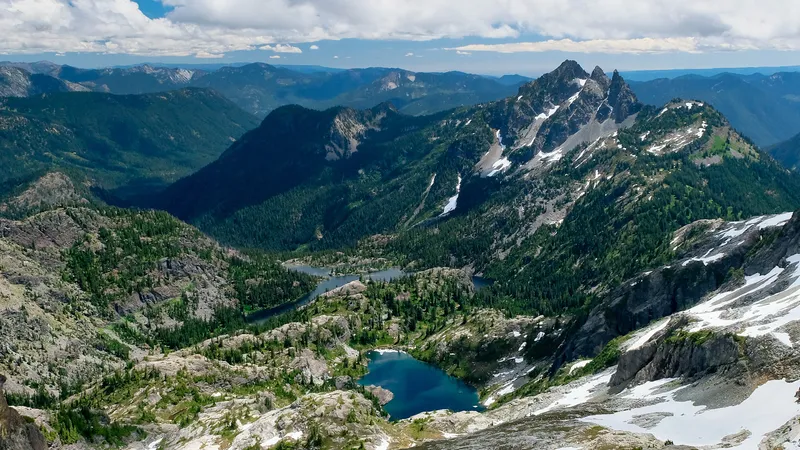
Things to Do Near Skykomish, Washington
