
The magnificent Cascade Range stretches over 700 miles from British Columbia to Northern California, offering some of the most breathtaking wilderness in North America. The Cascade Range is home to four spectacular national parks: North Cascades National Park, Mount Rainier National Park, Crater Lake National Park, and Lassen Volcanic National Park. Each park showcases unique features of this volcanic mountain range, from jagged peaks and alpine meadows to pristine lakes and dense forests.
Often called the “American Alps,” the North Cascades feature over 300 glaciers and endless opportunities for outdoor adventure. Just three hours from Seattle, visitors can explore rugged mountains, listen to cascading waterfalls, and witness diverse ecosystems adapting to our changing climate. The Pacific Northwest’s natural beauty is on full display throughout these parks, with Mount Rainier’s iconic snow-capped peak, Crater Lake’s stunning blue waters, and Lassen’s fascinating volcanic landscape.
Find available hotels and vacation homes instantly. No fees, best rates guaranteed!
Check Availability Now
For those looking to experience the Cascade Range’s beauty without the crowds, trails like the historic Iron Goat Trail in Washington provide a perfect alternative. This former railroad path offers a gentle way to enjoy the region’s lush forests and mountain views while connecting with the area’s rich history.
Prominent National Parks of the Cascade Range
The Cascade Range hosts four stunning national parks that showcase the region’s volcanic landscapes, alpine wilderness, and unique ecosystems. Each park offers visitors remarkable natural wonders with their own distinct features and recreational opportunities.
North Cascades National Park
Located in Washington state, North Cascades National Park is often called the “American Alps” due to its jagged mountain peaks and alpine scenery. The park protects over 300 glaciers – more than any other U.S. park outside Alaska.
Visitors can explore diverse ecosystems ranging from temperate rainforests to alpine meadows. The park’s centerpiece, Diablo Lake, dazzles with its turquoise waters created by glacier flour suspended in the water.
Popular hiking routes include the Cascade Pass Trail, which offers breathtaking mountain views. Wildlife enthusiasts might spot black bears, mountain goats, or even the elusive gray wolf.
Back-country camping permits allow adventurous travelers to experience true wilderness. The park connects to a vast network of wilderness areas, creating one of the largest protected ecosystems in the United States.
Mount Rainier National Park
Dominated by the 14,410-foot active volcano that gives it its name, Mount Rainier National Park stands as an iconic landmark in Washington.
The park contains stunning subalpine meadows that burst with wildflowers during summer months. These colorful displays transform the landscape into a photographer’s paradise.
Various campgrounds offer opportunities to stay overnight, though they fill quickly during peak season. The park maintains excellent facilities for visitors of all abilities.
Wildlife sightings might include black-tailed deer, marmots, and various bird species. Mount Rainier itself is considered one of the most dangerous volcanoes in the continental U.S. due to its size and glacier coverage.
Hiking trails range from easy meadow walks to challenging summit attempts that require technical climbing skills and permits.
Crater Lake National Park
Oregon’s only national park, Crater Lake National Park features the deepest lake in the United States. The intensely blue water fills a caldera created when Mount Mazama erupted nearly 7,700 years ago.
The 33-mile Rim Drive encircles the lake, offering numerous viewpoints. For closer lake access, visitors can hike the Cleetwood Cove Trail – the only safe path to the water’s edge.
Scenic hikes include the Sun Notch Trail and The Watchman Peak Trail, both providing spectacular views. The Discovery Point Trail follows the historic route where gold prospector John Hillman first glimpsed the lake in 1853.
During winter, the park transforms into a snowy wonderland popular with cross-country skiers and snowshoers. Summer visitors can enjoy boat tours or even swim in the remarkably clear but chilly waters.
Lassen Volcanic National Park
In Northern California, Lassen Volcanic National Park showcases the southern end of the Cascade Range. The park features all four types of volcanoes: shield, composite, cinder cone, and plug dome.
Lassen Peak, a large plug dome volcano, last erupted between 1914 and 1917. Today, visitors can hike to its summit on a strenuous but rewarding trail.
The Bumpass Hell Trail leads to the park’s largest hydrothermal area, where visitors can see boiling mud pots and steam vents. The Cinder Cone Nature Trail takes hikers to a perfectly formed cinder cone volcano with dramatic views.
The park offers excellent fishing opportunities in its many lakes and streams. Several campgrounds provide comfortable bases for exploration.
Natural and Recreational Highlights
The Cascade Range national parks offer breathtaking landscapes with diverse ecosystems and countless opportunities for outdoor enthusiasts. These protected areas showcase some of the most spectacular mountain scenery in North America.
Wildlife and Flora
The Cascade Range parks boast incredible biodiversity with dense forests dominated by Western Red Cedars, Hemlocks, and Douglas Firs. These ancient trees create a lush canopy that shelters a variety of wildlife.
Visitors might spot elusive Mountain Lions and Bobcats during quiet moments on the trails. Black Bears are relatively common, especially in areas with berry patches during summer months.
The high-alpine zones are home to Mountain Goats that navigate steep cliff faces with remarkable ease. These white, shaggy animals are perfectly adapted to the harsh mountain environment.
Birdwatchers will appreciate the diverse avian species that inhabit different elevations throughout the parks. From eagles soaring above valleys to colorful songbirds in meadows, the Cascade Range offers excellent wildlife viewing opportunities.
Trails and Hiking Opportunities
The national parks across the Cascade Range feature an extensive network of hiking trails suitable for all experience levels. The world-famous Pacific Crest Trail passes through these mountains, attracting thru-hikers from around the globe.
Popular day hikes include the Cascade Pass Trail (6.52 miles) for moderate hikers and the more strenuous Cascade Pass and Sahale Arm Trail (12.12 miles) for experienced adventurers. For those seeking challenging terrain, the trail to Piece Mountain Camp offers rewarding views.
The Iron Goat Trail near Stevens Pass combines natural beauty with fascinating railway history. Hikers can enjoy lush forests while exploring remnants of historic railroad infrastructure.
Many parks also offer back-country camping options for those wanting a more immersive wilderness experience. Always check permit requirements, as regulations vary between parks.
Winter transforms these landscapes into snowy wonderlands perfect for skiing and snowshoeing, with Mount Baker receiving some of the highest snowfall amounts in North America.

Find available hotels and vacation homes instantly. No fees, best rates guaranteed!
Check Availability Now
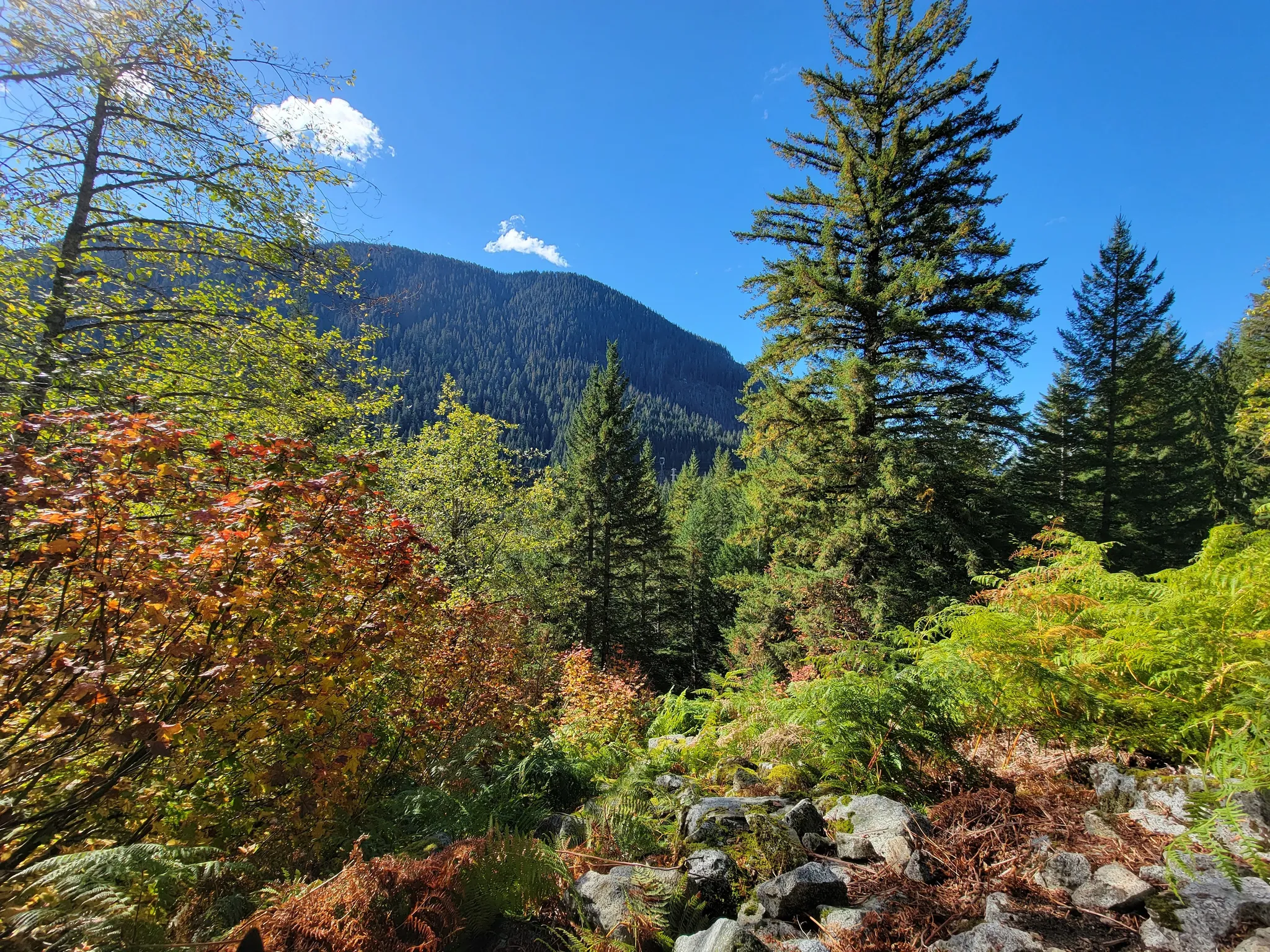
Iron Goat Trail Hiking Guide: Exploring Washington’s Scenic Railway Path
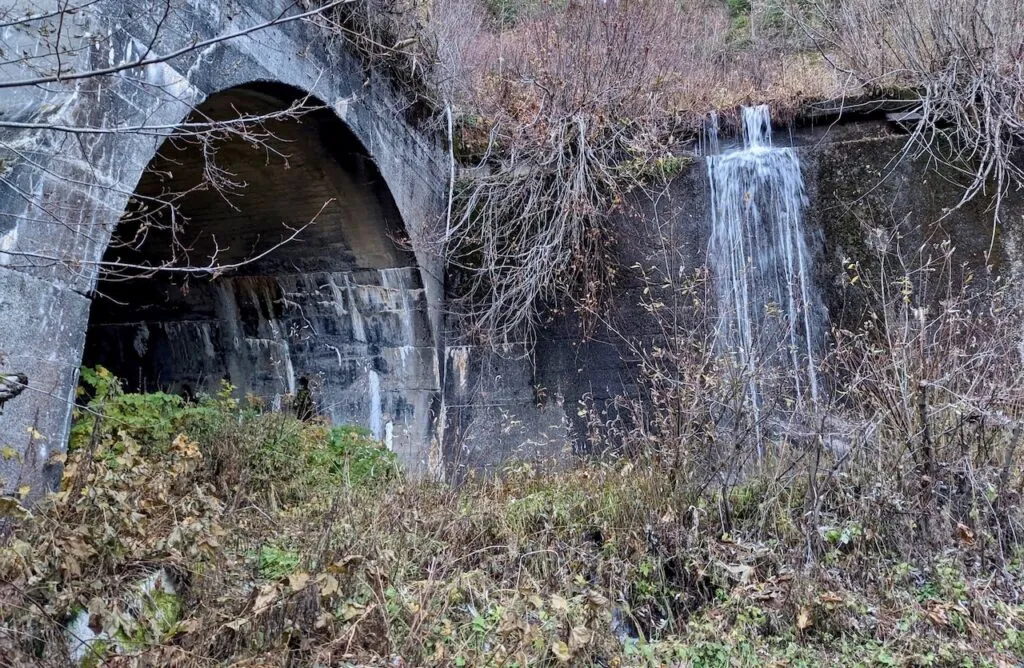
Iron Goat Trail History: Exploring the Legacy of the Great Northern Railway
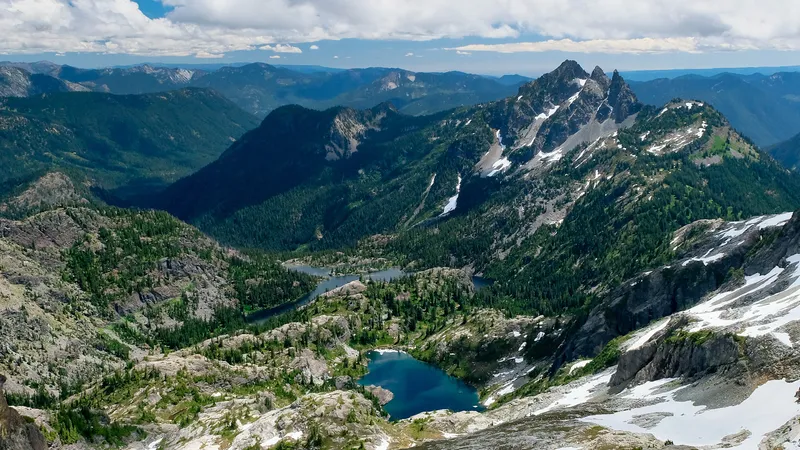
Things to Do Near Skykomish, Washington
