
Standing majestically in the Oregon landscape, Mount Hood is a sight that captures the imagination of locals and visitors alike. The snow-capped peak isn’t just beautiful – it’s an important part of the Pacific Northwest’s natural history. Mount Hood is indeed an active volcano in the Cascade Range, though it hasn’t had a major eruption in over 200 years.
Many people gaze at this iconic mountain from Portland without realizing they’re looking at volcanic power. Mount Hood’s activity continues today with occasional steam vents and small earthquakes that scientists monitor carefully. While dramatic eruptions aren’t expected soon, geologists classify it as active because it has shown eruptive behavior in relatively recent geological time.
Find available hotels and vacation homes instantly. No fees, best rates guaranteed!
Check Availability Now
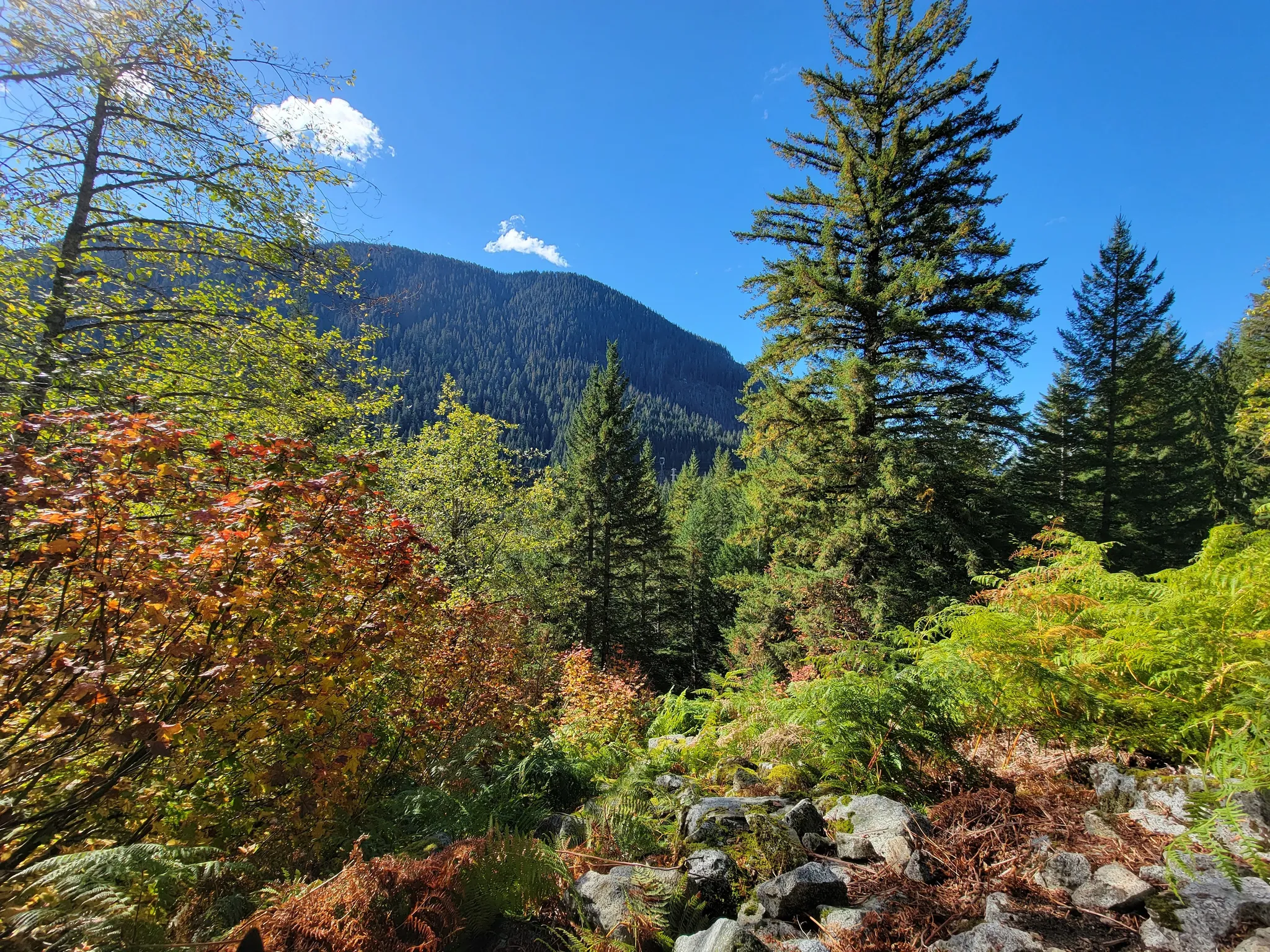
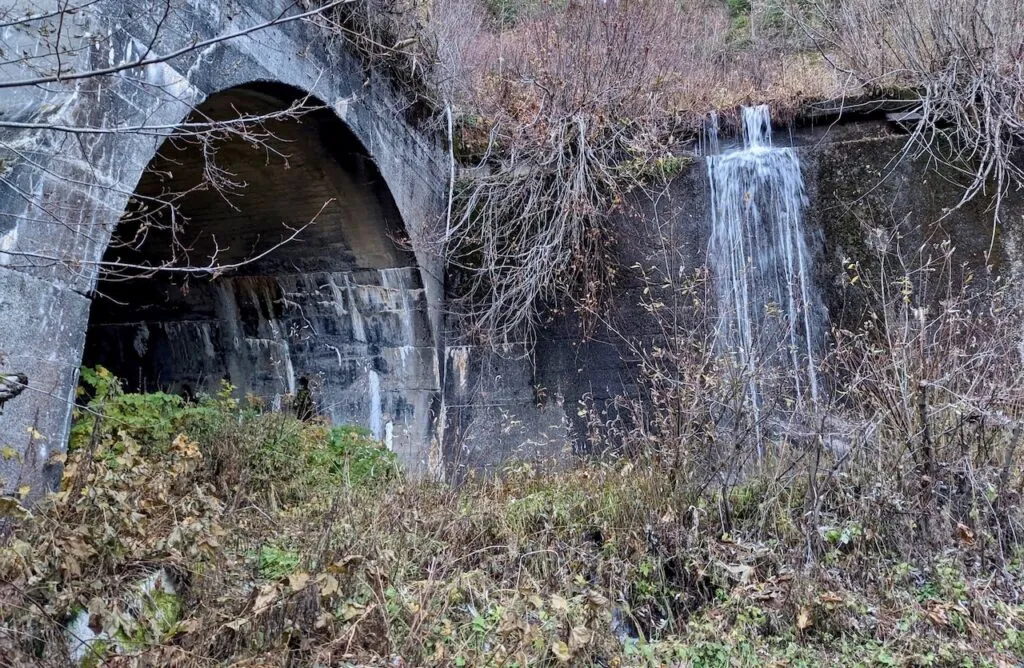
Exploring the areas around Mount Hood offers stunning views and outdoor adventures similar to other volcanic landscapes in the Pacific Northwest. Hikers often compare the trails here to other famous paths in the region, including the beautiful Iron Goat Trail in Washington, which winds through another part of the magnificent Cascade Range.
Geology and Eruptive History
Mount Hood stands as Oregon’s tallest peak and remains an active volcano with a complex geological past. Its formation and eruption patterns reveal much about the volcanic processes that have shaped the Pacific Northwest landscape over hundreds of thousands of years.
Formation of Mount Hood
Mount Hood is a stratovolcano that has been active for at least 500,000 years. The mountain belongs to the Cascade volcanic arc, a chain of volcanoes extending from British Columbia to Northern California.
Geologic evidence shows that volcanic activity at Mount Hood’s location dates back more than one million years. Before the current mountain formed, several “ancestral Hood-like volcanoes” existed in roughly the same spot over the past 1.5 million years.
The volcano built its massive cone through repeated eruptions during the Pleistocene epoch. These eruptions deposited layers of lava flows, volcanic ash, and other materials that gradually formed the mountain we see today.
Mount Hood’s composition is primarily andesite and dacite, volcanic rocks typical of stratovolcanoes in subduction zones.
Historic Eruptions and Recent Activity
Mount Hood’s eruptive activity during the past 30,000 years has been dominated by the growth and collapse of lava domes near the summit. When these domes collapse, they create pyroclastic flows—fast-moving currents of hot gas and volcanic matter.
A significant eruption occurred about 1,500 years ago. This event produced lahars (volcanic mudflows) that spread out over the delta at the mouth of the Sandy River and actually pushed the Columbia River northward.
The most recent eruption series happened in the 1790s, shortly before Lewis and Clark’s expedition. This activity created the Crater Rock lava dome that remains visible today.
The U.S. Geological Survey and Cascades Volcano Observatory classify Mount Hood as potentially active. Small earthquake swarms and fumaroles (openings that emit volcanic gases) indicate ongoing volcanic processes beneath the mountain.
Volcanic Features and Landscape
Mount Hood’s current landscape showcases many fascinating volcanic features. The prominent Crater Rock is a lava dome near the summit that formed during the most recent eruptions.
Past eruptions have created distinctive tephra deposits—layers of volcanic ash and fragments—that help geologists date the mountain’s eruptive history. These deposits can be seen in exposed cliff faces around the volcano.
Lahars have carved valleys and deposited sediment far from the mountain. One massive debris avalanche occurred about 100,000 years ago, creating a lahar ten times larger than any recent event.
The mountain features several glaciers that have been slowly retreating in recent decades. These glaciers can increase hazards during eruptions by providing water that mixes with volcanic material to create lahars.
Thermal areas near the summit emit volcanic gases and heat, reminding visitors of the active forces still at work beneath this majestic peak, much like the volcanic landscapes visible from parts of the Iron Goat Trail in Washington.
Mount Hood’s Place in the Region
Mount Hood stands as a defining landmark in Oregon, shaping the environment, culture, and recreational opportunities of the entire region. Its commanding presence dominates the skyline and influences life throughout the Pacific Northwest.
Environment and Ecology
Mount Hood creates its own ecological zones that change with elevation. The lower slopes feature dense Douglas fir forests, while higher elevations transition to alpine meadows and barren rocky terrain near the 11,239-foot summit.
The mountain hosts 12 named glaciers that feed important waterways including the Sandy River and Columbia River. These glaciers have been shrinking due to climate change, affecting downstream ecosystems and water supplies.
Wildlife thrives in the diverse habitats of Mount Hood National Forest, which surrounds the peak. Black bears, elk, and numerous bird species make their homes here.
The volcanic soil nurtures unique plant communities that have adapted to harsh alpine conditions. Wildflower displays in summer meadows attract pollinators and create spectacular seasonal views.
Cultural and Historical Significance
Mount Hood holds deep meaning for Indigenous peoples, particularly the Confederated Tribes of Warm Springs, who know it as Wy’east. Their oral traditions connect the mountain to creation stories and cultural identity.
European explorers first documented the peak during the Lewis and Clark expedition. The mountain was later named after British admiral Samuel Hood by Lieutenant William Broughton in 1792.
Timberline Lodge, built during the Great Depression as a WPA project, stands as an architectural masterpiece at 6,000 feet. President Roosevelt dedicated this National Historic Landmark in 1937.
The mountain has influenced art and literature of the region for centuries. Its iconic silhouette appears in countless paintings, photographs, and regional logos, becoming a symbol of Oregon itself.
Outdoor Recreation and Tourism
Mount Hood offers year-round recreation that draws visitors from around the world. Winter brings skiers and snowboarders to popular resorts like Mount Hood Meadows, Timberline, and Ski Bowl, which boast impressive skiable terrain.
Summer transforms the mountain into a hiking paradise with hundreds of miles of trails. The Timberline National Historic Trail circles the mountain, offering spectacular views of nearby Cascade peaks like Mount Adams and Mount St. Helens.
Climbing to the summit remains a challenging goal for mountaineers. Several routes of varying difficulty lead to the top, though the mountain has seen its share of climbing accidents due to rapidly changing weather conditions.
The communities surrounding Mount Hood—like Government Camp—have developed to support tourism while maintaining their mountain character. These towns provide services for the millions of visitors who explore the mountain annually.

Find available hotels and vacation homes instantly. No fees, best rates guaranteed!
Check Availability Now
Iron Goat Trail Hiking Guide: Exploring Washington’s Scenic Railway Path
Iron Goat Trail History: Exploring the Legacy of the Great Northern Railway
Things to Do Near Skykomish, Washington
