
Volcanoes are some of nature’s most awe-inspiring features, and many people are surprised to learn just how many exist across the United States. These geological wonders not only shape our landscapes but also provide scientists with valuable insights into Earth’s inner workings.
Alaska leads all U.S. states with 141 active volcanoes, making it home to the vast majority of America’s approximately 170 active volcanic sites. California follows in second place with 18 active volcanoes, while Oregon ranks third with 17. Washington state, known for the catastrophic Mount St. Helens eruption in 1980 that claimed 57 lives, has 7 active volcanoes of its own.
Find available hotels and vacation homes instantly. No fees, best rates guaranteed!
Check Availability Now
For travelers interested in experiencing volcanic landscapes, each state offers unique opportunities. Hawaii’s volcanoes create mesmerizing lava flows, while Washington’s volcanic mountains provide stunning hiking trails. Speaking of Washington, visitors to the state can explore the beautiful Iron Goat Trail near Stevens Pass, which offers breathtaking views of the Cascade Range where several of these magnificent volcanoes stand sentinel over the Pacific Northwest.
United States Regions with High Volcanic Activity
The United States contains roughly 200 active volcanoes spread across multiple states, with certain regions having significantly higher concentrations than others. These volcanic zones have shaped the American landscape and continue to influence both geology and human activity today.
Alaska’s Abundant Volcanoes
Alaska holds the title as the state with the most volcanoes in the US, with approximately 141 active volcanoes. Of these, 54 have erupted within the last 300 years, making them historically active.
Alaska’s volcanic abundance stems from its position along the “Ring of Fire,” a region of intense seismic and volcanic activity encircling the Pacific Ocean. Most of Alaska’s volcanoes are located in the Aleutian Arc, where the Pacific Plate subducts beneath the North American Plate.
The Alaska Volcano Observatory monitors these volcanoes closely. Notable examples include:
- Mount Augustine: Known for explosive eruptions
- Mount Cleveland: One of the most active in the Aleutian Arc
- Bogoslof Island: Created by submarine volcanic activity
- Kasatochi Island: Had a significant eruption in 2008
- Great Sitkin: Periodically produces volcanic ash clouds
These volcanoes pose challenges for air traffic in the region when they erupt and send ash clouds into the atmosphere.
Pacific Northwest and Volcanic Presence
The Pacific Northwest boasts an impressive concentration of volcanoes, with Washington having 7 active volcanoes, Oregon 17, and California 18. These form part of the Cascade Volcanic Arc, created by the subduction of the Juan de Fuca Plate.
Mount St. Helens in Washington is perhaps the most famous, with its catastrophic 1980 eruption that caused widespread devastation. Today, it remains closely monitored for signs of renewed activity.
Oregon features Crater Lake, formed in the caldera of an ancient volcano called Mount Mazama. The Three Sisters and Mount Hood are other significant volcanic features in the state.
California’s volcanic landscape includes Mount Shasta and the Lassen Volcanic Center. The latter hosted the most recent volcanic eruption in the continental United States, occurring from 1914 to 1917.
Hikers exploring these regions can witness firsthand the dramatic landscapes shaped by volcanic forces.
Hawaii and the Shield Volcanoes
Hawaii, though having fewer volcanoes than Alaska, is home to five active volcanoes that are among the most active on Earth. The entire Hawaiian archipelago was actually formed through volcanic activity.
Kīlauea stands out as exceptionally active, erupting continuously from 1983 until 2018, with new eruptions beginning again in December 2020. Its relatively gentle eruptions primarily produce flowing lava rather than explosive events.
Mauna Loa, the largest active volcano on the planet, features a classic shield volcano shape created by fluid lava flows. When measured from its base on the ocean floor, it rises over 30,000 feet, exceeding even Mount Everest in total height.
Other active Hawaiian volcanoes include:
- Haleakalā on Maui
- Hualalai on the Big Island
- Lōʻihi, an underwater volcano that may eventually form a new Hawaiian island
Unlike the explosive volcanoes along the Ring of Fire, Hawaiian volcanoes typically feature more predictable eruptions that draw thousands of tourists annually.

Find available hotels and vacation homes instantly. No fees, best rates guaranteed!
Check Availability Now
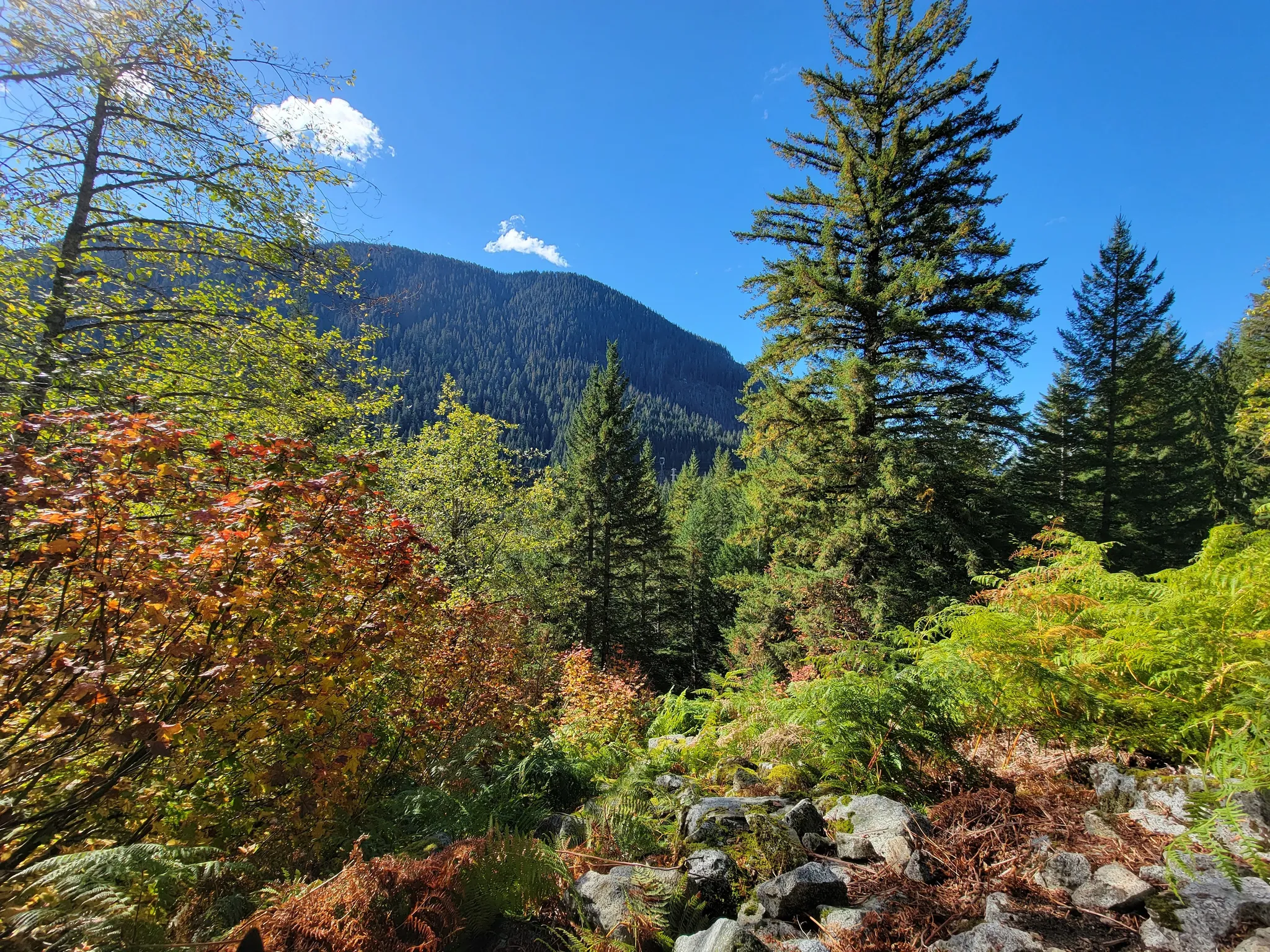
Iron Goat Trail Hiking Guide: Exploring Washington’s Scenic Railway Path
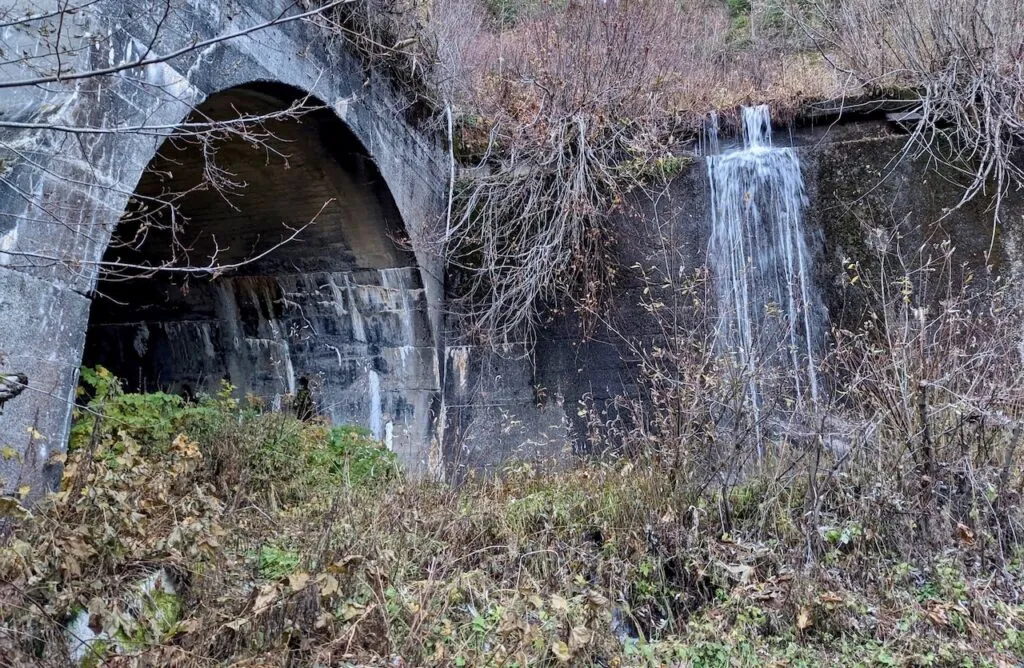
Iron Goat Trail History: Exploring the Legacy of the Great Northern Railway
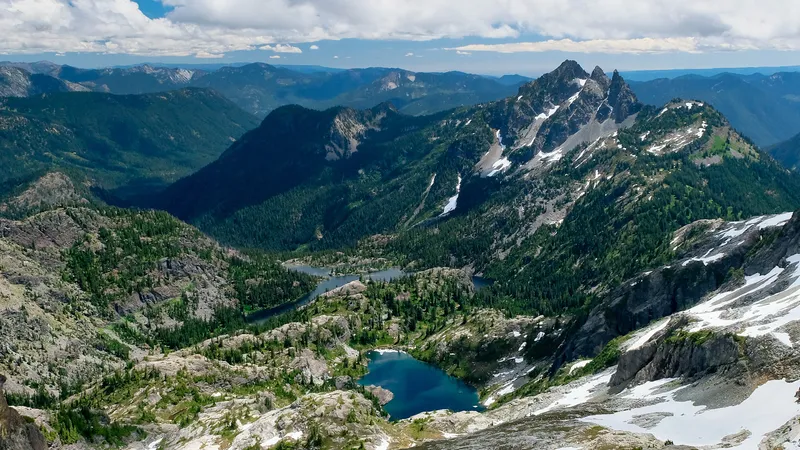
Things to Do Near Skykomish, Washington
