
The majestic Cascade Mountains run like a spine through the Pacific Northwest, creating not just a physical divide but a cultural one as well. That’s why locals often refer to this mountain range as the “Cascade Curtain.” The term “Cascade Curtain” represents the different interests and lifestyles of those living on each side of the range, with western Washington being more urban and rainy while eastern Washington remains rural and dry.
This natural barrier dramatically affects rainfall patterns across Washington state. The western slopes catch moisture from the Pacific Ocean, creating lush, green landscapes that receive up to 100 inches of rain annually. East of the mountains, the landscape transforms into drier terrain with as little as 8 inches of yearly rainfall. This climate difference has shaped everything from agriculture to population distribution, with denser communities clustered on the western side.
Find available hotels and vacation homes instantly. No fees, best rates guaranteed!
Check Availability Now
Travelers exploring these mountains can experience this contrast firsthand. Hiking trails like the historic Iron Goat Trail offer visitors a chance to witness the Cascade Curtain effect in action. As you traverse the path once used by the Great Northern Railway, you’ll notice how quickly the environment changes from the misty western forests to the sunnier eastern slopes – a perfect representation of why this mountain range deserves its theatrical nickname.
Geological and Environmental Significance
The Cascade Range has shaped both the physical landscape and environmental conditions of the Pacific Northwest through powerful geological forces and climate impacts.
Formation of the Cascades
The Cascade Range formed primarily through volcanic activity as the Juan de Fuca tectonic plate subducts beneath the North American plate. This ongoing process created the dramatic mountain chain that stretches from northern California through Oregon and Washington into British Columbia.
These mountains include famous volcanic peaks like Mount St. Helens, which erupted catastrophically in 1980, and Mount Rainier, the highest peak in the range at 14,411 feet.
The relatively young range (geologically speaking) continues to change through volcanic activity, erosion, and glaciation. Many peaks have active or dormant volcanoes beneath them, including Mount Baker, Mount Hood, Mount Adams, and Lassen Peak.
Dramatic glacial valleys and ridges mark the landscape, carved by the movement of ice during past ice ages.
Rain Shadow Effect
The Cascade Range creates a significant meteorological phenomenon called the rain shadow effect. As moist air from the Pacific Ocean moves eastward, it’s forced upward by the mountains.
The western slopes receive abundant rainfall—often 80-150 inches annually—creating lush, green forests and watersheds. This makes western Washington and Oregon notably rainy and verdant.
East of the mountains, precipitation drops dramatically to as little as 8-10 inches per year in some areas. This stark contrast creates much drier, desert-like conditions.
This rain shadow is why the term “Cascade Curtain” emerged—the mountains literally divide the region into two distinct climate zones. The effect influences everything from agriculture to lifestyle on either side of the range.
Diverse Ecosystems and National Parks
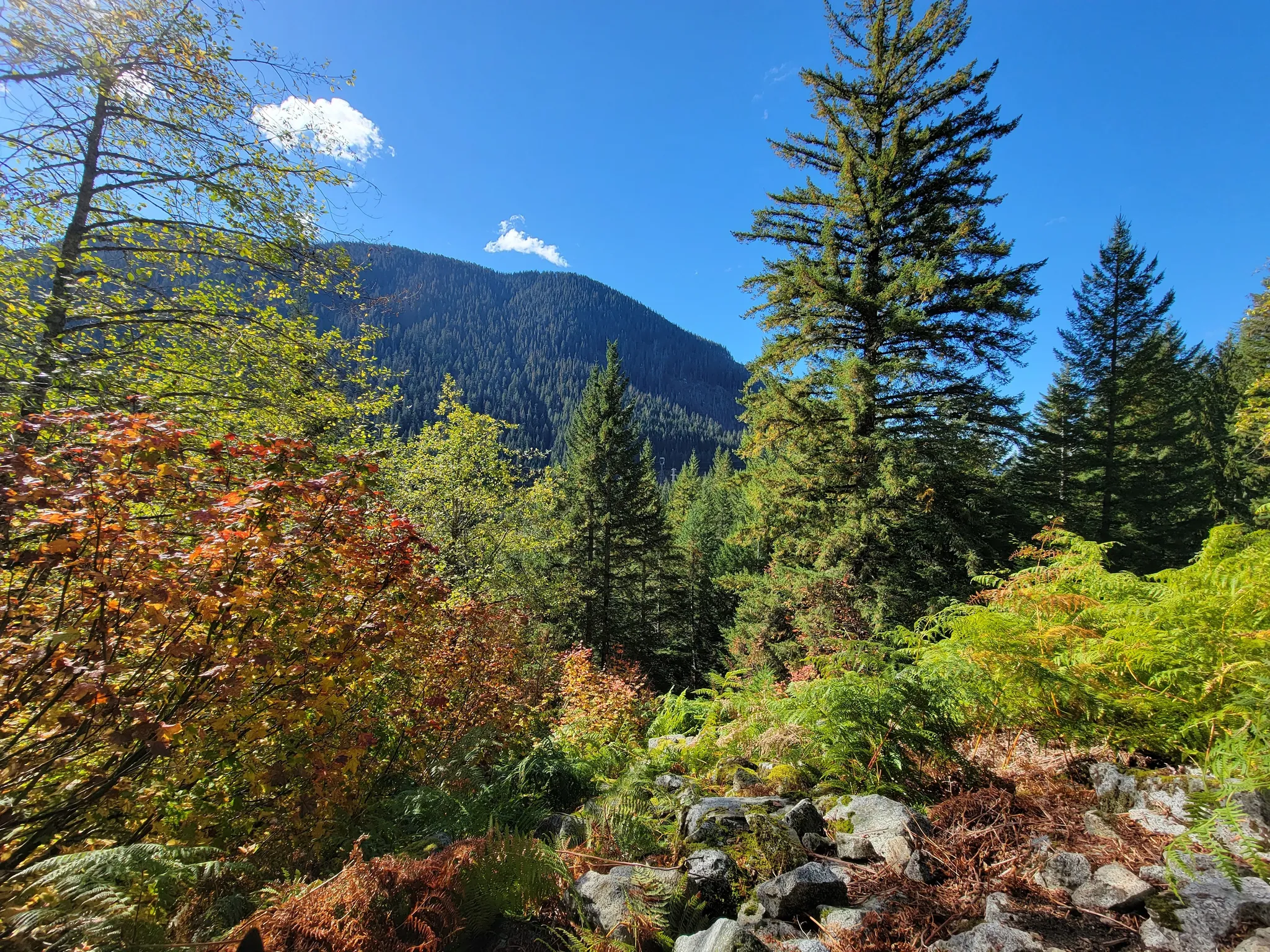
The varying elevations and rainfall patterns have created remarkably diverse ecosystems throughout the Cascades. The western slopes host temperate rainforests with towering Douglas firs, western hemlocks, and red cedars.
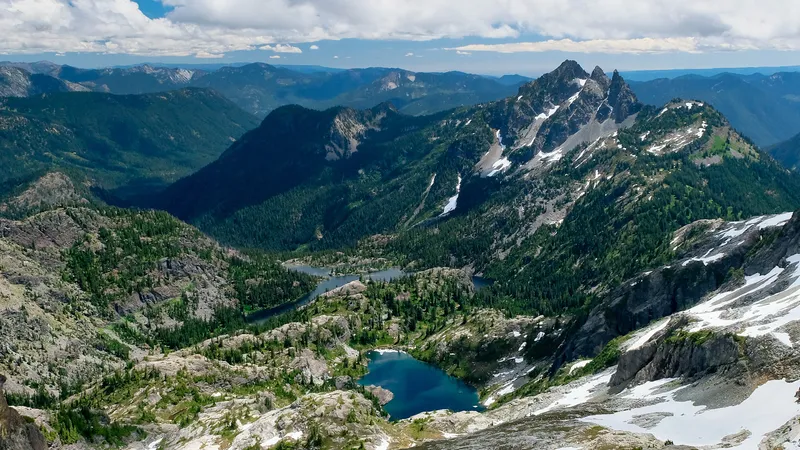
Alpine meadows burst with wildflowers during brief summer months. These meadows provide important habitats for mountain goats, marmots, and numerous bird species.
Mount Rainier National Park protects over 236,000 acres of wilderness, showcasing the range’s ecological diversity from lowland forests to alpine zones. The park contains over 25 glaciers that feed six major rivers.
Higher elevations feature hardy subalpine trees that transition to treeless alpine zones. Eastern slopes host drier forests dominated by ponderosa pines and wildlife adapted to less rainfall.
The hiking trails throughout the range, including the historic Iron Goat Trail, allow visitors to experience these diverse ecosystems while connecting with both natural beauty and human history in the magnificent Cascade Mountains.
Sociocultural and Economic Impact
The Cascade Mountains have created distinct differences between eastern and western Washington, shaping settlement patterns, economic development, and cultural identities on both sides of this natural barrier.
Agricultural Divide
Eastern Washington’s drier climate has made it ideal for growing wheat, apples, and other hardy crops. The region produces about 60% of all apples grown in the United States. Farming communities east of the Cascade Curtain tend to be more rural and conservative.
Western Washington, with its rainier climate, developed different agricultural strengths. The wetter conditions support dairy farms, berries, and nursery plants. This region’s proximity to the Pacific Ocean also fostered fishing and seafood industries.
The Columbia River, flowing through the Cascades, serves as both a dividing line and connecting feature. Its waters provide crucial irrigation for eastern Washington’s farms through a network of dams and canals built during the mid-20th century.
Historical Exploration and Settlement
The Lewis and Clark Expedition traveled through the region in 1805-1806, documenting the challenging terrain of the Cascades. They noted the dramatic difference in landscapes on either side of the mountains.
David Douglas, the Scottish botanist, explored the range in the 1820s, cataloging the distinct plant species found on each side. The mountains significantly slowed westward expansion until the discovery of easier mountain passes.
The Oregon Trail brought settlers who had to make difficult choices about where to establish homes. Many chose western Washington for its milder climate and access to shipping routes, while others preferred eastern Washington’s open farmland.
The Cascades of the Columbia created a major obstacle for early travelers. Some pioneers went by boat around the difficult portage areas. The mountains created isolated communities that developed different traditions and identities.
Modern-Day Industries and Development
Seattle and the western Washington urban centers became home to technology, aerospace, and international trade. Boeing established its manufacturing facilities west of the mountains due to access to shipping routes and skilled workers from the University of Washington.
Eastern Washington embraced different economic paths. Agriculture remains dominant, but the region has diversified with renewable energy projects, wine production, and tourism. Communities like Spokane have developed their own urban identities distinct from coastal cities.
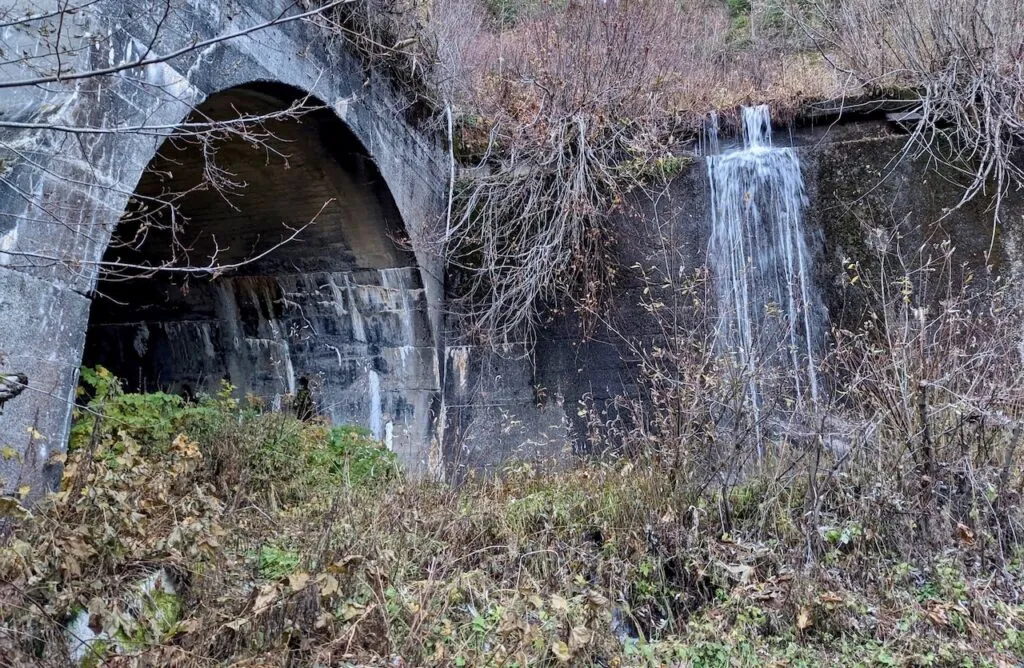
The Iron Goat Trail represents how transportation infrastructure eventually connected these divided regions, though the cultural divide remains. This historic railway route through the Cascades once served as a vital link between Washington’s eastern and western economies.
The digital age has reduced some barriers created by the mountains, yet the “Cascade Curtain” continues to symbolize differing lifestyles and values. Tourism across the divide has grown as people from both sides explore the natural beauty and cultural heritage that makes each region unique.

Find available hotels and vacation homes instantly. No fees, best rates guaranteed!
Check Availability Now
Iron Goat Trail Hiking Guide: Exploring Washington’s Scenic Railway Path
Iron Goat Trail History: Exploring the Legacy of the Great Northern Railway
Things to Do Near Skykomish, Washington
