
Mount Rainier stands majestically over Washington State as one of the most iconic landmarks in the Pacific Northwest. Many visitors to Mount Rainier National Park wonder about the volcanic status of this impressive peak. Mount Rainier is an active volcano that is currently at rest between eruptions, not a dormant one as some might believe.
This stunning mountain hasn’t experienced a significant eruption in over 500 years, but scientists closely monitor it due to its potential danger. As the highest peak in the Cascade Range, Mount Rainier is covered with 25 glaciers and contains more snow and ice than all other Cascade volcanoes combined. Its last recorded eruption occurred in 1894-95, when observers in Seattle and Tacoma reported small summit explosions.
Find available hotels and vacation homes instantly. No fees, best rates guaranteed!
Check Availability Now
Visitors exploring the trails around Mount Rainier often feel a special connection to the geological history beneath their feet. The mountain’s volcanic nature has shaped the surrounding landscape into a wonderland of meadows, forests, and rugged terrain. Hiking enthusiasts exploring the region might also enjoy the historic Iron Goat Trail, which offers another perspective on Washington’s breathtaking natural beauty with views of the Cascades.
Mount Rainier’s Volcanic Status
Mount Rainier is classified as an active volcano, though it hasn’t had a major eruption in centuries. Its current status requires careful monitoring due to potential hazards to nearby communities.
Understanding Volcanic Activity
Volcanoes like Mount Rainier are categorized as active, dormant, or extinct based on their eruption history and current activity. Mount Rainier is considered active despite not producing a significant eruption in the past 500 years.
What makes a volcano “active” isn’t just eruptions. Mount Rainier shows signs of activity through:
- Frequent earthquakes
- An active hydrothermal system
- Ongoing thermal activity beneath the summit
The USGS Cascades Volcano Observatory monitors these signs closely. They’ve discovered that magma deep under the volcano drives a thermal system that has melted out steam caves beneath the summit icecap.
Mount Rainier’s massive glacial cover makes it especially dangerous. These glaciers contain more ice and snow than all other Cascade volcanoes combined!
Historical Eruptions
Mount Rainier has a long history of volcanic activity spanning thousands of years. However, it hasn’t had a significant eruption in the past 1,000 years.
Small eruptions have occurred more recently:
- Minor eruptive periods in the 1840s
- Small steam explosions in the late 19th century
- Modest ash emissions in the early 1900s
These historical patterns help scientists understand what future eruptions might look like. Unlike the explosive 1980 eruption of Mount St. Helens, Mount Rainier’s eruptions tend to be less dramatic but still dangerous.
The volcano’s slopes show evidence of past lahars – massive mudflows of volcanic material. These devastating flows can travel far from the mountain, threatening communities in valleys below.
Current Observations and Data
Scientists constantly monitor Mount Rainier using sophisticated equipment to detect changes that might signal an awakening. Seismic monitoring networks record hundreds of small earthquakes annually beneath the mountain.
The USGS closely watches for signs of increased volcanic activity. Unlike explosive eruptions, Mount Rainier’s main threat comes from lahars caused by its extensive glacier cover rather than the eruption itself.
Current data shows normal background activity. However, scientists remain vigilant since volcanoes can become restless quickly. GPS instruments track tiny ground movements that might indicate magma movement.
Visitors to nearby attractions like the Iron Goat Trail can enjoy the mountain’s majesty while appreciating the careful monitoring that keeps them safe. The trail offers stunning views of this sleeping giant that scientists watch day and night.

Find available hotels and vacation homes instantly. No fees, best rates guaranteed!
Check Availability Now
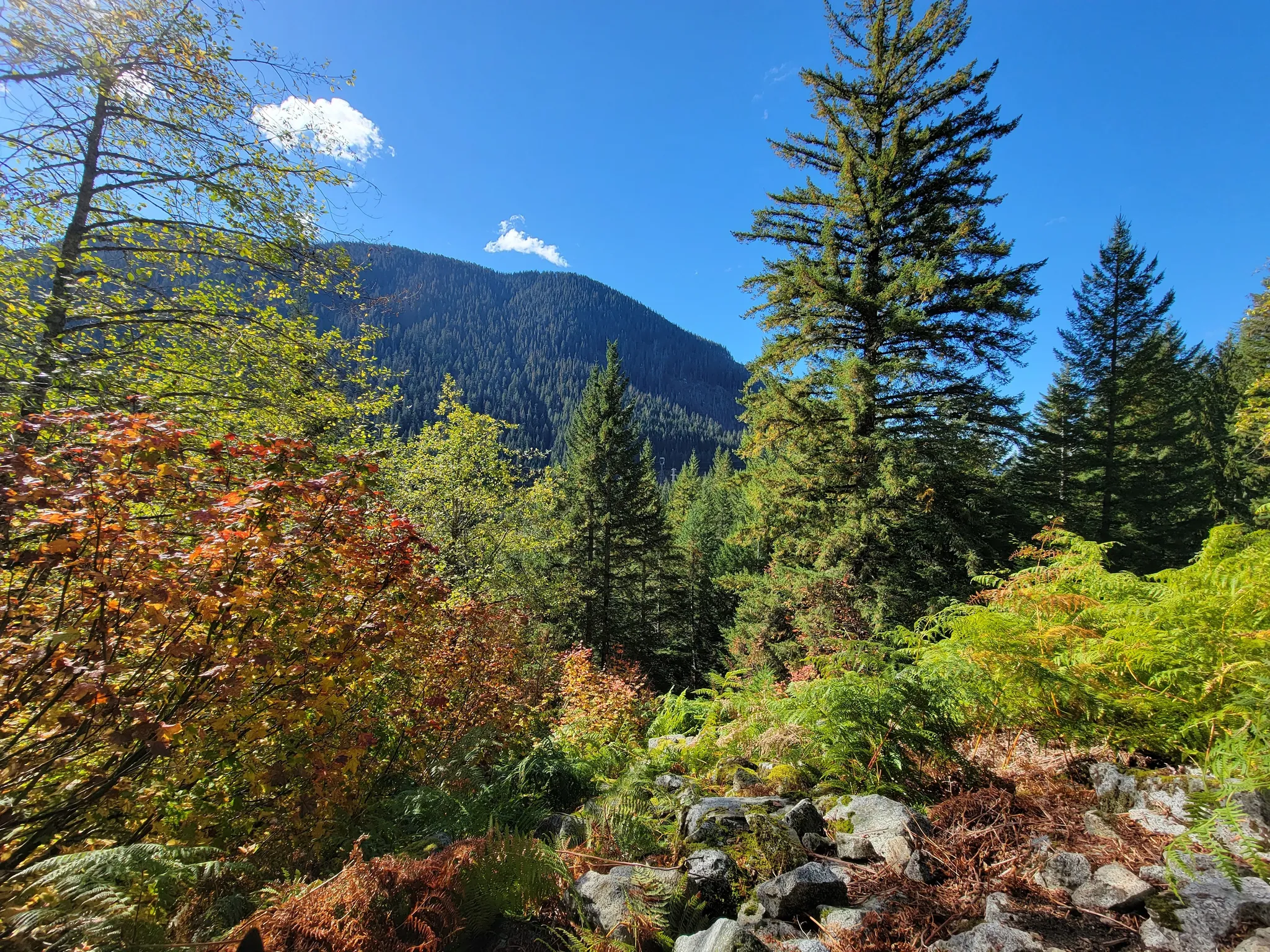
Iron Goat Trail Hiking Guide: Exploring Washington’s Scenic Railway Path
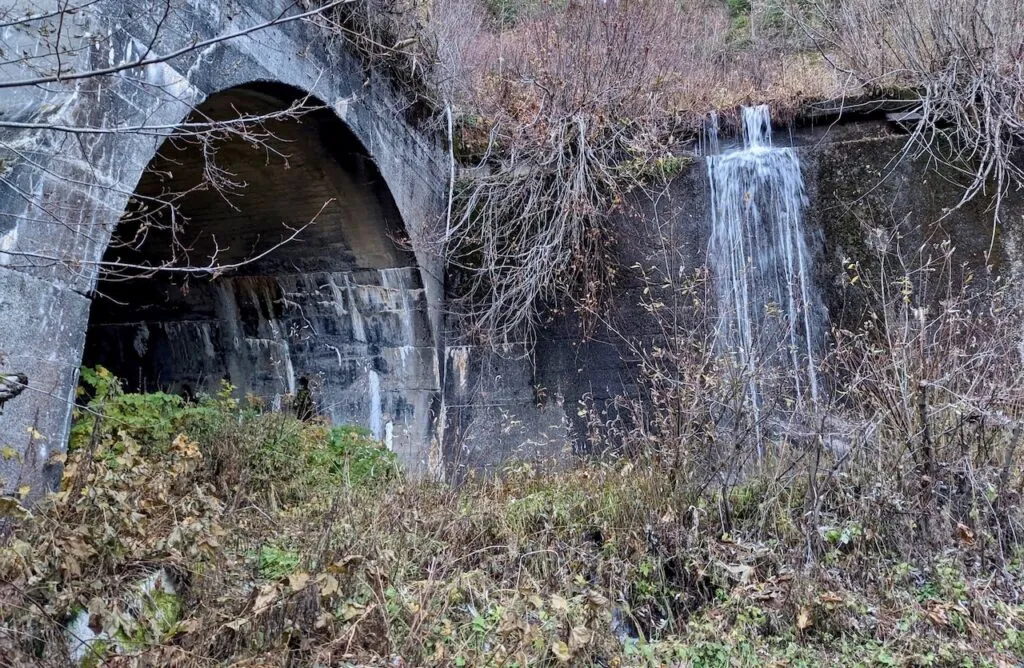
Iron Goat Trail History: Exploring the Legacy of the Great Northern Railway
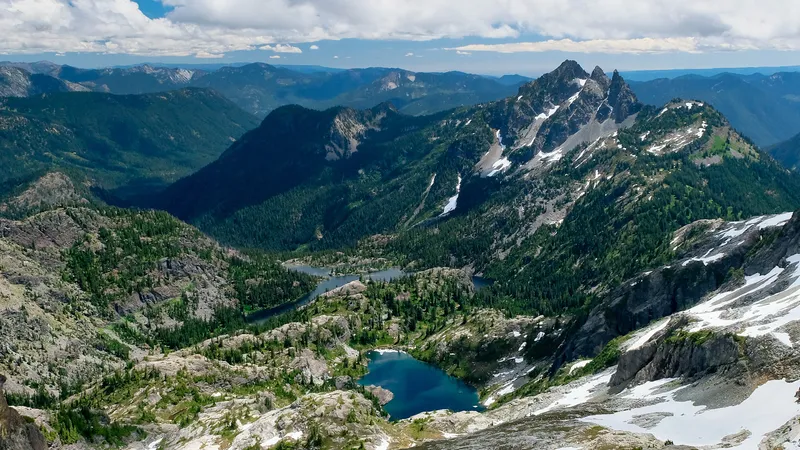
Things to Do Near Skykomish, Washington
