
North Cascades National Park in Washington offers some of the most stunning wilderness in America. The rugged mountains and dense forests create perfect habitat for wildlife, including bears. Currently, there are no confirmed grizzly bear populations living in North Cascades National Park, with the last confirmed sighting occurring in 1996.
However, this situation is changing. The National Park Service and U.S. Fish & Wildlife Service have announced a decision to actively restore grizzly bears to the North Cascades ecosystem. The plan involves relocating 3 to 7 bears at a time over a period of 5 to 10 years, aiming for an initial population of 25 bears. This restoration recognizes that grizzlies were part of this ecosystem for thousands of years before their decline.
Find available hotels and vacation homes instantly. No fees, best rates guaranteed!
Check Availability Now
For hikers exploring the North Cascades, this reintroduction adds an exciting element to the wilderness experience. While you might not spot a grizzly on your next visit to popular trails like the Iron Goat Trail, it’s thrilling to know these magnificent creatures will once again roam these mountains, helping to complete the rich tapestry of Washington’s natural heritage.
Grizzly Bears in North Cascades National Park
Grizzly bears have a complex history in the North Cascades ecosystem. Their presence has fluctuated over time due to human activities and conservation efforts.
History and Current Status
Grizzly bears once roamed freely throughout the North Cascades region for thousands of years. They were an integral part of the ecosystem, helping distribute native plant seeds and maintaining ecological balance. However, their numbers declined dramatically over time.
The last confirmed grizzly bear sighting in the North Cascades was in 1996, marking what many believe was the end of a naturally occurring population. Despite occasional unconfirmed sightings, experts consider grizzlies functionally extinct in this area.
In 2023, a significant decision was made when the National Park Service and U.S. Fish & Wildlife Service announced plans to actively restore grizzly bears to the North Cascades. This initiative aims to reintroduce up to 70 bears to the region over the coming years.
The bears will be designated as a Nonessential Experimental Population under the Endangered Species Act, giving wildlife managers flexibility in their conservation approach.
Grizzly Bear Habitat and Behavior
The North Cascades offers some of the best grizzly habitat in the contiguous United States. The region’s remote wilderness areas provide ideal conditions for these large omnivores to thrive.
Grizzlies require vast territories to find adequate food, which includes:
- Berries and fruit
- Roots and plants
- Fish
- Small mammals
- Carrion
During fall, grizzlies enter a period called hyperphagia, where they eat constantly to prepare for hibernation. They can gain up to 400 pounds before entering their winter dens.
Female grizzlies typically give birth to 1-3 cubs during hibernation. Cubs stay with their mother for 2-3 years, learning essential survival skills. This slow reproductive rate makes population recovery challenging.
Human-Bear Interactions
Safety is a primary concern when humans and grizzly bears share landscapes. The National Park Service has established protocols for visitors to North Cascades National Park to minimize negative encounters.
Important safety measures include:
- Carrying bear spray
- Making noise while hiking
- Proper food storage
- Traveling in groups
- Maintaining distance from bears
Many concerns about the grizzly reintroduction center on potential conflicts with humans. However, statistics show that bear attacks are extremely rare, especially when people follow safety guidelines.
The Interagency Grizzly Bear Committee works to address these concerns through education programs. They help local communities understand how to coexist with bears safely.
Conservation Initiatives
The effort to restore grizzlies to the North Cascades has involved extensive planning and public input. An Environmental Impact Statement was developed to assess different approaches to recovery.
Public meetings were held throughout Washington to gather community feedback. Many conservation organizations strongly support the restoration, seeing it as crucial for ecosystem health.
The recovery zone extends across North Cascades National Park and adjacent wilderness areas. Some portions reach toward the Canadian border, where small grizzly populations exist in British Columbia.
Research efforts continue to monitor bear activity in the region. Hair-sampling studies have collected DNA evidence, with about half the samples showing brown bears and half showing black bears.
Recreation and Safety in Bear Country
Visitors to North Cascades National Park can enjoy breathtaking wilderness experiences while being mindful of sharing the landscape with wildlife, including bears. Understanding proper protocols for outdoor activities and safety measures ensures both human visitors and bears can coexist peacefully.
Outdoor Recreational Activities
North Cascades National Park offers numerous opportunities for outdoor enthusiasts to explore bear habitat. Hiking trails wind through valleys and alpine meadows where bears may forage for food, particularly in spring and late summer.
Popular activities include backpacking, camping, fishing, and wildlife viewing. The Ross Lake National Recreation Area provides additional recreational spaces where visitors might encounter bears.
When planning activities, timing matters. Bears are most active at dawn and dusk, so midday hikes on well-traveled paths can reduce chances of surprise encounters.
Seasonal awareness is important too. In spring, bears emerge hungry from hibernation and often feed in valley bottoms. Late summer finds them in high meadows gathering berries.
Bear Safety Education
The National Park Service provides essential bear safety information for visitors. Rangers recommend traveling in groups and making noise while hiking to alert bears of your presence.
Carrying bear spray is strongly advised. This deterrent should be accessible at all times, not buried in a backpack.
Proper food storage is critical. Use designated bear-resistant containers or food lockers at campsites. All scented items—including toothpaste and deodorant—should be stored properly.
The Washington Department of Fish and Wildlife works with the US Fish and Wildlife Service to educate visitors about bear behavior and safety. Many trailheads display information boards with safety tips.
For those exploring the Iron Goat Trail, these same safety principles apply. This historic path through the Cascades traverses areas where bears might be encountered, making preparation and awareness essential parts of an enjoyable wilderness experience.

Find available hotels and vacation homes instantly. No fees, best rates guaranteed!
Check Availability Now
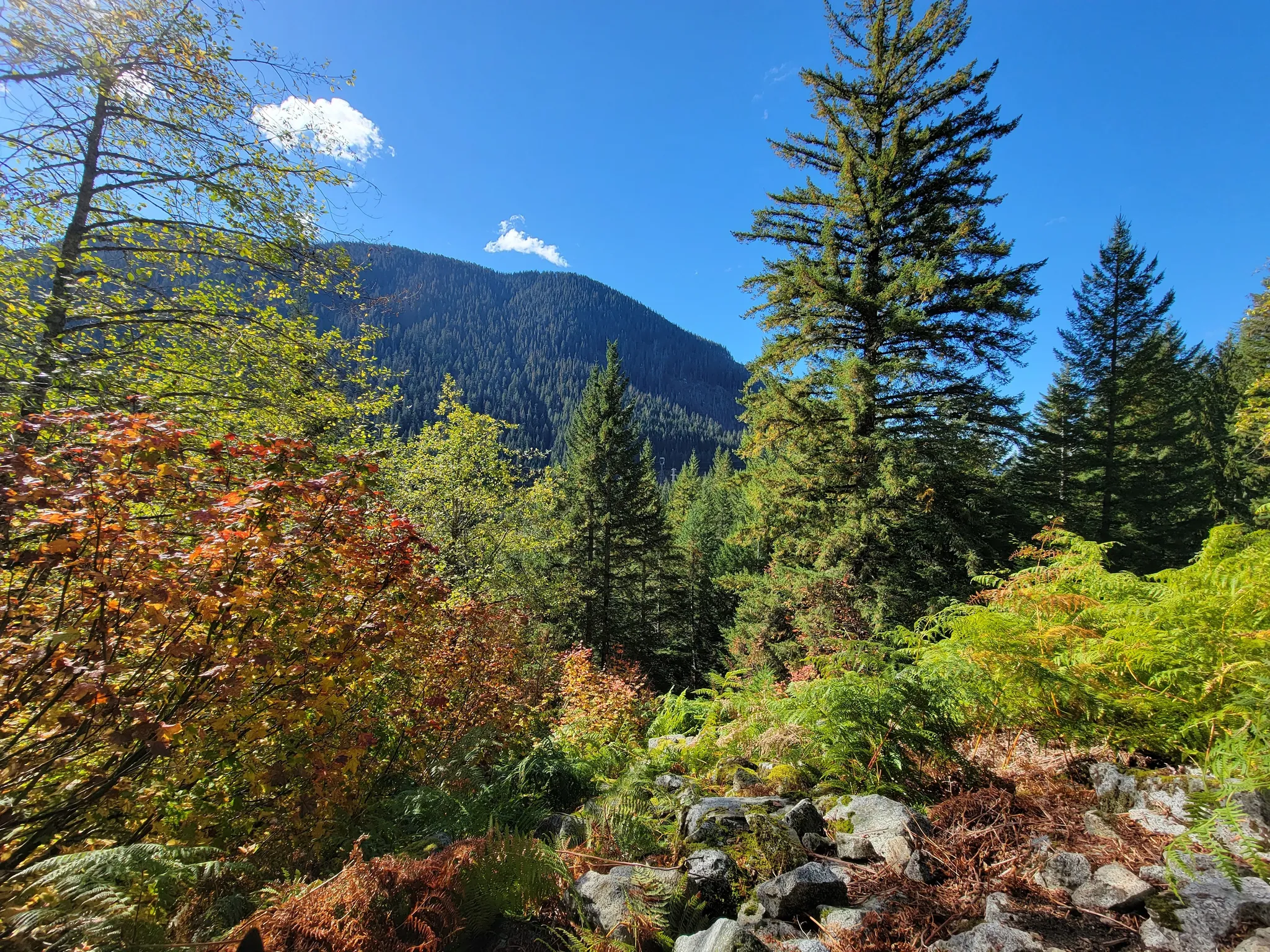
Iron Goat Trail Hiking Guide: Exploring Washington’s Scenic Railway Path
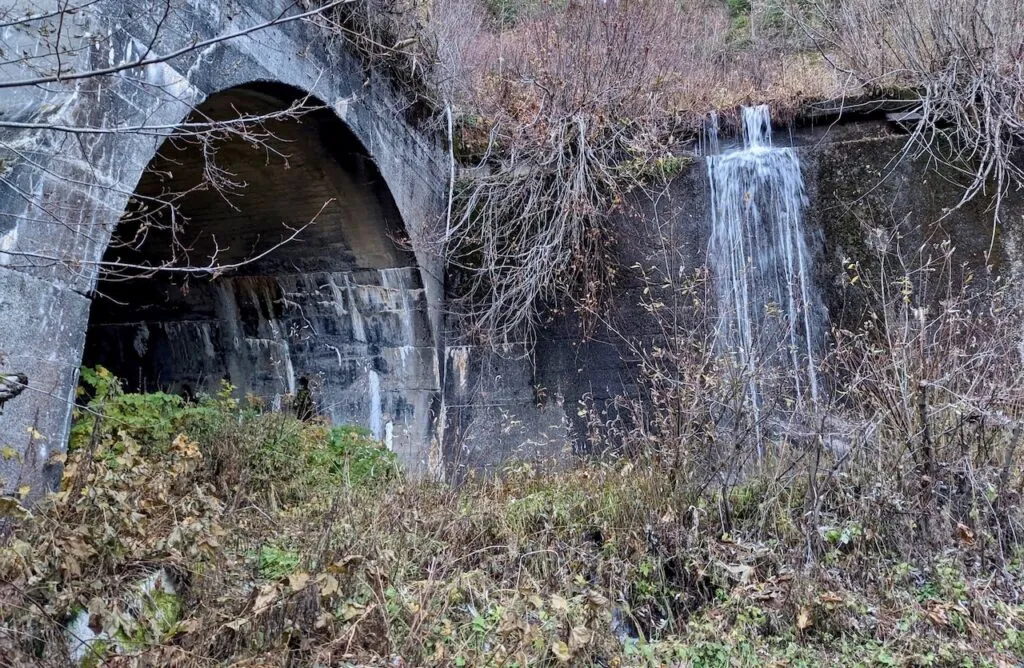
Iron Goat Trail History: Exploring the Legacy of the Great Northern Railway
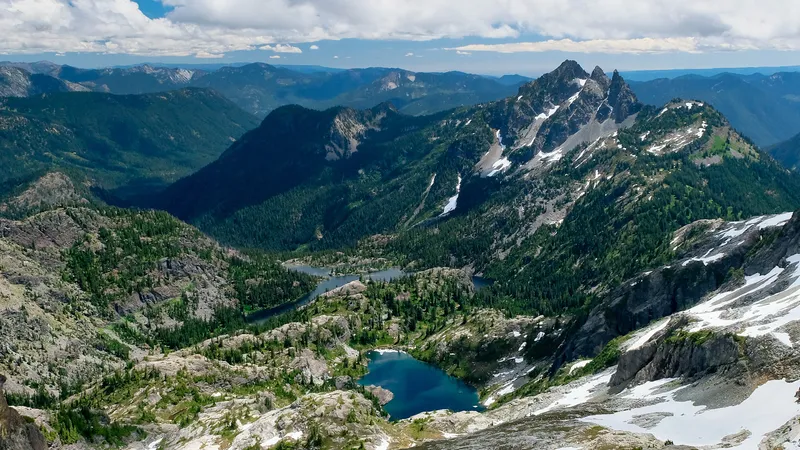
Things to Do Near Skykomish, Washington
