
Yes, there are mountain lions in the North Cascades! While rarely seen, cougars (also known as mountain lions or pumas) are definitely present throughout the North Cascades National Park and surrounding wilderness areas in Washington state. These powerful cats are an important part of the local ecosystem, helping to control deer and other prey populations.
The North Cascades provide ideal habitat for these secretive predators. Mountain lions in this region are known for their strength and amazing jumping ability. They prefer the remote, rugged terrain that makes up much of this beautiful Washington wilderness. Park visitors should be aware of wildlife safety guidelines, staying at least 100 yards away from any large predators they might encounter.
Find available hotels and vacation homes instantly. No fees, best rates guaranteed!
Check Availability Now
These magnificent cats are sometimes called “ghost walkers” because they’re so difficult to spot. If you’re hiking popular areas like the Iron Goat Trail, you probably won’t see a cougar, but it’s nice to know these amazing animals are out there, silently moving through the forests and maintaining the natural balance of this special place.
Mountain Lion Ecology and Presence in the North Cascades
Mountain lions maintain a complex relationship with the North Cascades ecosystem through their territorial behaviors, hunting patterns, and ecological impact. Their presence, though often unseen, plays a critical role in maintaining the health and balance of this diverse mountain environment.
Habitat and Territory
Mountain lions in the North Cascades thrive in remote, rugged terrain characterized by dense forests of western hemlock, Douglas fir, and mountain hemlock. These elusive cats require large territories – male cougars typically claim 50-150 square miles, while females need roughly half that area.
The North Cascades National Park provides ideal cougar habitat with its mix of:
- Dense forest cover
- Rocky outcroppings
- Subalpine meadows
- Numerous water sources
- Limited human development
Mountain lions are highly adaptable and can be found from valley bottoms to high elevations throughout the Pacific Northwest. They prefer areas with good cover for stalking prey and raising young.
Despite widespread rumors of increasing populations, research suggests we’re experiencing “an uptick in human detections and awareness of mountain lions, rather than a change in mountain lion behavior or an increase in local lion population sizes,” according to recent scientific studies.
Diet and Hunting Behaviors
As apex predators, mountain lions primarily hunt deer, which constitute about 70% of their diet in the North Cascades. They occasionally take elk, smaller mammals, and even birds when opportunity presents.
These efficient hunters use a stalk-and-ambush approach:
- Locating prey using keen senses
- Stalking silently to within 50 feet
- Pouncing with powerful hind legs
- Delivering a killing bite to the neck
A single adult cougar typically needs to kill a deer-sized animal every 1-2 weeks. After making a kill, mountain lions often cache their prey, covering it with debris and returning to feed over several days.
As keystone species, their predation helps regulate deer populations, which in turn protects vegetation from over-browsing and supports biodiversity throughout the ecosystem.
Conservation Status and Efforts
Mountain lions face several challenges in the North Cascades, including habitat fragmentation, human conflict, and misconceptions about their behavior. They’re legally classified as game animals in Washington State with regulated hunting seasons outside the national park.
Research efforts involving GPS collars help scientists understand:
- Movement patterns
- Predation habits
- Response to human activity
- Population health
These cats are considered vital components of healthy ecosystems, where they help maintain balance as top predators. Conservation strategies include wildlife corridors, public education, and habitat protection.
For hikers on popular routes like the Iron Goat Trail, seeing a mountain lion remains extremely rare. Maintaining respect for wildlife by keeping a safe distance and properly storing food helps protect both visitors and these magnificent cats that call the North Cascades home.
Find available hotels and vacation homes instantly. No fees, best rates guaranteed!
Check Availability Now
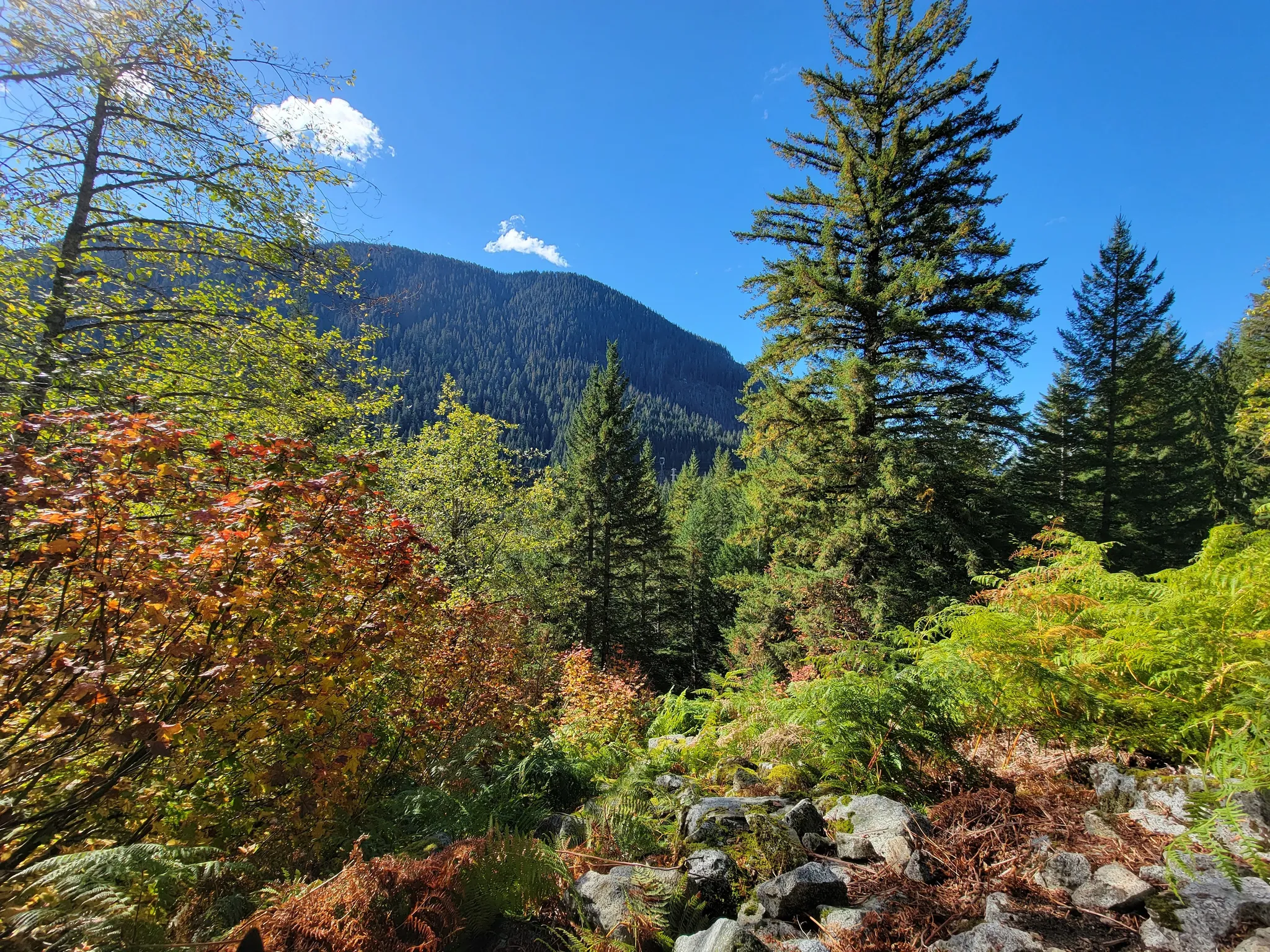
Iron Goat Trail Hiking Guide: Exploring Washington’s Scenic Railway Path
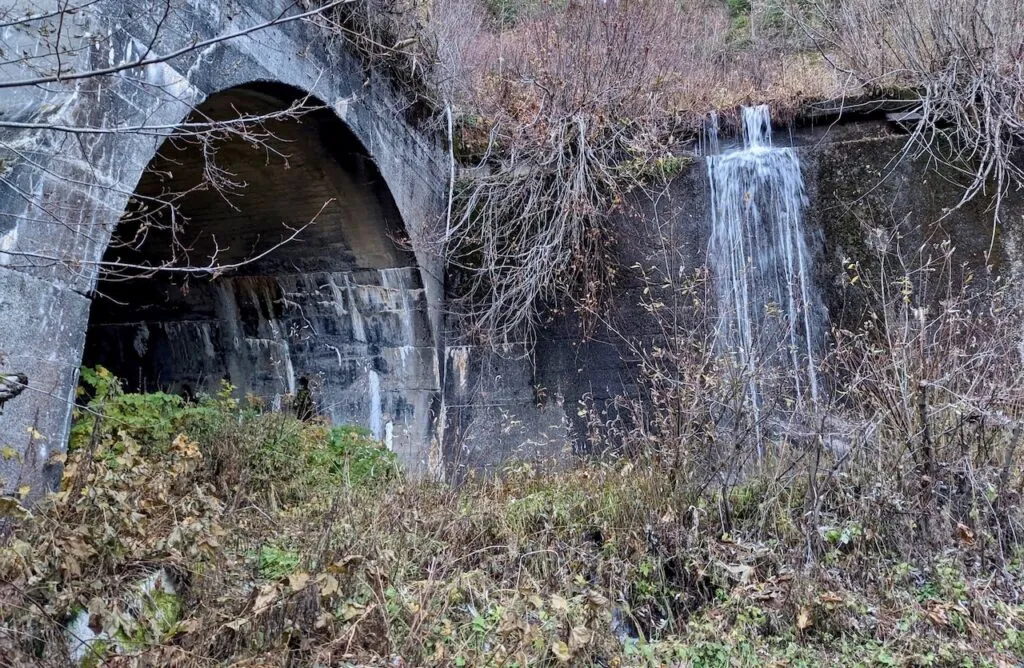
Iron Goat Trail History: Exploring the Legacy of the Great Northern Railway
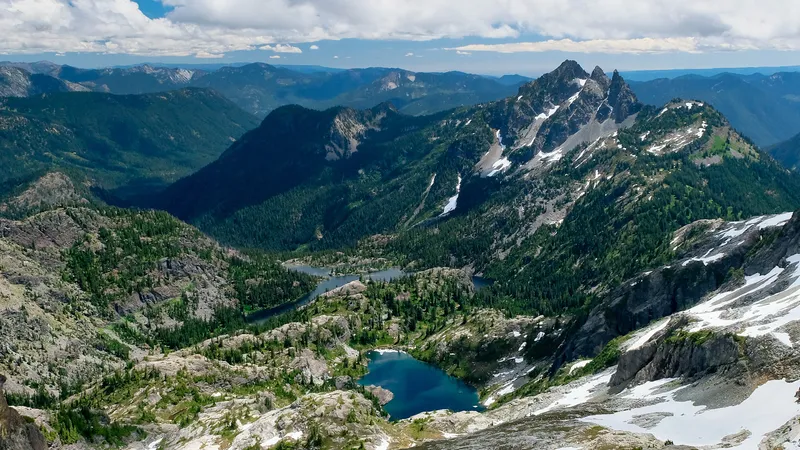
Things to Do Near Skykomish, Washington
