
The Cascade Range, stretching from California to British Columbia, is home to a stunning array of glaciers that paint the mountain peaks with brilliant blue ice. The Cascade Mountains contain approximately 300 glaciers, with the largest concentration found in North Cascades National Park in Washington state. This impressive collection makes the North Cascades one of the most heavily glaciated areas in the United States outside of Alaska.
These icy giants aren’t distributed equally throughout the range. Mount Rainier alone, the highest peak in the Cascades at 14,410 feet, boasts around 26 glaciers and contains more glacier area than all other Cascade volcanoes combined. The Stuart Range features 82 perennial snow and ice features, including 7 named glaciers. Unfortunately, these natural wonders are facing challenges from our changing climate, with scientists estimating that glacier coverage in the North Cascades has decreased by about 50 percent over the last century.
Find available hotels and vacation homes instantly. No fees, best rates guaranteed!
Check Availability Now
For hikers wanting to experience these magnificent glaciers firsthand, various trails throughout the range offer glimpses of these ice formations. The Iron Goat Trail in Washington provides a unique perspective on how these mountains and their glaciers have shaped both the landscape and human history in the Pacific Northwest, making it a perfect starting point for glacier enthusiasts.
Geological and Climate Factors
The Cascade Range’s glaciers exist due to a complex interplay of volcanic forces, elevation, and unique maritime climate patterns. These factors create ideal conditions for glacier formation while also making them vulnerable to change.
Formation of Glaciers in the Cascades
The Cascade Range formed through intense volcanic activity along the Pacific Ring of Fire. These volcanoes created towering peaks that reach over 10,000 feet in elevation, providing the high altitudes necessary for glacier formation.
Snow accumulation is crucial for glaciers. The Cascades receive heavy annual precipitation, exceeding 4.5 meters in some areas. This abundant moisture comes from the Pacific Ocean.
The mountains’ steep terrain creates distinct microclimates where temperatures remain cool enough for snow to persist year-round. In these zones, snow gradually compacts into glacial ice over time.
The North American plate’s movement continues to shape the range, with peaks like Mt. Baker and Glacier Peak hosting significant ice fields. These geological features create the perfect foundation for glacier development.
Influence of Climate Change
Cascade glaciers are highly sensitive to climate variations. Their existence depends on a delicate balance between temperature and precipitation.
Research at sites like South Cascade Glacier shows these ice masses respond quickly to climate shifts. Since the 1950s, scientists have carefully monitored these changes.
Some Cascade glaciers have experienced unexpected growth periods despite warming trends, particularly when winters brought increased precipitation. Mount Shasta’s Whitney and Hotlum Glaciers demonstrated this phenomenon.
The maritime climate’s influence creates interesting patterns across the range. Glaciers near trails like the Iron Goat Trail in Washington offer hikers glimpses of these icy formations while also reminding visitors of the powerful natural forces that shape this unique landscape.
Glaciers and Ecosystems of the Cascade Range
Glaciers in the Cascade Range form vital links in regional ecosystems, providing water resources and creating unique habitats. These ice giants shape the landscape while supporting diverse plant and animal communities that have adapted to the harsh alpine conditions.
Notable Glaciers and Peaks
The Cascade Range hosts approximately 750 glaciers between Snoqualmie Pass and the Canadian border, with over 300 located within North Cascades National Park alone. This makes the park one of the most heavily glaciated areas in the United States outside Alaska.
Mount Rainier, the highest peak in the Cascades at 14,411 feet, features impressive glaciers that feed several major river systems. Mount Baker and Glacier Peak also support significant ice fields that create spectacular alpine scenery.
Scientists have been monitoring the South Cascade Glacier since 1995, noting concerning trends. Many glaciers have disappeared over the past 40 years, and remaining ones have lost about 30% of their volume since 1984.
Impact on Flora and Fauna
The glaciers create unique conditions for wildlife and vegetation throughout the range. Meltwater from these ice masses supports temperate rainforests on the western slopes, where towering western red cedars thrive in the moist environment.
The rain shadow effect created by the mountains means western slopes receive significantly more precipitation than eastern ones, creating distinct ecosystems on either side of the range.
Alpine meadows near the glaciers burst with colorful wildflowers during brief summer seasons. These areas provide critical habitat for mountain goats, marmots, and numerous bird species adapted to the rugged terrain.
Glacier-fed streams stay cold year-round, providing perfect conditions for native fish species. Hikers exploring wilderness areas like the Iron Goat Trail can witness this delicate balance between ice, water, and life that makes the Cascade Range such a remarkable natural wonder.
Find available hotels and vacation homes instantly. No fees, best rates guaranteed!
Check Availability Now
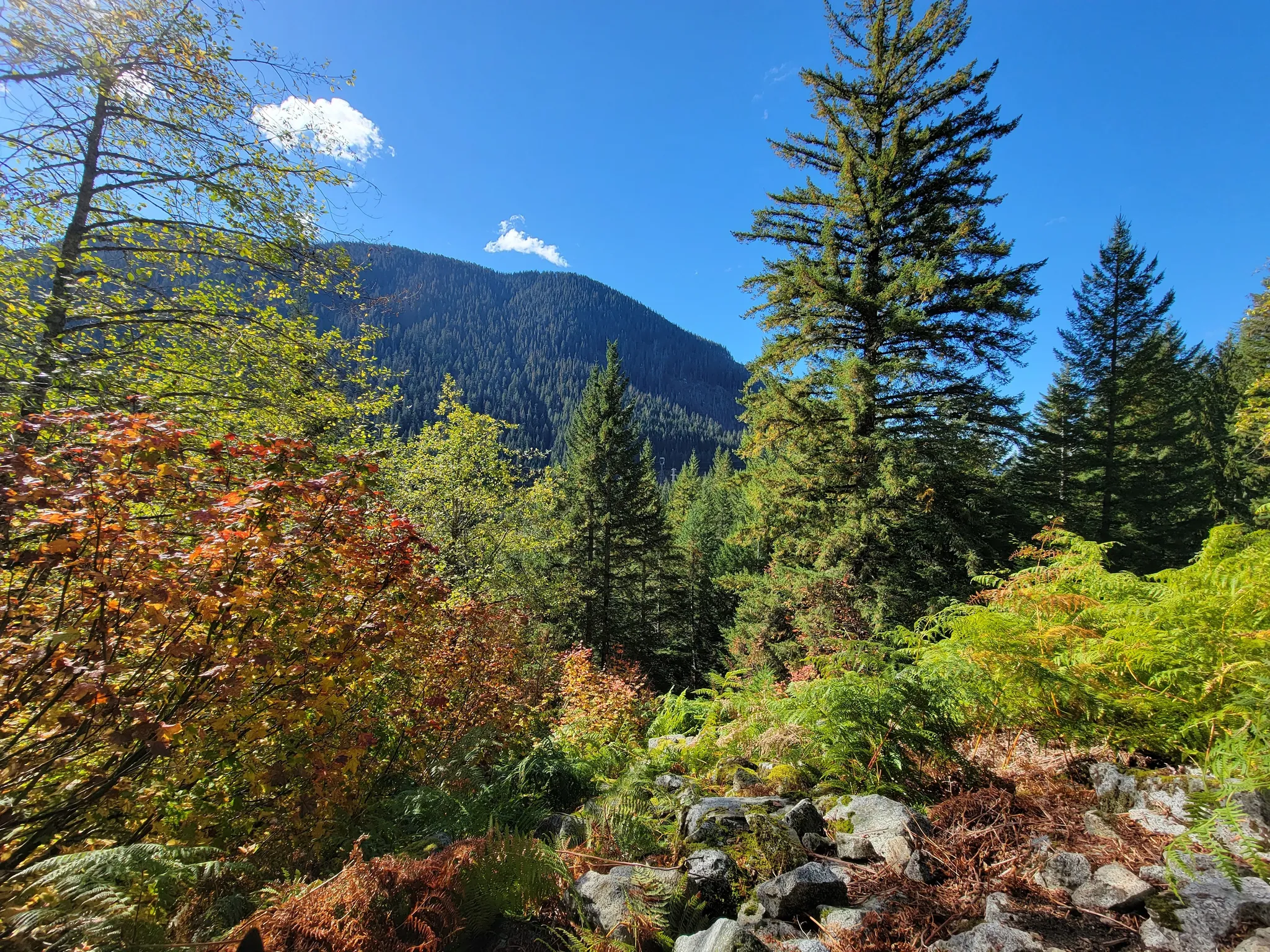
Iron Goat Trail Hiking Guide: Exploring Washington’s Scenic Railway Path
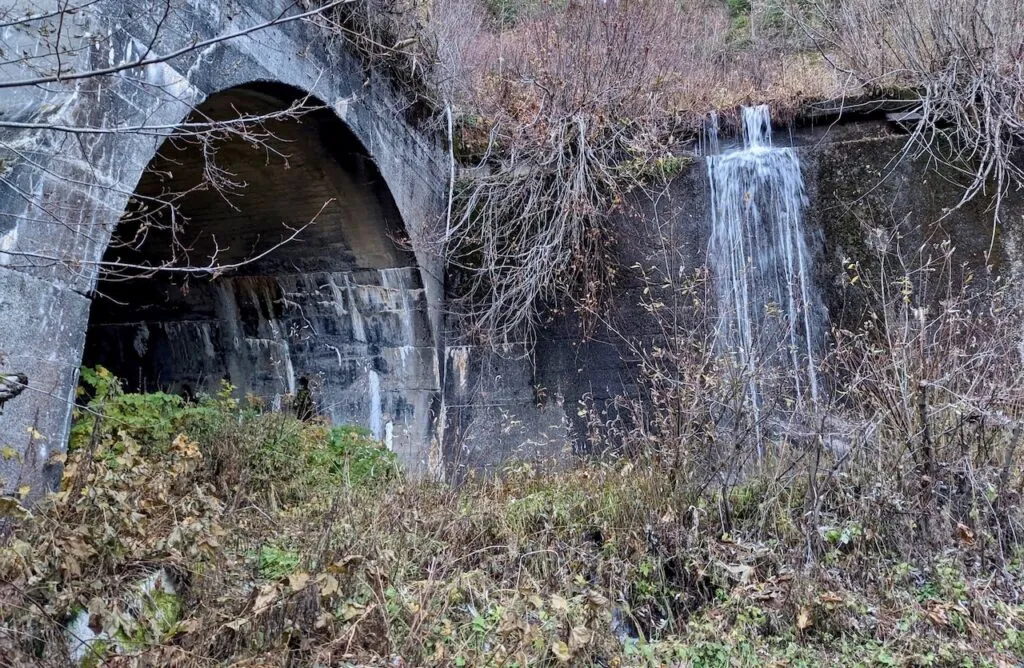
Iron Goat Trail History: Exploring the Legacy of the Great Northern Railway
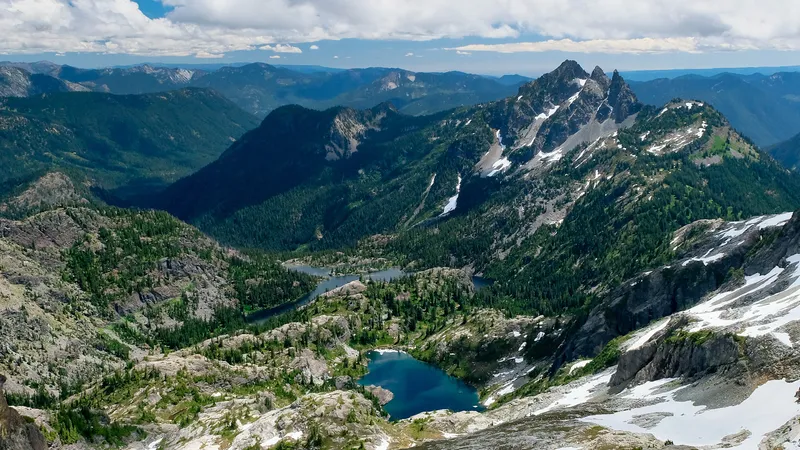
Things to Do Near Skykomish, Washington
