
Washington’s rugged North Cascades will soon welcome some impressive new residents. Federal officials have announced plans to reintroduce grizzly bears to the North Cascades ecosystem, bringing back these magnificent creatures to their historic range. The project aims to release three to seven bears annually over the next five to ten years until they reach an initial population of 25 bears.
Over time, biologists hope this founder population will grow naturally to around 200 grizzlies within a century, restoring a key native species to this vast wilderness. The carefully planned Grizzly Bear Restoration will place the bears in remote areas of North Cascades National Park and surrounding wildlands, giving them room to thrive away from human activity.
Find available hotels and vacation homes instantly. No fees, best rates guaranteed!
Check Availability Now
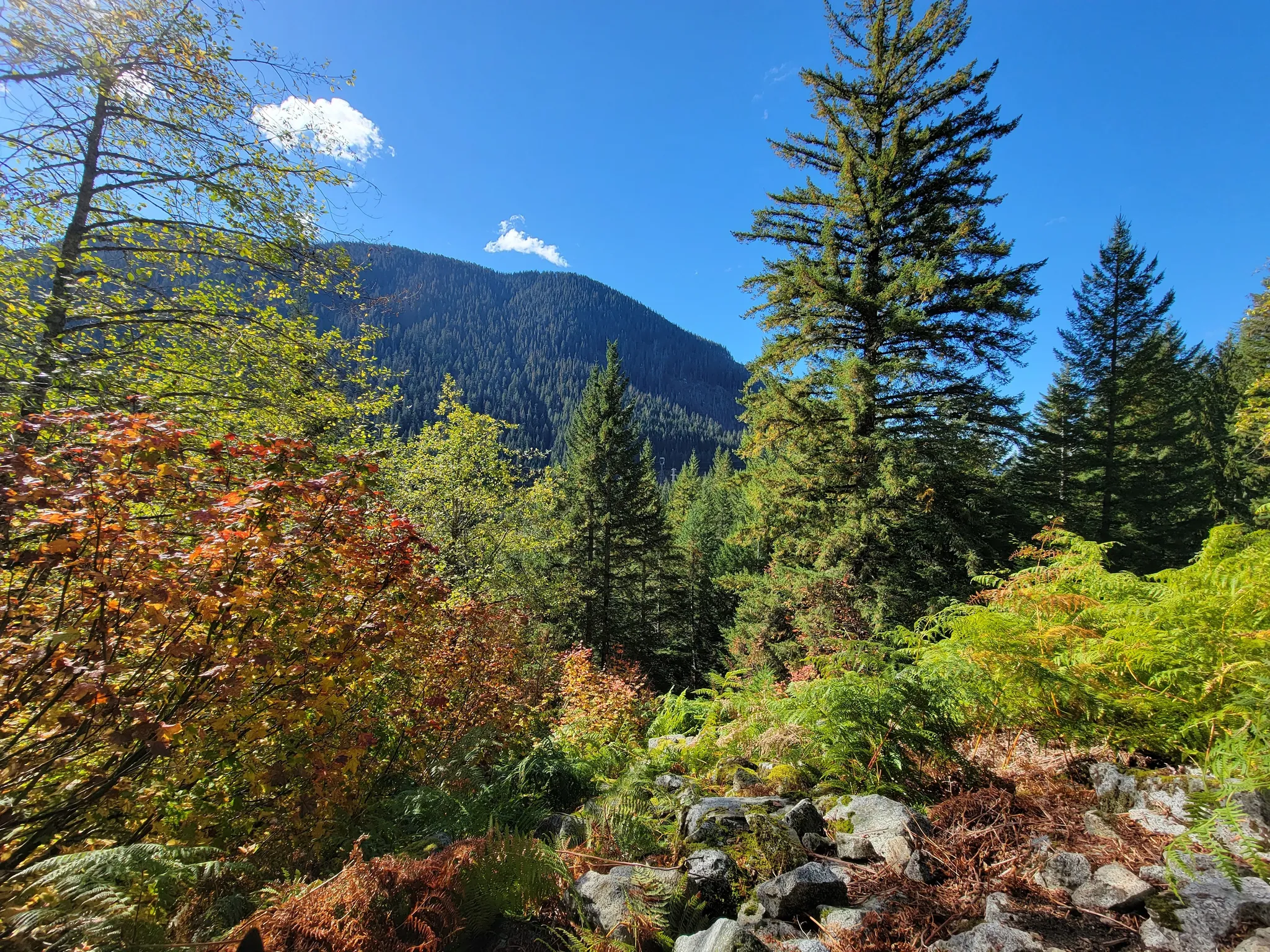
Visitors exploring Washington’s spectacular mountain landscapes might wonder what this means for their adventures. Wildlife officials emphasize that grizzly encounters will remain extremely rare. The North Cascades span nearly 10,000 square miles – larger than New Jersey! Hikers on popular routes like the Iron Goat Trail will likely never glimpse these elusive creatures, though knowing they once again roam these mountains adds a special wildness to the experience.
Grizzly Bear Recovery Plan
The restoration of grizzly bears to the North Cascades follows a carefully structured federal plan that addresses legal protections, population goals, and community involvement strategies to ensure successful reintegration of this apex predator.
The Role of the Endangered Species Act
The Endangered Species Act provides crucial legal protection for grizzly bears in the North Cascades. Since being listed as threatened in 1975, grizzlies have received federal protection that makes their recovery a legal mandate.
The North Cascades chapter of the National Grizzly Bear Recovery Plan was published in 1997 by the U.S. Fish & Wildlife Service. This plan established the framework for restoring grizzlies to this ecosystem where they historically thrived.
In November 2022, federal agencies reinitiated the restoration planning process after it was temporarily discontinued in 2020. This renewed effort demonstrates the government’s commitment to fulfilling its endangered species obligations.
Population Goals and Territory
The recovery plan aims to establish a self-sustaining population of approximately 200 grizzly bears across the North Cascades Ecosystem. This will begin with the release of up to 70 bears over the coming years.
Federal assessments have determined that the North Cascades offers “phenomenal habitat for grizzlies” with sufficient territory to support the target population. The vast, remote wilderness provides ideal conditions for these bears to thrive.
The Environmental Impact Statement (EIS) outlines a phased approach starting with an initial population goal of 25 bears. This measured strategy allows wildlife managers to monitor integration and adjust methods as needed.
Conservation and Community Efforts
Community engagement forms a cornerstone of the recovery strategy. Federal agencies have held extensive public comment periods to address concerns and incorporate local perspectives into the restoration plan.
The National Park Service and U.S. Fish & Wildlife Service are implementing education programs to help communities understand how to safely coexist with grizzlies. These initiatives focus on proper food storage, wilderness safety, and bear identification skills.
Conservation groups are working with ranchers and farmers to develop effective deterrent systems and compensation programs for potential livestock losses. This collaborative approach helps build community tolerance while protecting agricultural interests.
Hikers on popular routes like the Iron Goat Trail will benefit from new interpretive signs explaining grizzly behavior and safety protocols, making the trail not just a historic railway route but also an educational opportunity about wildlife recovery.
Challenges and Strategies for Grizzly Introduction
Bringing grizzly bears back to the North Cascades involves careful planning and community engagement. The process faces several hurdles but also employs proven methods that have worked in other recovery zones.
Logistics of Translocation
The physical movement of grizzly bears to the North Cascades Ecosystem presents significant challenges. Wildlife biologists plan to relocate 3-7 bears annually over 5-10 years from healthy populations in British Columbia or the Northern Continental Divide.
Bears selected for translocation must meet specific criteria:
- Young adults with no history of human conflict
- Genetic diversity to ensure population health
- Females preferred for reproductive potential
Capture operations typically use culvert traps or helicopter darting, followed by health assessments. Bears receive GPS tracking collars before release in remote areas of the North Cascades National Park.
Weather and terrain pose additional challenges, limiting translocation efforts to spring and fall. The rugged landscape requires careful site selection for releases, focusing on areas with abundant natural food sources and minimal human activity.
Ensuring Human Safety and Coexistence
Building community tolerance is crucial for successful grizzly restoration. The restoration plan includes robust education programs teaching hikers and residents how to safely coexist with grizzlies.
Key safety measures include:
- Bear-resistant food storage containers at campsites
- Electric fencing for backcountry livestock
- Bear spray availability and training
- Clear guidelines for recreationists
Public forums allow community members to voice concerns and learn about the plan. Many worries focus on potential human-bear conflicts, though data from other recovery zones suggests such incidents are rare with proper precautions.
The agencies will establish a rapid response team to address any problem bears. This approach has proven effective in building trust with local communities in similar reintroduction efforts.
Monitoring Grizzly Progress and Ecosystem Impact
Tracking the success of grizzly reintroduction requires comprehensive monitoring systems. Bears will wear GPS collars transmitting location data to biologists monitoring movement patterns and habitat use.
Remote cameras placed strategically throughout the ecosystem will capture additional data on bear behavior and population growth. DNA sampling through hair snares helps identify individual bears and track the growing population without disturbance.
Scientists will also study ecosystem changes as grizzlies resume their role as apex predators. Their digging activities create microhabitats for plants, while seed dispersal through scat enhances forest diversity.
Success metrics include:
- Survival rate of translocated bears
- Reproduction rates and cub survival
- Habitat use patterns
- Human conflict incidents
Hikers on popular routes like the Iron Goat Trail might contribute to citizen science efforts by reporting signs of grizzly activity through a smartphone app, helping biologists track the growing bear population while enjoying Washington’s spectacular wilderness.
Find available hotels and vacation homes instantly. No fees, best rates guaranteed!
Check Availability Now
Iron Goat Trail Hiking Guide: Exploring Washington’s Scenic Railway Path
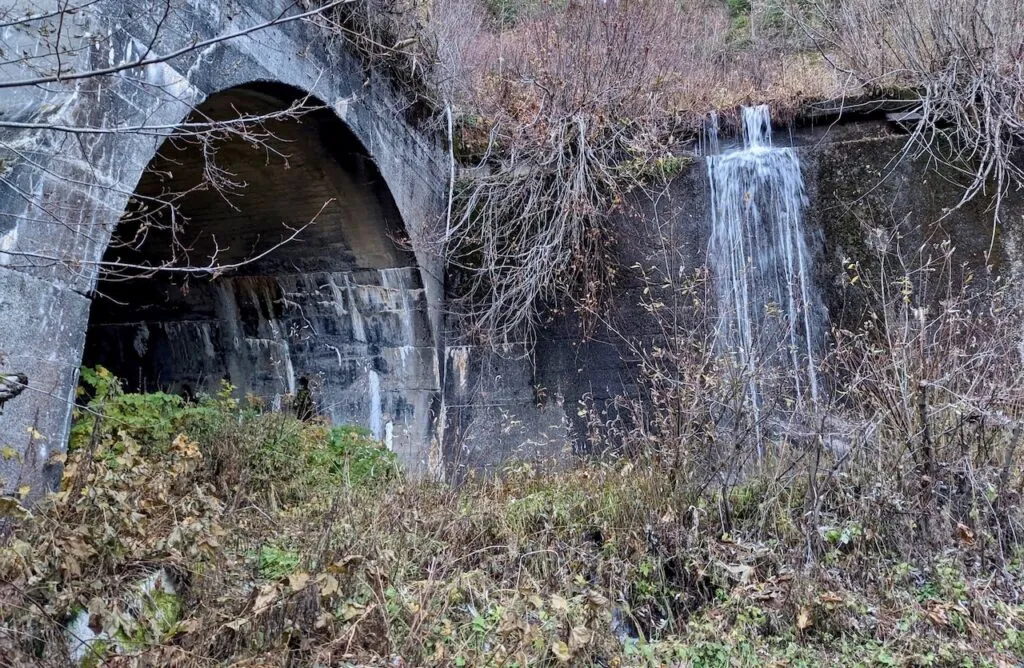
Iron Goat Trail History: Exploring the Legacy of the Great Northern Railway
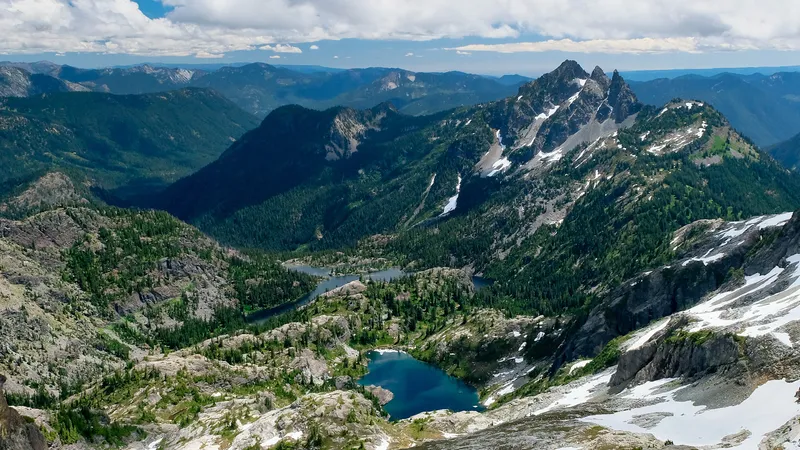
Things to Do Near Skykomish, Washington
