
Standing tall as Oregon’s second-highest peak, Mount Jefferson is a majestic sight in the Cascade Range. Hikers and mountaineers are often drawn to its challenging slopes and breathtaking views. But many visitors wonder about the fiery nature that shaped this mountain.
Mount Jefferson is not considered an active volcano, as it is the only major volcanic center in the U.S. portion of the Cascade Range that hasn’t erupted in the past 10,000 years. This deeply eroded stratovolcano was built during two main eruptive episodes, with the first beginning around 290,000 years ago. Though dormant now, the mountain still bears the classic cone shape typical of composite volcanoes.
Find available hotels and vacation homes instantly. No fees, best rates guaranteed!
Check Availability Now
The volcanic landscape of the Cascades offers endless exploration opportunities for nature enthusiasts. From Mount Jefferson’s wilderness to other volcanic features in the range, each tells a story of Earth’s powerful forces. Those who enjoy such geological wonders might also appreciate the Iron Goat Trail in Washington, where visitors can experience another fascinating aspect of the Pacific Northwest’s diverse terrain.
Geological Profile of Mount Jefferson
Mount Jefferson stands as Oregon’s second tallest mountain at 10,495 feet (3,199 meters). This impressive peak has a complex geological history spanning hundreds of thousands of years, shaped by volcanic forces and extensive glaciation.
Structure and Composition
Mount Jefferson is classified as a deeply eroded stratovolcano built primarily of andesite and dacite rock types. The mountain formed during two distinct episodes of activity, with the first beginning approximately 300,000 years ago.
The initial building phase likely created a volcano even taller than today’s Mount Jefferson. Extensive glacial activity then carved deep canyons into this early formation, dramatically reshaping its structure.
The volcano’s later building phase was marked by the growth of dacite domes near the summit. These domes eventually collapsed, contributing to the mountain’s current appearance and complex structure.
Today, Mount Jefferson features steep slopes, glaciers, and numerous volcanic features that tell the story of its formation processes.
Historic Activity and Eruptions
Mount Jefferson has erupted repeatedly throughout its long history, though it has been quieter in recent times.
Past eruptions produced various volcanic materials including lava flows, pyroclastic flows, and ash deposits. These events helped shape the mountain’s current form and the surrounding landscape.
The volcano’s eruption style has typically involved explosive events and the creation of lava domes. These processes built up the mountain over time while periods of glaciation simultaneously worked to erode it.
Glaciers continue to play a significant role in Mount Jefferson’s appearance, making it a prominent feature visible from highways on both sides of the Cascade Range.
Human and Ecological Significance
Mount Jefferson’s presence extends far beyond its geological features, shaping both human culture and the natural environment in profound ways. Its towering silhouette has influenced regional history, supports diverse ecosystems, and continues to be an important focus for scientific study.
Cultural and Historical Impact
Mount Jefferson holds deep cultural significance in Oregon’s history. Named after President Thomas Jefferson by the Lewis and Clark expedition in 1806, the mountain has long been a landmark for travelers and Indigenous peoples. Native American tribes in the region, including the Warm Springs, considered the mountain sacred long before European settlement.
The volcano has attracted climbers and adventurers for generations. Its challenging terrain makes it one of the more difficult Cascade peaks to summit, creating a tight-knit community of dedicated mountaineers who share stories and techniques.
Tourism around Mount Jefferson boosts the local economy, with visitors coming to admire its glaciated slopes and rugged beauty. The Jefferson Wilderness area, established in 1968, preserves this natural wonder for future generations.
Environmental Ecosystem and Hazards
Mount Jefferson’s varied elevations create distinct ecological zones that support diverse plant and animal communities. Alpine meadows bloom with wildflowers in summer, while lower slopes host thick forests of Douglas fir, hemlock, and cedar.
The mountain’s glaciers are critical water sources for surrounding watersheds, feeding rivers that sustain wildlife and human communities. However, these glaciers have receded significantly in recent decades due to climate change.
Potential hazards from Mount Jefferson include:
- Debris avalanches
- Lahars (volcanic mudflows)
- Ash fallout
- Earthquakes
Though the volcano hasn’t erupted in over 10,000 years, volcanic activity at nearby features like Forked Butte and South Cinder Peak demonstrates the area remains geologically active. This volcanic landscape creates specialized habitats for unique plant communities adapted to volcanic soils.
Monitoring and Research
The U.S. Geological Survey maintains monitoring equipment on Mount Jefferson to detect signs of renewed volcanic activity. Seismometers track earthquake patterns that might indicate magma movement beneath the surface.
Scientists study the mountain’s eruption history to better understand its patterns of volcanism and assess future risks. This research helps protect nearby communities and infrastructure from potential hazards.
Mount Jefferson’s geology provides valuable insights into the formation of the High Cascade Range. Researchers examine its lava flows, ash deposits, and rock formations to piece together the complex history of this composite cone volcano.
Visitors interested in learning more about Cascade volcanism might also enjoy the Iron Goat Trail in Washington, where friendly trail guides explain similar volcanic processes that shaped the entire mountain range.
Find available hotels and vacation homes instantly. No fees, best rates guaranteed!
Check Availability Now
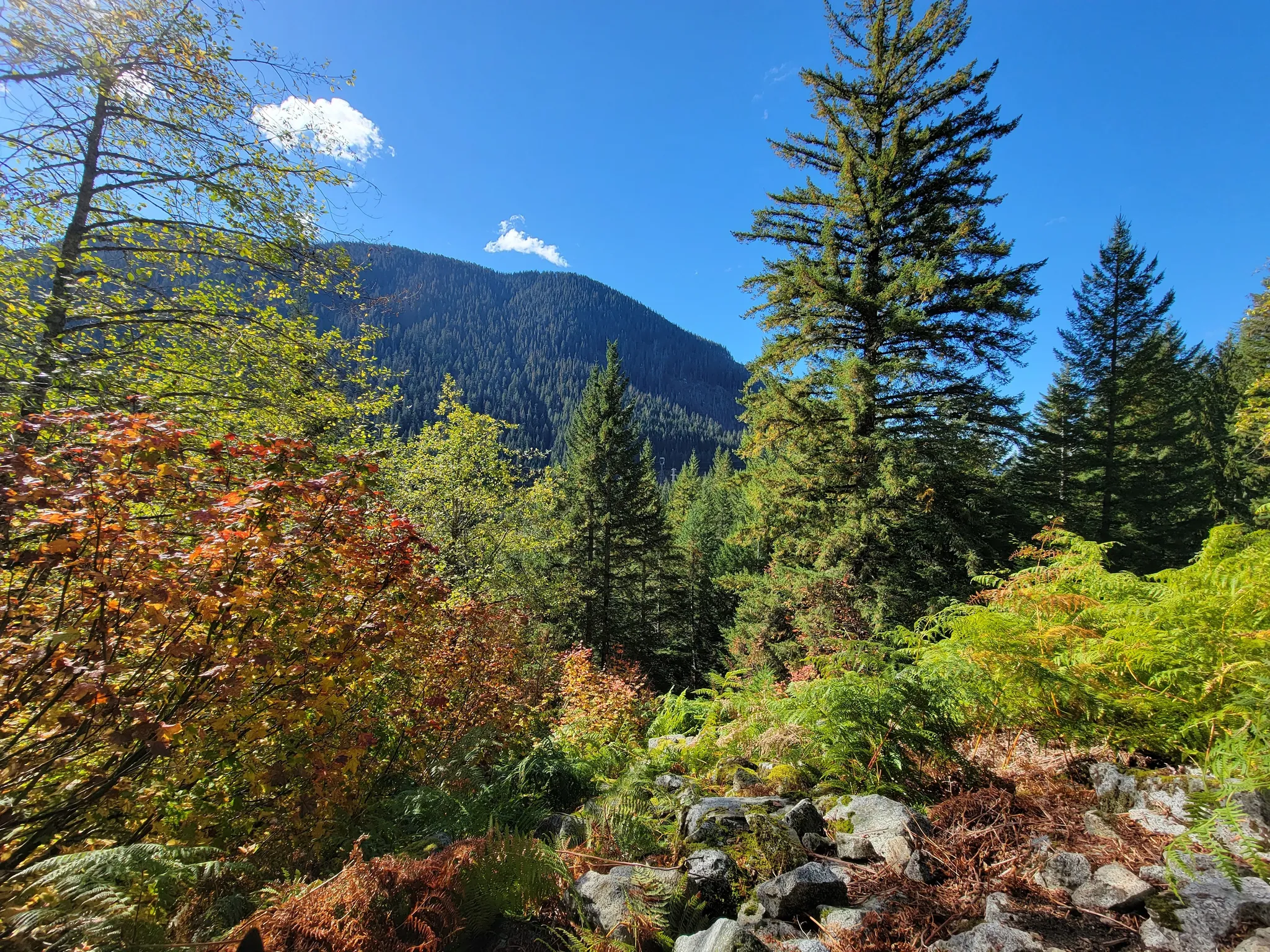
Iron Goat Trail Hiking Guide: Exploring Washington’s Scenic Railway Path
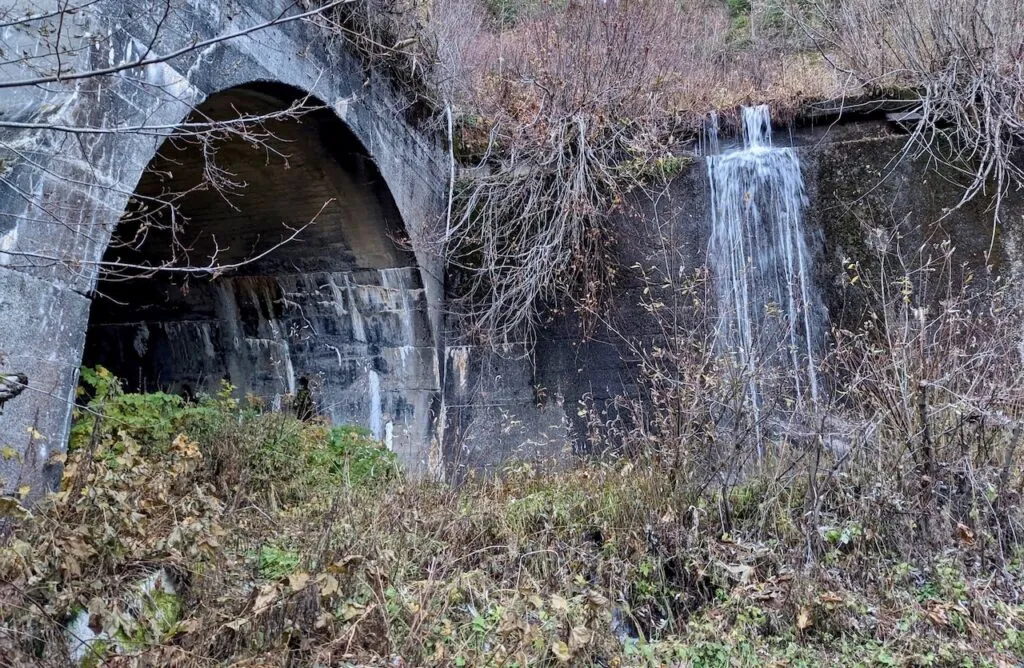
Iron Goat Trail History: Exploring the Legacy of the Great Northern Railway
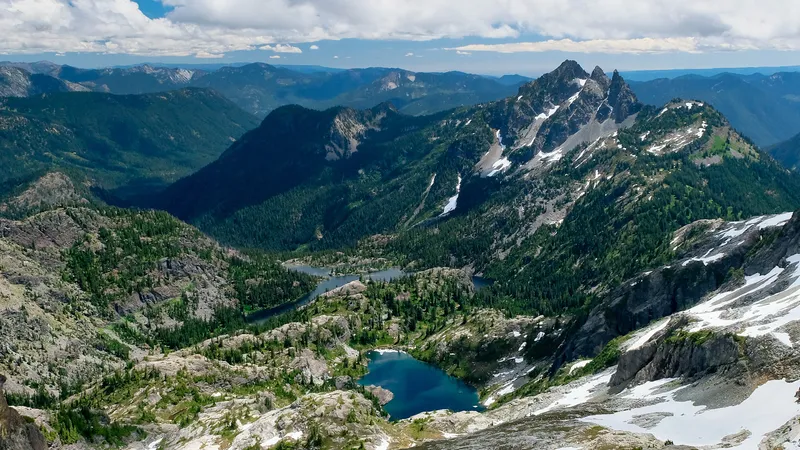
Things to Do Near Skykomish, Washington
