
Mount St. Helens stands as one of the most famous volcanoes in the United States, known for its catastrophic 1980 eruption that changed the Washington landscape forever. Many visitors to the Pacific Northwest wonder if they’ll witness another dramatic event in their lifetime. Scientists believe Mount St. Helens is the volcano in the Cascades most likely to erupt again in our lifetimes, though there are currently no signs of an imminent eruption despite ongoing seismic activity.
The volcano has been showing signs of what experts call “recharging” – a normal process where magma builds up beneath the surface. Since July 2023, over 400 earthquakes have been detected in the area, but geologists emphasize this doesn’t necessarily mean an eruption is coming soon. Similar periods of activity in the past, such as in 1988, didn’t lead to eruptions.
Find available hotels and vacation homes instantly. No fees, best rates guaranteed!
Check Availability Now
While monitoring this active volcano continues, visitors can safely explore the stunning landscapes surrounding Mount St. Helens. The dramatic recovery of the ecosystem provides a fascinating glimpse into nature’s resilience. For those looking to experience Washington’s volcanic history from a different perspective, the nearby Iron Goat Trail offers hikers a peaceful route through forests with distant views of the Cascade Range’s geological wonders.
Historical Eruptions and Current Volcanic Activity
Mount St. Helens has a long history of volcanic activity, with its most famous eruption taking place in 1980. Today, scientists carefully monitor this active volcano for signs of future eruptions using advanced technology and historical data.
The 1980 Eruption Event
The May 18, 1980 eruption of Mount St. Helens was the deadliest and most destructive volcanic event in U.S. history. It began with a 5.1 magnitude earthquake that triggered a massive landslide and lateral blast.
This powerful explosion blew out the mountain’s north side, reducing its height by about 1,300 feet. The eruption killed 57 people and caused widespread destruction, sending volcanic ash across several states.
Pyroclastic flows (hot gas and volcanic debris) moved at speeds up to 80 mph, destroying everything in their path. The landscape was dramatically transformed as forests were flattened and rivers clogged with volcanic debris.
The 1980 event serves as an important baseline for understanding how Mount St. Helens behaves and what might happen in future eruptions.
Recent Seismic Monitoring
Since the 1980 eruption, Mount St. Helens has been the most monitored volcano in the United States. The Cascades Volcano Observatory and U.S. Geological Survey maintain a network of sophisticated instruments that track seismic activity.
Scientists have detected periodic increases in earthquake activity beneath the volcano. These tremors often indicate magma movement within the volcanic system.
Recent monitoring has shown periods of increased seismicity that experts interpret as “recharge” events. During these times, magma moves into the system from deeper within the Earth.
These seismic patterns are considered normal for active volcanoes. As the USGS notes, such activity “can continue for many years without an eruption,” though it remains important to track these changes carefully.
Predicting Future Eruptions
Scientists are confident that Mount St. Helens will erupt again. It is considered the most likely volcano in the Cascades to erupt during our lifetimes, with an eruption recurrence interval of every 100-300 years.
Future eruptions will likely follow patterns similar to past activity. However, another catastrophic lateral blast like the 1980 event is unlikely since a deep crater has already formed.
Warning signs before an eruption typically include:
- Increased earthquake swarms
- Ground deformation
- Changes in gas emissions
- Thermal anomalies
While there are no signs of an imminent eruption currently, scientists continue vigilant monitoring. The volcano’s activity serves as a reminder of nature’s power for hikers on nearby trails like the Iron Goat Trail, where visitors can view the Cascades’ majestic – and sometimes volatile – landscape from a safe distance.
Preparedness and Response to Potential Eruptions
The Pacific Northwest has learned valuable lessons from Mount St. Helens’ 1980 eruption, leading to improved monitoring systems and emergency plans that help keep communities safe while respecting the powerful nature of these geological features.
Community and Authority Readiness
Washington State has developed comprehensive emergency response plans for volcanic activity at Mount St. Helens. These plans include detailed evacuation routes and procedures that are regularly updated.
Seismologists work around the clock monitoring volcanic activity through an extensive network of sensors. When unusual activity is detected, like the earthquake swarms that preceded the 1980 eruption, officials can provide early warnings to at-risk communities.
Nearby counties, including Skamania County, conduct regular drills to prepare residents for potential eruptions. These exercises help ensure everyone knows what to do during an emergency.
Warning systems for lahars (volcanic mudflows) have been installed in valleys surrounding the volcano. These deadly flows can travel far and fast, so early detection is crucial for communities downstream.
Key safety measures include:
- Designated evacuation routes
- Emergency shelter locations
- Communication systems that function during disasters
- Public education programs
Wildlife and Environmental Considerations
The ecosystem around Mount St. Helens continues to recover from the 1980 eruption, showcasing nature’s remarkable resilience. Wildlife populations have adapted to the changing landscape, with some species thriving in the new environment.
Environmental monitoring teams track how animals respond to volcanic activity. Even subtle changes in wildlife behavior can sometimes indicate impending eruptions before instruments detect them.
Park rangers work to protect sensitive recovery areas while still allowing visitors to witness the rebirth of forests and meadows. They help maintain safe distances between visitors and wildlife during periods of increased volcanic activity.
Scientists study how ash deposits affect plant growth and water quality. This research helps predict and mitigate the environmental impact of future eruptions on the surrounding forests and waterways.
Restoration efforts continue in areas damaged by previous eruptions. These projects aim to accelerate natural recovery processes and protect endangered species that live near the volcano.
Living with an Active Stratovolcano
Residents near Mount St. Helens have developed a respectful relationship with the active volcano in their backyard. Many keep emergency kits prepared with essentials like water, food, medicines, and important documents.
Local schools incorporate volcano safety into their curriculum, teaching children about warning signs and appropriate responses. This education helps create a culture of preparedness from an early age.
Tourism around the volcano carefully balances safety with access to this natural wonder. Visitors can enjoy attractions like the scenic Iron Goat Trail, which offers spectacular views while staying within safe zones during periods of volcanic activity.
Communities celebrate their resilience through festivals and events that honor the volcano’s power and beauty. These gatherings help maintain awareness while acknowledging that living near an active volcano requires both respect and preparation.
Businesses in the region have adapted by creating contingency plans for volcanic disruptions. This forward-thinking approach helps the local economy remain stable despite the occasional uncertainty that comes with living near Mount St. Helens.
Find available hotels and vacation homes instantly. No fees, best rates guaranteed!
Check Availability Now
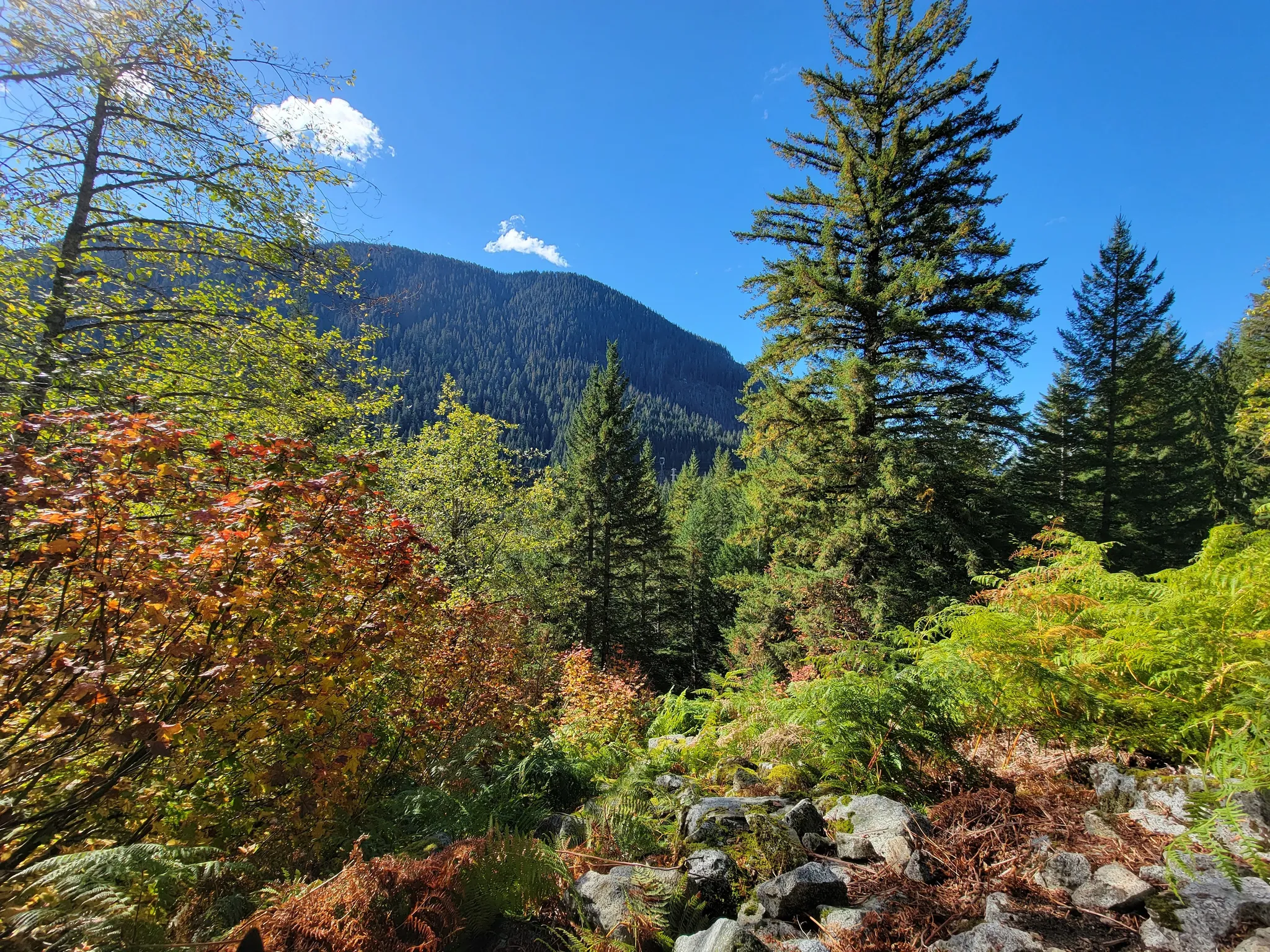
Iron Goat Trail Hiking Guide: Exploring Washington’s Scenic Railway Path
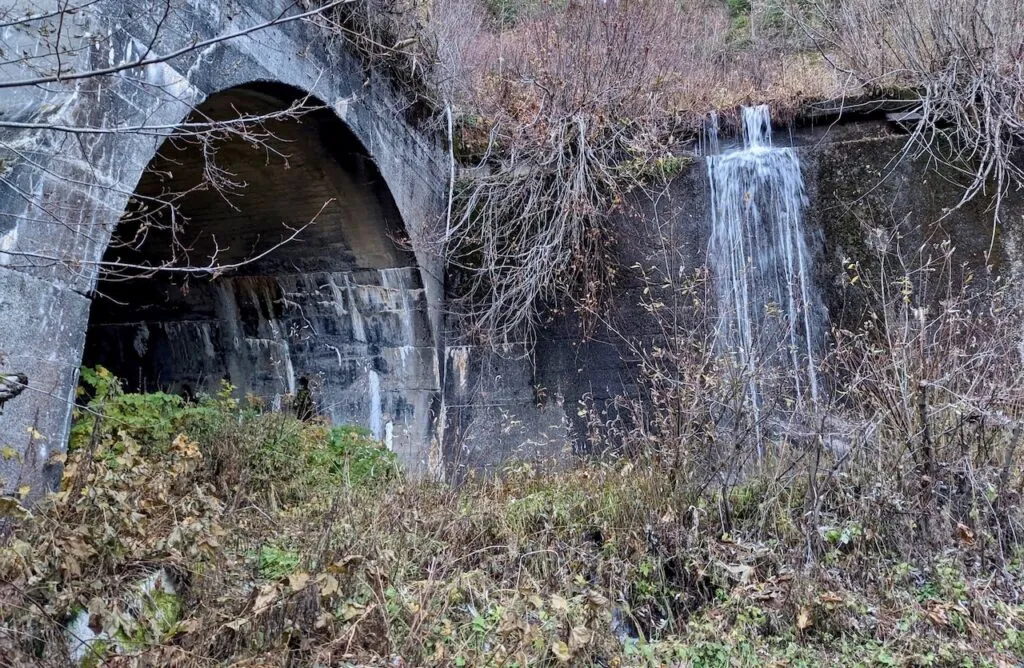
Iron Goat Trail History: Exploring the Legacy of the Great Northern Railway
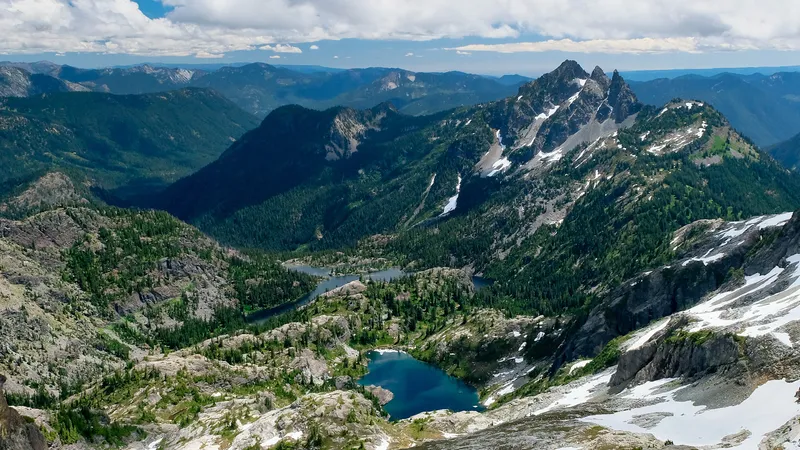
Things to Do Near Skykomish, Washington
