
Yes, Mount St. Helens is definitely a volcano in the Cascade Range! This iconic peak stands as one of the most active volcanoes in the Cascade Range, a mountain chain extending from British Columbia through Washington and Oregon. Located in southwestern Washington state, Mount St. Helens gained worldwide attention during its catastrophic eruption on May 18, 1980, which was one of the most powerful volcanic explosions ever recorded in North America.
Unlike many of its neighboring peaks, Mount St. Helens is relatively young in geological terms. It formed only within the past 40,000 years, with its pre-1980 eruption summit cone beginning to rise about 2,200 years ago. The volcano operates through a complex magmatic system, primarily producing explosive dacite eruptions throughout its 275,000-year geologic history.
Find available hotels and vacation homes instantly. No fees, best rates guaranteed!
Check Availability Now
The 1980 eruption dramatically changed the mountain’s appearance and the surrounding landscape, killing 57 people and thousands of animals. Today, visitors to Washington’s Cascade Mountains can witness the remarkable recovery of the ecosystem while exploring numerous hiking trails that showcase the raw power of nature’s most impressive forces, much like the historic paths that wind through other parts of Washington’s majestic mountain ranges.
Geological Significance of Mount St. Helens
Mount St. Helens stands as one of North America’s most scientifically important volcanic sites. Its dynamic history and unique features have provided researchers with valuable insights into volcanic processes and their effects on surrounding landscapes.
Volcanic Structure and Composition
Mount St. Helens is a stratovolcano in Washington state, characterized by steep, symmetrical slopes built up through multiple eruptions. This cone-shaped mountain consists of alternating layers of hardened lava flows, volcanic ash, and other eruptive materials that accumulated over its 275,000-year history.
The volcano’s magma chemistry varies, producing three main rock types: dacite, andesite, and basalt. Dacite is the most common, creating thick, sticky lava that often forms lava domes within the crater. These domes grow slowly as new magma pushes upward from below.
Before the famous 1980 eruption, Mount St. Helens reached an elevation of 9,677 feet, making it the fifth highest peak in the Cascade Range. The current crater spans about 2 miles wide with a 1,700-foot-deep basin.
Historical Eruptions and Volcanism
Mount St. Helens has the highest eruption probability among all volcanoes in the continental United States. Its most dramatic moment came on May 18, 1980, when a massive lateral blast destroyed the mountain’s northern flank.
This catastrophic event triggered a series of powerful changes:
- The mountain’s height decreased by 1,300 feet
- A debris avalanche traveled over 14 miles
- Pyroclastic flows reached temperatures of 1,300°F
- Mudflows (lahars) rushed down river valleys
Before 1980, Mount St. Helens experienced several active periods dating back thousands of years. Indigenous peoples called it “Louwala-Clough” or “smoking mountain,” reflecting its long history of activity.
Recent activity includes dome-building eruptions between 2004 and 2008, showing that the volcano remains active beneath its peaceful exterior.
Mount St. Helens and the Cascade Range Ecosystem
The volcanic activity at Mount St. Helens has profoundly shaped the surrounding ecosystem. The 1980 eruption created a natural laboratory for studying ecological recovery and succession.
Ash and debris deposits altered soil chemistry across thousands of acres, creating unique growing conditions for pioneering plants. Some areas received nutrients that eventually enhanced forest growth, while others remained barren for years.
Erosion continues to reshape the landscape as water and wind carry volcanic material downstream. This process creates new habitats and deposits minerals throughout the watershed.
Glaciers that once capped the mountain were largely destroyed in 1980, though new ones have begun forming in the sheltered crater. These small glaciers interact with volcanic heat, creating interesting geological features like ice caves.
Hikers exploring the Pacific Northwest can witness this volcanic history firsthand, with trails like the Iron Goat offering views of the Cascade Range’s geological forces that have shaped the region’s distinctive landscape.
Impact of 1980 Eruptive Event
The 1980 eruption of Mount St. Helens transformed our understanding of volcanic activity and left lasting impacts on both the surrounding environment and scientific knowledge. This cataclysmic event became a pivotal moment in modern volcanology.
Precursors and Seismic Activity
Mount St. Helens showed warning signs months before its major eruption. Beginning on March 16, 1980, the volcano experienced a series of small earthquakes that caught scientists’ attention. Over the next two months, more than 10,000 earthquakes were detected as magma pushed upward through the mountain.
By May 17, a visible bulge had grown outward by 450 feet on the mountain’s north flank. This dramatic deformation happened as pressure built inside the volcano. The U.S. Geological Survey monitored these developments, but the technology available in 1980 couldn’t fully predict what was coming.
These precursors ultimately led to one of the most studied volcanic events in history, providing valuable data that helps scientists today identify warning signs at other volcanoes.
The Eruption’s Immediate Effects
On May 18, 1980, at 8:32 a.m., a magnitude 5.1 earthquake triggered a massive landslide on the mountain’s bulging north side. This sudden removal of pressure allowed superheated gases and magma to explode laterally rather than vertically.
The blast destroyed 230 square miles of forest in minutes. Pyroclastic flows – scalding mixtures of gas and volcanic matter – moved at hurricane speeds, flattening trees like matchsticks. The temperature of these flows exceeded 800°F.
Lahars and mudflows surged down valleys, carrying debris for miles. The eruption sent an ash cloud 15 miles high, which circled the globe and dropped ash across 11 states. The immediate devastation claimed 57 lives and destroyed 250 homes, along with numerous bridges and roads.
Long-Term Environmental and Societal Impact
The eruption created a stark moonscape where lush forests once stood. However, this devastation provided an unprecedented opportunity to study ecological recovery. Plants and animals began returning to the blast zone faster than scientists expected, with some life surviving in pockets protected by snow or landscape features.
The eruptive activity changed how we live with active volcanoes. It revolutionized volcanic monitoring systems and eruption prediction capabilities. The disaster also led to better emergency response planning for communities near volcanoes.
Today, Mount St. Helens is a living laboratory. Visitors can witness the remarkable recovery taking place and learn about volcanic processes at the Mount St. Helens National Volcanic Monument, established in 1982. For those exploring Washington’s natural wonders, this monument makes an educational complement to hiking the nearby Iron Goat Trail, which offers its own lessons in local history and natural resilience.
Find available hotels and vacation homes instantly. No fees, best rates guaranteed!
Check Availability Now
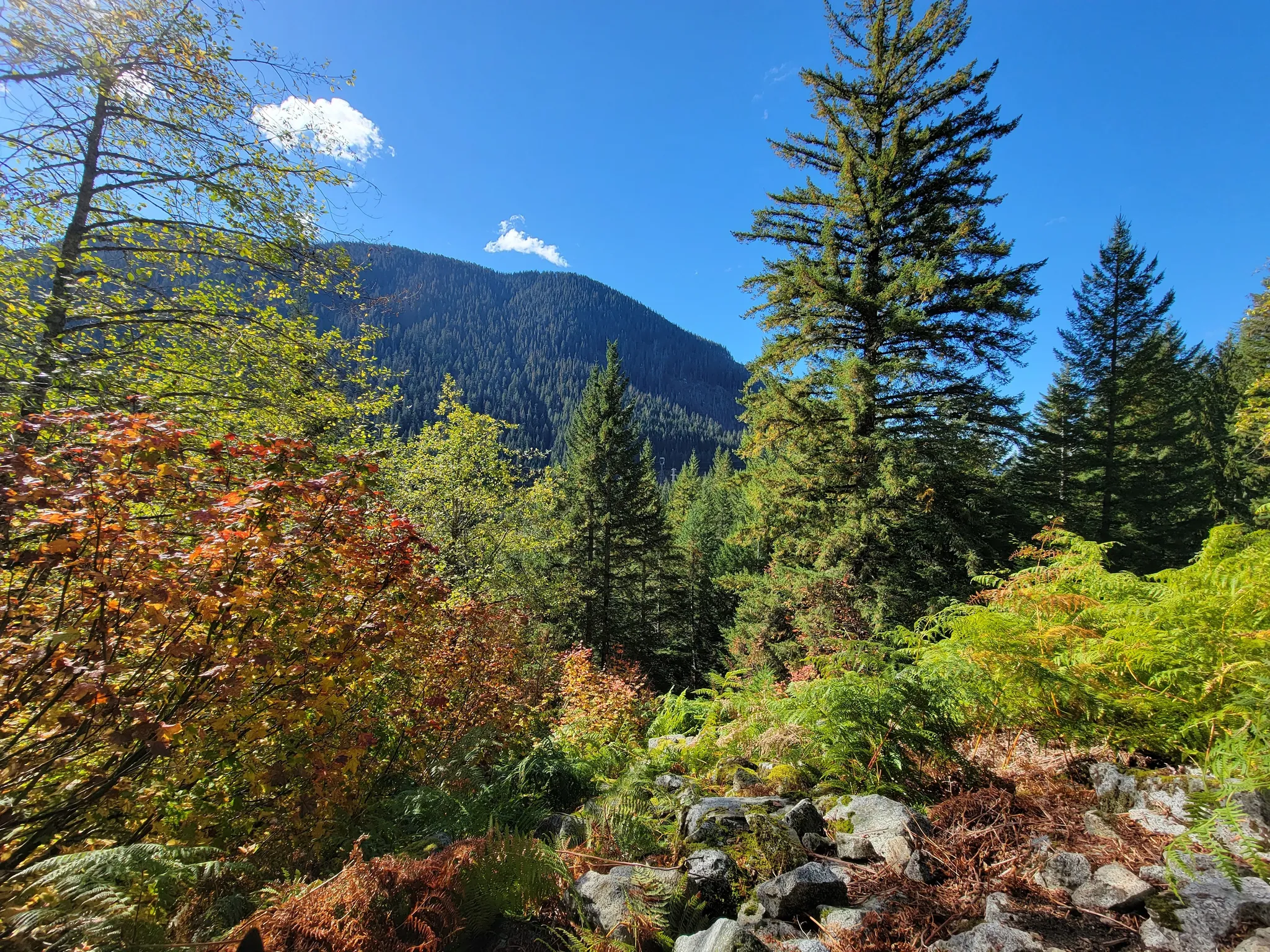
Iron Goat Trail Hiking Guide: Exploring Washington’s Scenic Railway Path
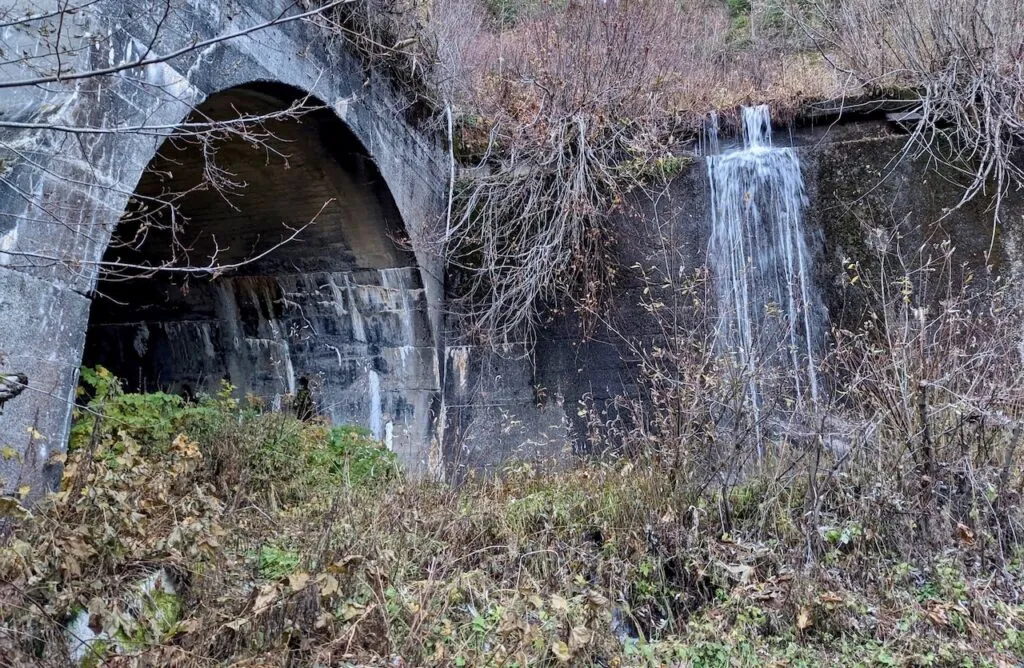
Iron Goat Trail History: Exploring the Legacy of the Great Northern Railway
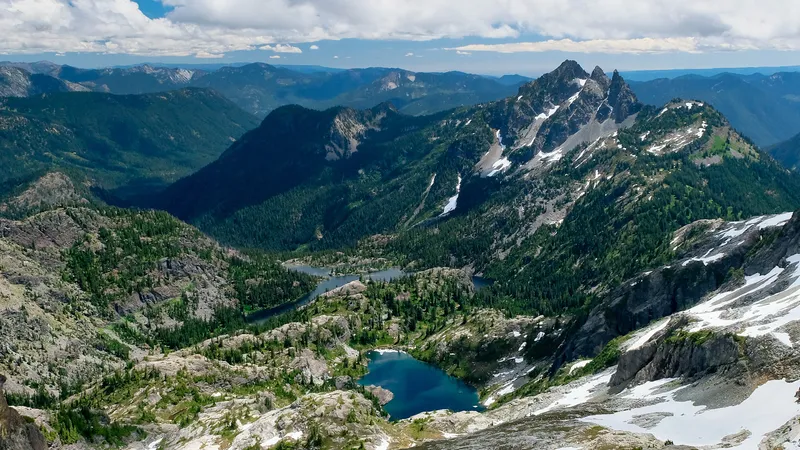
Things to Do Near Skykomish, Washington
