
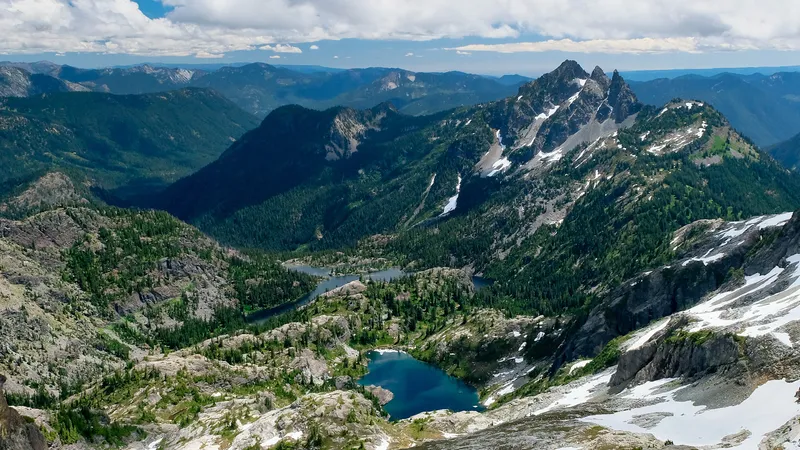
The Cascade Mountain Range stretches over 1,100 kilometers from British Columbia through Washington, Oregon, and into Northern California, creating one of North America’s most stunning geographic features. The Cascades are home to some of the most impressive volcanoes in the Pacific Northwest, including Mount Rainier, which towers at 4,392 meters as the highest peak in the range. The mountains are part of the Pacific Ring of Fire, with five active volcanoes that remind us of the powerful geological forces that shaped this magnificent landscape.
What makes the Cascades truly special is the incredible diversity of ecosystems packed into this mountain range. From lush rainforests on the western slopes to drier pine forests on the eastern side, the range hosts numerous lakes, including Crater Lake, the deepest lake in the United States. Wildlife thrives in these varied habitats, with creatures like black bears, mountain goats, and spotted owls finding refuge in the ancient forests and alpine meadows.
Find available hotels and vacation homes instantly. No fees, best rates guaranteed!
Check Availability Now
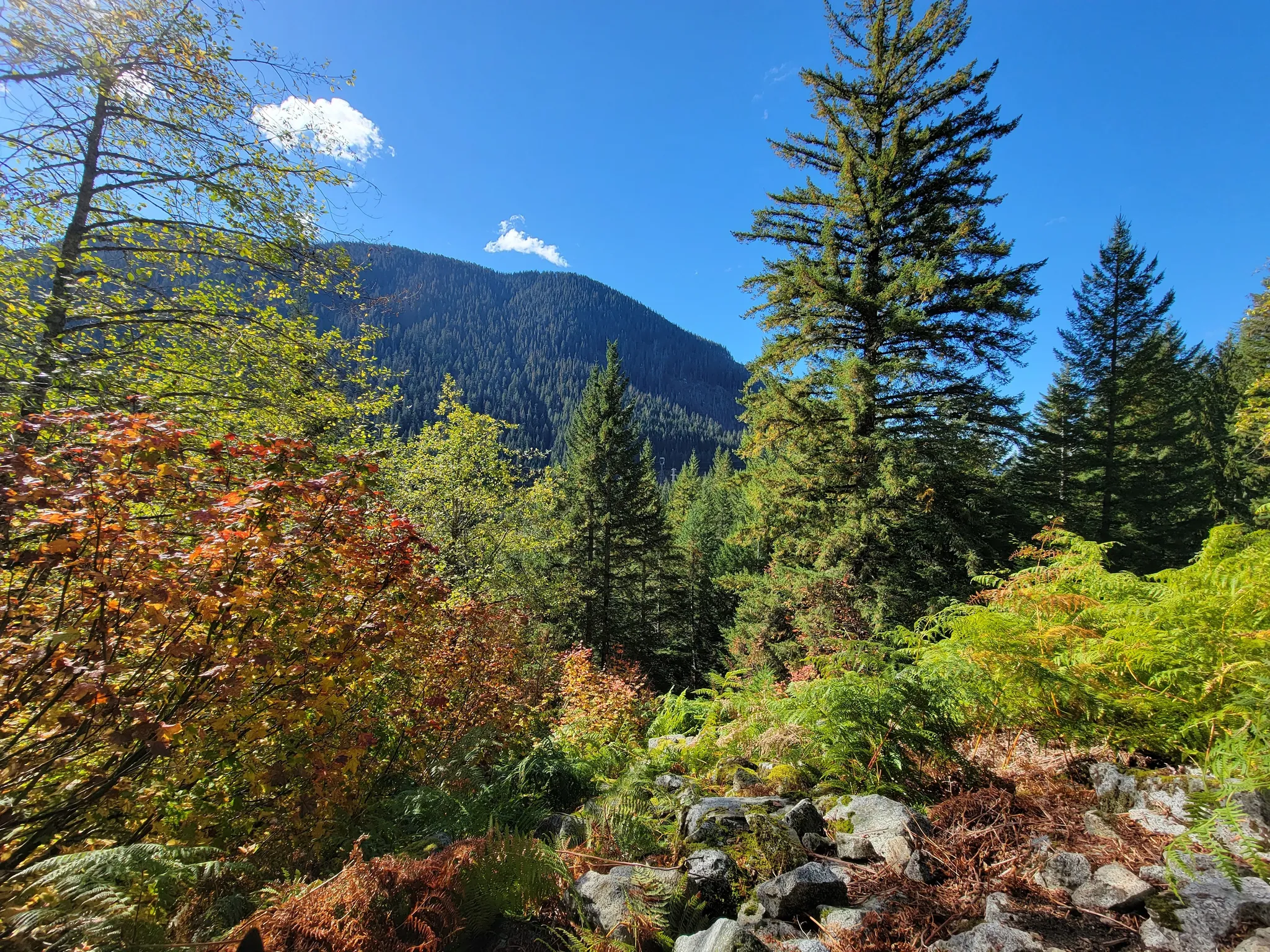
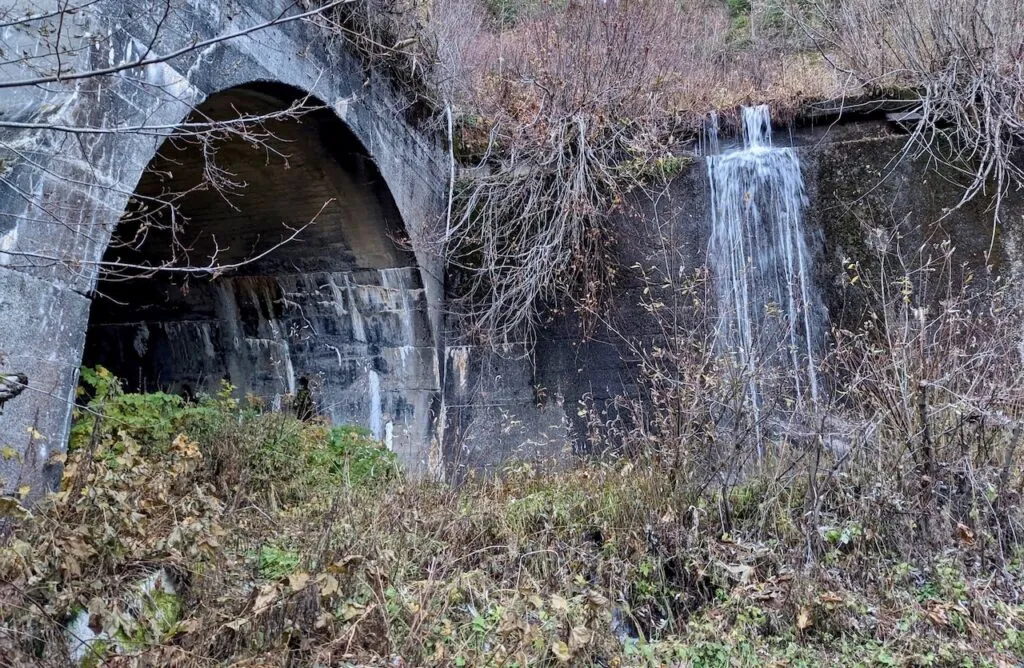
Visitors seeking adventure in the Cascades can explore countless trails, including the historic Iron Goat Trail in Washington. This trail follows the old Great Northern Railway route, offering hikers a chance to experience both natural beauty and railroad history while walking in the shadow of these majestic mountains. The changing seasons paint the Cascades in different colors, making every visit a unique experience in this ever-changing wilderness.
Geological Marvels and Volcanic Activity
The Cascade Mountain Range showcases nature’s most powerful geological forces through its dramatic volcanoes, glacial features, and ever-changing landscape. This dynamic mountain system represents one of North America’s most geologically active regions.
Formation and Structure
The Cascade Range formed through a process called subduction, where the Juan de Fuca Plate slides beneath the North American Plate. This ongoing collision creates intense pressure and heat that generates magma. The mountain range stretches approximately 700 miles from northern California through Oregon and Washington into British Columbia.
This subduction zone has been active for about 36 million years, creating the distinct volcanic peaks we see today. The mountains don’t form a single line but rather a belt about 60-80 miles wide in most places.
The western slopes receive abundant rainfall from the Pacific Ocean, while the eastern sides remain in a rain shadow. This contrast creates diverse ecosystems throughout the range.
Geologists divide the Cascades into two distinct sections: the older, more eroded Western Cascades and the younger, more volcanic High Cascades.
The Pacific Ring of Fire and Volcanism
The Cascades form a crucial segment of the Pacific Ring of Fire, a 25,000-mile horseshoe of intense seismic activity encircling the Pacific Ocean. This positioning explains why the range hosts so many active and dormant volcanoes.
Volcanic activity in the Cascades typically produces andesitic lava, which is thicker than the basaltic lava found in Hawaii. This thicker lava creates steeper, more dramatic volcanic cones rather than shield volcanoes.
The Cascade volcanoes have erupted hundreds of times over the last 4,000 years. Recent significant eruptions include Mount St. Helens in 1980 and Lassen Peak in 1914-1917.
Volcanic soils in the region are remarkably fertile, supporting diverse plant communities and productive agriculture in surrounding valleys.
Famous Volcanic Peaks
Mount St. Helens remains the most famous Cascade volcano after its catastrophic 1980 eruption that killed 57 people and dramatically altered the landscape. The blast removed 1,300 feet from the mountain’s summit.
Mount Rainier, standing at 14,411 feet, is the highest peak in the Cascade Range and considered one of the most dangerous volcanoes in the world due to its proximity to populated areas.
Crater Lake in Oregon formed approximately 7,700 years ago when Mount Mazama collapsed following a massive eruption. At 1,943 feet deep, it’s the deepest lake in the United States.
Other notable peaks include Mount Hood (Oregon’s highest), Mount Baker, and Glacier Peak. Mount Shasta features the largest volcanic debris avalanche ever documented.
Glaciers and Glacial Features
The Cascades host hundreds of glaciers, with Mount Rainier alone supporting about 25 major ice flows. These glaciers sculpt the mountains and provide crucial water sources for nearby communities.
Climate change threatens these glacial features, with many retreating at accelerating rates. Some smaller glaciers have disappeared entirely over the past century.
Alpine glaciers carved distinctive U-shaped valleys throughout the range. Meltwater from these glaciers feeds major river systems across Washington, Oregon, and northern California.
Hikers exploring trails like the Iron Goat Trail in Washington can observe both volcanic and glacial landforms. The trail winds beneath dramatic peaks shaped by these powerful geological forces, offering visitors a chance to experience the geological history of the Cascades up close.
Natural Ecosystems and Human Impact
The Cascade Mountains support incredibly diverse ecosystems shaped by volcanic activity and varying climate patterns. These mountains serve as crucial habitats for unique wildlife while also providing valuable resources that have attracted human settlement and recreation throughout history.
Flora and Fauna
The Cascade Range hosts remarkable biodiversity across its varied elevations. Dense evergreen forests dominate lower elevations, featuring Douglas fir, western hemlock, and western red cedar trees. These forests create habitats for numerous wildlife species.
Black bears, cougars, and elk roam throughout the range. The northern spotted owl, once endangered, still finds refuge in old-growth sections. Mountain goats navigate steep terrain with remarkable agility.
Alpine meadows burst with colorful wildflowers during brief summer months. These include lupines, paintbrush, and avalanche lilies creating spectacular displays.
Salmon species struggle upstream in countless rivers, demonstrating nature’s resilience. Their lifecycle connects mountain ecosystems to ocean environments in a vital ecological cycle.
Unique microclimates throughout the range create specialized habitats. Some plant species exist nowhere else on Earth!
Climate and Weather Patterns
The Cascade Mountains create a dramatic rain shadow effect. Western slopes receive abundant precipitation, often exceeding 100 inches annually, while eastern areas may get less than 10 inches.
Winter brings heavy snowfall, sometimes accumulating over 500 inches at higher elevations. This snowpack acts as a natural reservoir, slowly releasing water throughout warmer months.
Summer temperatures vary significantly between elevations. Lower areas might reach 80°F while mountaintops remain cool and often snow-covered year-round.
Weather can change rapidly in mountain environments. Afternoon thunderstorms frequently develop during summer months, creating potential hazards for hikers and climbers.
Climate change increasingly affects these patterns. Diminishing snowpacks, earlier spring melts, and more intense weather events are becoming common concerns for ecosystem health.
Human Activities and Conservation
Indigenous peoples lived sustainably in the Cascades for thousands of years before European settlement. Their traditional knowledge recognized the delicate balance of mountain ecosystems.
Logging significantly altered forest composition throughout the 20th century. Old-growth forests declined dramatically, though sustainable practices have improved in recent decades.
Hydroelectric dams harness the power of cascading waters, providing clean energy but disrupting fish migration patterns. Fish ladders and other mitigation efforts attempt to balance these impacts.
Conservation efforts protect substantial portions of the range. North Cascades, Mount Rainier, and Crater Lake National Parks preserve critical habitats from development.
Urban growth in Seattle, Portland, and smaller communities increases pressure on surrounding wilderness. Growing populations seek both resources and recreation from these mountains.
Recreation and Adventure
Hiking trails crisscross the Cascades, offering adventures for all skill levels. The Pacific Crest Trail travels the range’s spine for over 700 miles, attracting thousands of hikers annually.
Winter transforms the mountains into snow sports paradises. Popular ski resorts operate alongside backcountry areas for those seeking solitude and untracked powder.
Mountain lakes provide swimming and fishing opportunities during summer months. Their pristine waters reflect surrounding peaks in mirror-like clarity.
Wildlife viewing draws nature enthusiasts year-round. Visitors might spot eagles, deer, and occasionally more elusive creatures like wolves or wolverines.
Historical trails like the Iron Goat Trail combine natural beauty with cultural significance. Hikers can explore old railway routes while enjoying lush forests and spectacular mountain views, making them perfect for those who appreciate both adventure and history.
Find available hotels and vacation homes instantly. No fees, best rates guaranteed!
Check Availability Now
Iron Goat Trail Hiking Guide: Exploring Washington’s Scenic Railway Path
Iron Goat Trail History: Exploring the Legacy of the Great Northern Railway
Things to Do Near Skykomish, Washington
