
Oregon is home to several impressive volcanoes that form part of the Pacific Northwest’s stunning landscape. These natural wonders have shaped the region’s geography and continue to fascinate scientists and visitors alike. The Cascade Range runs through the state, creating a backbone of volcanic peaks that remind us of Earth’s powerful geological forces.
Newberry Volcano is the largest active volcano in Oregon, stretching across approximately 1,200 square miles in the central part of the state. This massive shield-shaped stratovolcano sits about 20 miles south of Bend and features Paulina Peak as its highest point. Unlike the conical shape many people picture when thinking of volcanoes, Newberry spreads out broadly across the landscape, demonstrating the diverse forms volcanic activity can take.
Find available hotels and vacation homes instantly. No fees, best rates guaranteed!
Check Availability Now
The U.S. Geological Survey closely monitors Oregon’s volcanoes, as the state is positioned along the Ring of Fire where volcanic activity is common. While hiking through Oregon’s volcanic landscapes offers breathtaking views similar to those found on the Iron Goat Trail in Washington, each volcanic area tells its own unique story of the region’s fiery past and potential future activity.
Geological Features of Newberry Volcano
Newberry Volcano stands as a geological marvel in central Oregon with unique features that make it the largest volcano in the Cascade Volcanic Arc. Its massive shield structure and diverse volcanic deposits tell a story spanning hundreds of thousands of years.
Volcanic Composition and Structure
Newberry Volcano is a broad shield-shaped composite volcano covering an impressive 1,200 square miles—roughly the size of Rhode Island! This massive formation rises to its highest point at Paulina Peak. Unlike typical volcanoes, Newberry combines elements of both a shield volcano and a stratovolcano, giving it a unique geological classification.
The volcano features a 4-5 mile wide caldera at its summit, which contains two beautiful lakes: Paulina Lake and East Lake. These lakes are separated by a volcanic flow called the Central Pumice Cone.
Numerous cinder cones dot the volcano’s flanks, with over 400 vents across the entire structure. The volcano’s composition is remarkably diverse, with lava flows ranging from basalt to rhyolite—showing how the magma chemistry has changed over time.
Historical Volcanic Activity
Newberry’s eruptive history spans approximately 500,000 years, with the most recent significant activity occurring about 1,300 years ago. During its active periods, Newberry produced ash, tephra, pyroclastic flows, and lava flows of varying compositions.
A major explosive eruption about 75,000 years ago created the large volcanic depression now known as Newberry Caldera. This catastrophic event dramatically reshaped the volcano’s summit.
The Big Obsidian Flow, a prominent geological feature, formed just 1,300 years ago. This glossy black lava flow covers about one square mile and is 200 feet thick in some places!
Scientists with the U.S. Geological Survey closely monitor Newberry as it remains an active volcano. While it slumbers now, geothermal features in the caldera indicate magma still exists below the surface.
Human and Ecological Impact
Newberry Volcano’s massive presence in Oregon influences both natural systems and human activities in significant ways. Its geological features shape the surrounding environment while creating spaces for recreation and posing unique hazards that require careful management.
Environmental Effects and Climate
Newberry Volcano significantly impacts the local climate and ecosystem of central Oregon. The volcano’s elevated terrain creates distinct microclimates that affect precipitation patterns, with some areas receiving more rainfall than surrounding regions.
The volcanic soils around Newberry are rich in minerals that support diverse plant communities. Pumice deposits from past eruptions have created unique growing conditions for specialized plant species.
Wildlife thrives in these volcanic landscapes. Numerous animal species have adapted to the varied habitats found on and around the volcano, from forested slopes to high-altitude environments.
Glaciers and snowmelt from the volcano feed important waterways. These water sources sustain downstream ecosystems and provide irrigation for agricultural areas in the High Lava Plains region.
Climate change is affecting the volcano’s glaciers and snow cover. Reduced snowpack in recent years has implications for water availability and local ecology.
Recreational Activities and Tourism
Newberry Volcano has become a popular destination for outdoor enthusiasts. Its diverse landscape offers year-round activities for visitors of all skill levels.
Hiking trails wind through the volcano’s varied terrain, allowing visitors to explore lava flows, crater lakes, and forested areas. Many trails provide interpretive information about the volcano’s geology and ecology.
Recreational activities include:
- Hiking and backpacking
- Mountain biking
- Bird watching and wildlife photography
- Fishing in crater lakes
- Winter sports including cross-country skiing
The Newberry National Volcanic Monument protects much of the volcano while providing visitor facilities. Educational programs at the monument teach visitors about volcanic processes and local natural history.
Risk Management and Preparedness
The U.S. Geological Survey monitors Newberry Volcano as part of its volcano hazard program. Scientists track seismic activity, ground deformation, and gas emissions to detect early warning signs of potential eruptions.
Newberry has been assigned a specific threat level based on its eruptive history and proximity to populated areas. This assessment helps determine the resources allocated for monitoring and emergency planning.
Local communities have developed emergency response plans specifically for volcanic hazards. These plans include evacuation routes, communication systems, and coordination among different agencies.
Public education campaigns help residents understand volcanic risks. Informational materials explain warning signs, safety procedures, and preparation strategies for possible volcanic events.
Seismic activity in the region is closely monitored as it can indicate magma movement. Small earthquakes are common and often serve as important data points for scientists studying the volcano’s behavior.
Find available hotels and vacation homes instantly. No fees, best rates guaranteed!
Check Availability Now
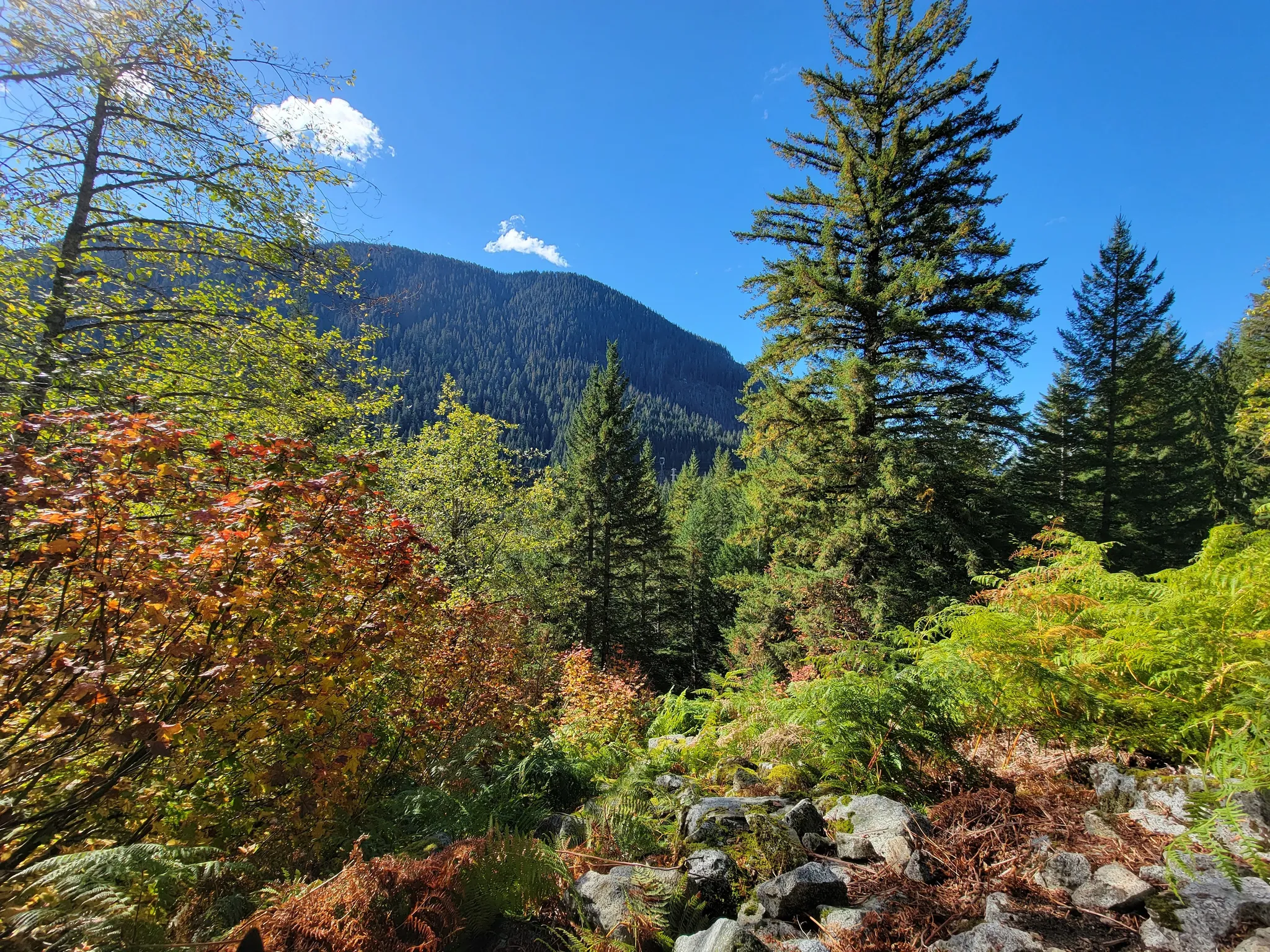
Iron Goat Trail Hiking Guide: Exploring Washington’s Scenic Railway Path
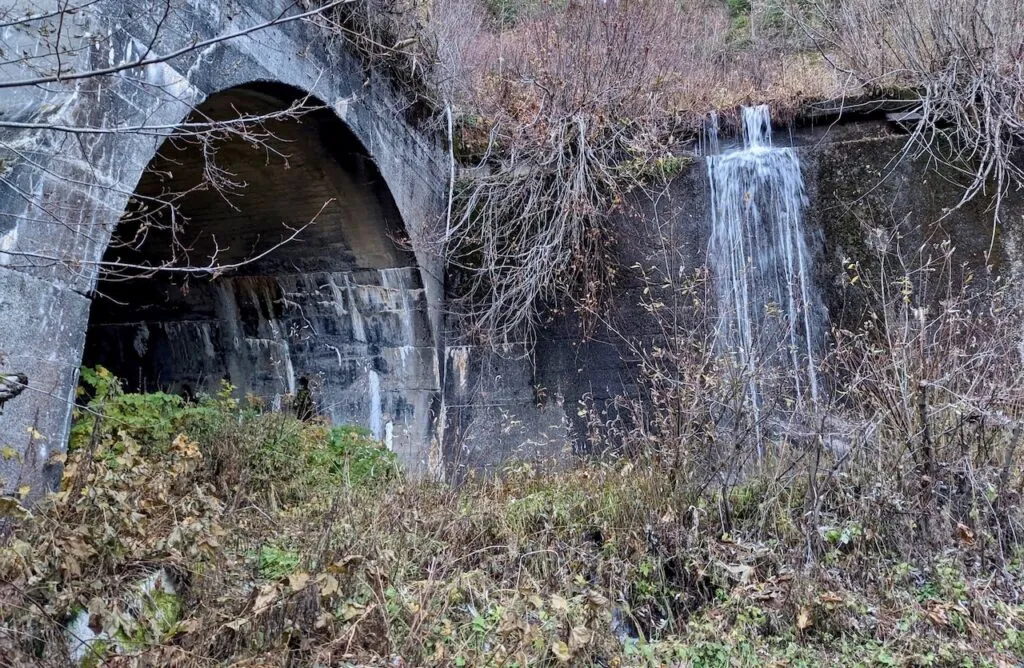
Iron Goat Trail History: Exploring the Legacy of the Great Northern Railway
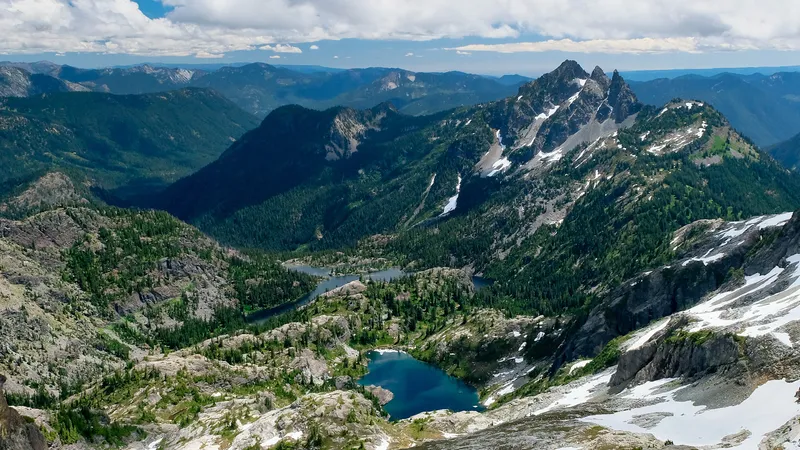
Things to Do Near Skykomish, Washington
