
The majestic Cascade Range, stretching from northern California to British Columbia, was home to numerous Native American tribes long before European settlers arrived. The modern-day Sauk-Suiattle, Nlaka’pamux, Upper Skagit, Chelan, and Okanagan people are the descendants of the ancient tribes who lived, hunted, fished, gathered plants, and traded across the Cascade range for thousands of years before colonization. These Indigenous Peoples developed deep connections to the mountains, forests, and rivers that defined their territories.
Life in the Cascades demanded resilience and adaptability. Native Americans in this region were primarily hunters, fishers, and gatherers who created seasonal patterns of movement to make the most of available resources. While permanent villages weren’t typically established high in the mountains, tribes like the Molalla lived in the foothills and interacted heavily with neighboring groups through trade and marriage. Today, visitors to places like the Iron Goat Trail in Washington can walk through landscapes once traversed by these original stewards of the Pacific Northwest, gaining a deeper appreciation for the rich cultural heritage that continues to influence the region.
Find available hotels and vacation homes instantly. No fees, best rates guaranteed!
Check Availability Now
Tribes and Cultural Regions
The Cascade Range has been home to diverse Native American tribes whose cultures were shaped by the mountains, rivers, and forests that define this region. These groups developed unique traditions while sharing common practices related to their environments.
Coast Salish and Their Influence
The Coast Salish peoples occupied territories west of the Cascade Range, extending from Puget Sound into parts of British Columbia. This cultural group includes the Lummi, Nooksack, Upper Skagit, Snohomish, Swinomish, and Samish tribes.
These communities mastered maritime skills, crafting dugout canoes from massive cedar trees. These vessels were essential for fishing, travel, and trade along coastal waterways.
Coast Salish tribes developed sophisticated fishing techniques to harvest salmon, shellfish, and other marine resources. Their seasonal rounds included gathering berries, roots, and medicines in the lower Cascade foothills.
Cedar played a central role in Coast Salish life beyond transportation. They used this versatile material to build longhouses, weave baskets, and create ceremonial items that reflected their spiritual connections to the land.
Interior Tribes of the Cascades
The eastern slopes and interior valleys of the Cascades were home to several distinct tribal groups including the Wenatchee, Thompson (Nlaka’pamux), and various bands now part of the Colville Confederated Tribes.
These interior communities adapted to more extreme seasonal changes, developing mobile lifestyles that followed resource availability throughout the year.
Hunting deer, elk, and mountain goats provided essential protein, while gathering huckleberries, roots, and medicinal plants supplemented their diets. Many interior groups traveled to high mountain meadows during summer months.
Trade routes crisscrossed the Cascade Range, allowing interior and coastal groups to exchange goods. Obsidian, dried salmon, and shells moved through these networks, creating cultural connections across geographic boundaries.
The Warm Springs, Yakama, and Nez Perce treaty tribes maintained traditional gathering areas throughout the Cascades, places their descendants still visit today.
Influence of Rivers and Fishing
Rivers flowing from the Cascades – especially the Columbia, Skagit, and Willamette – shaped tribal territories and cultural practices. These waterways served as both boundaries and highways connecting diverse communities.
Salmon defined many tribal economies and spiritual practices. Annual fish runs provided critical sustenance, with tribes developing specialized techniques for catching, preserving, and storing this vital resource.
Fishing sites along cascade rivers became important gathering places where tribes conducted trade, shared news, arranged marriages, and performed ceremonies. Many of these locations remain culturally significant today.
The Chinookan peoples dominated the Columbia River corridor, controlling crucial fishing spots at narrows and falls. Their influence spread through extensive trade networks stretching from the coast into the mountains.
Today, tribal members maintain connections to traditional fishing sites throughout the Cascades. When hiking trails like the Iron Goat in Washington’s Stevens Pass area, visitors often cross paths with lands once traveled by Native peoples gathering resources from these mountains.
Interactions with Settlers and Modern Developments
Native tribes of the Cascade Range experienced profound changes as European and American settlers arrived in the Pacific Northwest. Their relationships evolved from initial trade partnerships to complex conflicts over land and resources, leading to today’s ongoing efforts to preserve cultural heritage.
Early Contact with Explorers and Settlers
The first European explorers encountered Cascade Range tribes in the late 18th century, establishing trade relationships centered on fur, food, and other goods. Tribes like the Yakama, Warm Springs, and Klickitat often served as guides through the mountain passes and dense forests.
As American settlers arrived via the Oregon Trail, tensions grew over land use. The mid-1800s brought miners, loggers, and farmers who viewed the Cascades as resources to exploit rather than ancestral homelands.
Henry Custer’s expeditions through the North Cascades in the 1850s documented tribal territories but also opened pathways for further settlement. Disease spread rapidly, devastating tribal populations that had no immunity to European illnesses.
Treaties signed between 1854-1855 forced many tribes onto reservations far from their traditional mountain territories. The Warm Springs Reservation and Grand Ronde Reservation became home to numerous displaced Cascade peoples.
Economic Transition and Tribal Governments
Traditional economies based on hunting, fishing, and gathering gave way to new realities as tribes adapted to reservation life. Many tribal members found work in:
- Logging operations
- Commercial fishing
- Agricultural labor
- Railroad construction
The potlatch system, once central to distributing wealth and maintaining status among Northwest tribes, faced government suppression. Traditional clothing made from animal skins was gradually replaced by European textiles.
Tribal governments evolved to navigate complex relationships with state and federal authorities. By the mid-20th century, tribes began asserting sovereignty and fighting for fishing and hunting rights guaranteed by earlier treaties.
Economic development initiatives on reservations helped create new opportunities. Tribes in Washington State established businesses ranging from casinos to sustainable forestry operations that honored traditional environmental values.
Preservation of Culture and Lands
Today, Cascade Range tribes focus intensely on cultural preservation. Language revitalization programs work to save endangered Native languages through immersion schools and elder knowledge-keepers.
Traditional practices like basketry, storytelling, and seasonal ceremonies continue in communities throughout Oregon and Washington. Many tribes conduct cultural activities on ancestral lands within North Cascades National Park through special agreements.
The establishment of tribal museums and cultural centers helps educate both tribal youth and the general public about Native history and ongoing presence in the Cascades. Traditional ecological knowledge informs modern conservation efforts throughout the range.
Tribal collaboration with government agencies has led to co-management of resources in places like the Willamette Valley and Oregon Coast. Former permanent village sites are now protected archaeological treasures that help document thousands of years of human history.
Visitors to the Iron Goat Trail in Washington can learn about the Skykomish people who once traveled these same mountain corridors, offering a tangible connection to the region’s first inhabitants.
Find available hotels and vacation homes instantly. No fees, best rates guaranteed!
Check Availability Now
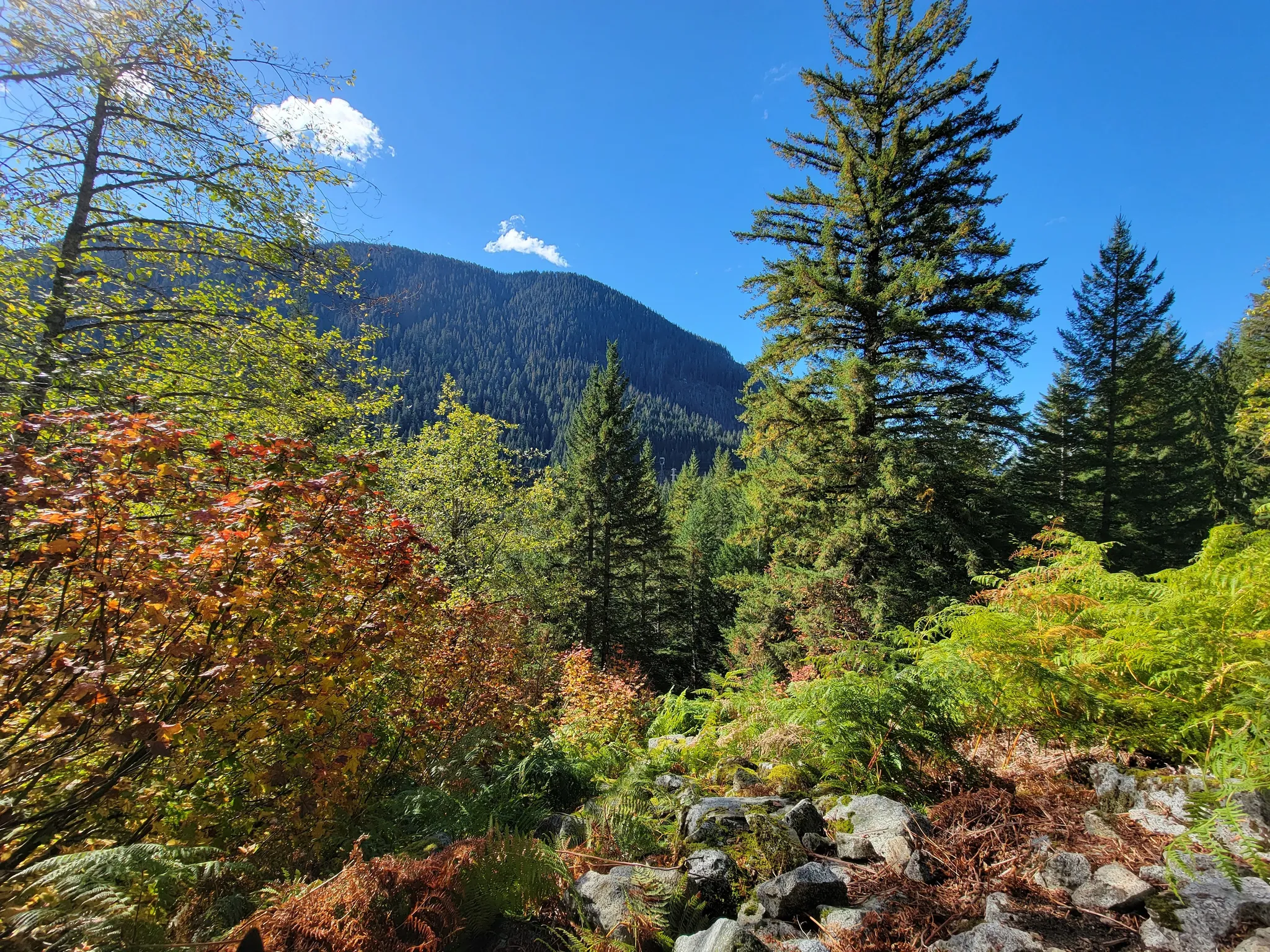
Iron Goat Trail Hiking Guide: Exploring Washington’s Scenic Railway Path
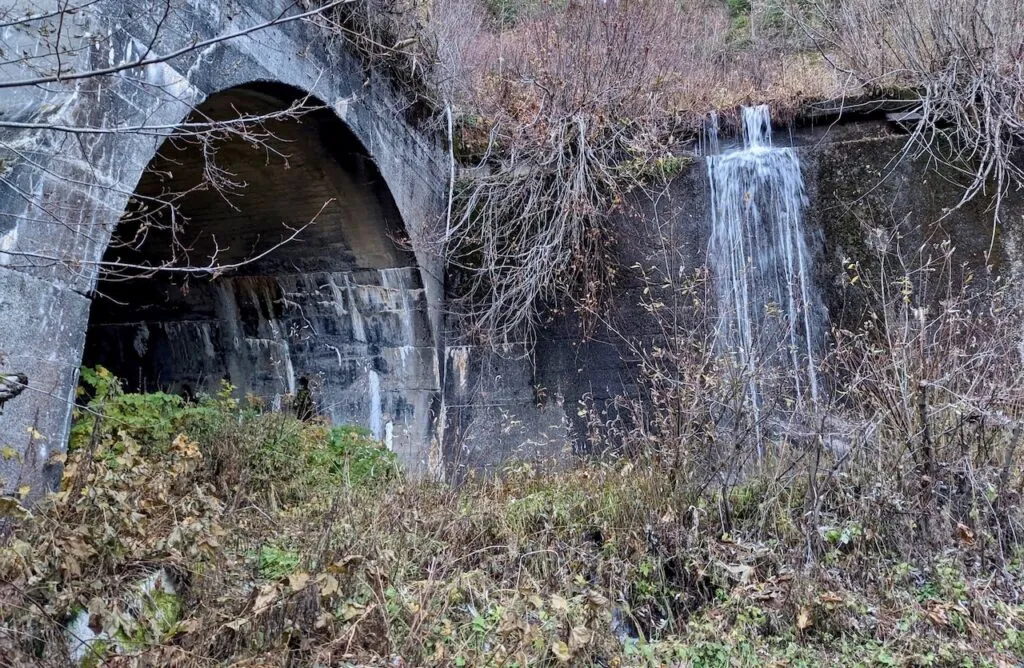
Iron Goat Trail History: Exploring the Legacy of the Great Northern Railway
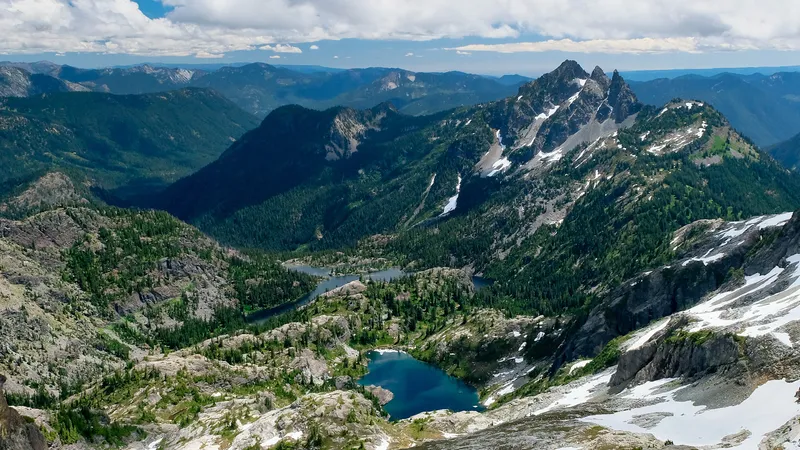
Things to Do Near Skykomish, Washington
