
When it comes to volcanoes in Oregon, most people think of Mount Hood or Mount Jefferson. But the volcano most likely to erupt next isn’t even on land. The Axial Seamount, an undersea volcano located about 300 miles west of Cannon Beach, is predicted to erupt before the end of 2025, according to scientists from Oregon State University and the University of North Carolina-Wilmington.
This massive underwater volcano is one of the most active in the Pacific Northwest, having previously erupted in 1998, 2011, and 2015. Rising more than 3,600 feet from the ocean floor, the Axial Seamount has been closely monitored for decades, giving researchers a unique opportunity to forecast volcanic activity with impressive accuracy.
Find available hotels and vacation homes instantly. No fees, best rates guaranteed!
Check Availability Now
For travelers exploring Oregon’s natural wonders, there’s no need to worry about this upcoming eruption. Unlike the violent eruptions that shaped much of the Cascade Range, this underwater event poses no threat to people on land. After admiring Oregon’s volcanic landscape, visitors might consider heading north to Washington’s Iron Goat Trail, where they can hike through another fascinating landscape shaped by the powerful forces of nature.
The Nature of Oregon’s Volcanoes
Oregon sits on a fascinating volcanic landscape shaped by tectonic forces. The state hosts both visible mountain volcanoes and less-known undersea volcanic systems that pose varying levels of eruption risks.
Axial Seamount: A Prominent Undersea Volcano
Axial Seamount is the most active submarine volcano in the Pacific Northwest, located about 300 miles off Oregon’s coast. This massive underwater mountain rises 3,600 feet from the seafloor and is showing increasing signs of activity.
Scientists predict this volcano may erupt by the end of 2025, based on ongoing seismic monitoring. The volcano has been experiencing hundreds of small earthquakes daily, indicating magma movement beneath the surface.
What makes Axial Seamount unique is its predictability. Unlike many volcanoes, researchers can forecast its eruption cycles with impressive accuracy due to advanced monitoring tools tracking seafloor deformation and magma buildup.
Cascadia Subduction Zone and Mount St. Helens
The Cascadia Subduction Zone creates volcanic activity in Oregon as the Juan de Fuca Plate slides beneath the North American Plate. This tectonic interaction forms the Cascade Range volcanoes that line the state.
Mount St. Helens, though technically in Washington, influences Oregon’s volcanic risk assessment as part of the same volcanic system. Its catastrophic 1980 eruption serves as a reminder of the region’s volcanic potential.
Within Oregon itself, Newberry Volcano is classified as “very high threat” by the U.S. Geological Survey. Active for over 530,000 years with eruptions as recent as 1,300 years ago, it represents one of Oregon’s most significant volcanic hazards.
Understanding Oregon’s Submarine Volcanoes
Oregon’s submarine volcanoes form part of a chain extending along the Juan de Fuca Ridge. These underwater systems work differently than their land-based counterparts but can still produce significant geological impacts.
When undersea volcanoes like Axial Seamount erupt, they rarely pose direct threats to human settlements due to their distance and depth. Instead, they create what scientists describe as “nature’s most anticipated underwater fireworks show”.
These submarine eruptions provide valuable research opportunities. Scientists eagerly study these events to better understand magma supply systems, eruption patterns, and potential connections to the broader Cascadia region. For volcano enthusiasts, Oregon’s volcanic features offer fascinating hiking opportunities, though they don’t quite match the historical significance of trails like the Iron Goat in neighboring Washington.
Volcano Monitoring and Eruption Prediction
Scientists have developed remarkable systems to track volcanic activity in Oregon, with the most significant advances focusing on Axial Seamount, an undersea volcano predicted to erupt in 2025. This rare advance warning demonstrates how far monitoring technology has come.
Technological Advances in Real-Time Monitoring
Modern volcano monitoring combines multiple data streams to create accurate forecasts. Seismometers detect tiny earthquakes that signal magma movement, while GPS and tilt meters measure ground inflation as pressure builds below.
Scientists now use artificial intelligence to analyze patterns in seismic data, identifying subtle changes that might escape human observation. These AI systems process vast amounts of real-time data continuously, allowing for quicker responses.
The case of Axial Seamount shows how effective these tools have become. Researchers detected magma chamber inflation and increased seismic activity years before the predicted eruption. This level of early warning is revolutionary in volcanology.
Key Monitoring Tools:
- Seismometers (earthquake detection)
- GPS systems (ground deformation)
- Gas emission sensors
- Thermal imaging
- AI-powered data analysis
Role of the U.S. Geological Survey and Oregon State University
The U.S. Geological Survey (USGS) leads volcanic monitoring efforts nationally, maintaining a network of sensors on Oregon’s volcanic peaks. Their Cascades Volcano Observatory tracks activity across the entire Cascade Range.
Oregon State University researchers complement USGS efforts with specialized research programs. Their geologists collect and analyze samples from past eruptions to better understand future behavior patterns.
Both organizations maintain public alert systems that would provide warnings if Mount Hood or other Cascade volcanoes showed signs of awakening. Their cooperation creates a robust monitoring network that spans from underground sensors to satellite observations.
The Significance of Hydrophones and Underwater Observatories
Underwater volcanoes present unique monitoring challenges that require specialized equipment. Hydrophones—underwater microphones—detect the distinctive sounds of seafloor eruptions and magma movement.
The National Science Foundation funds underwater observatories equipped with these hydrophones, creating a network of listening stations. These devices have proven essential in tracking Axial Seamount’s activity.
Cabled underwater observatories provide constant power and data connections to seafloor instruments. This enables real-time monitoring of areas previously observable only during brief research expeditions.
Scientists can now detect subtle changes in water temperature and chemistry that precede eruptions. This constant stream of data has revolutionized undersea volcano prediction, giving researchers unprecedented insight into these mysterious formations.
Oregon’s volcanic monitoring focuses on the Cascades and offshore seamounts, while similar techniques are used across the volcanic Pacific Northwest, including near recreational areas like the Iron Goat Trail in Washington.
Find available hotels and vacation homes instantly. No fees, best rates guaranteed!
Check Availability Now
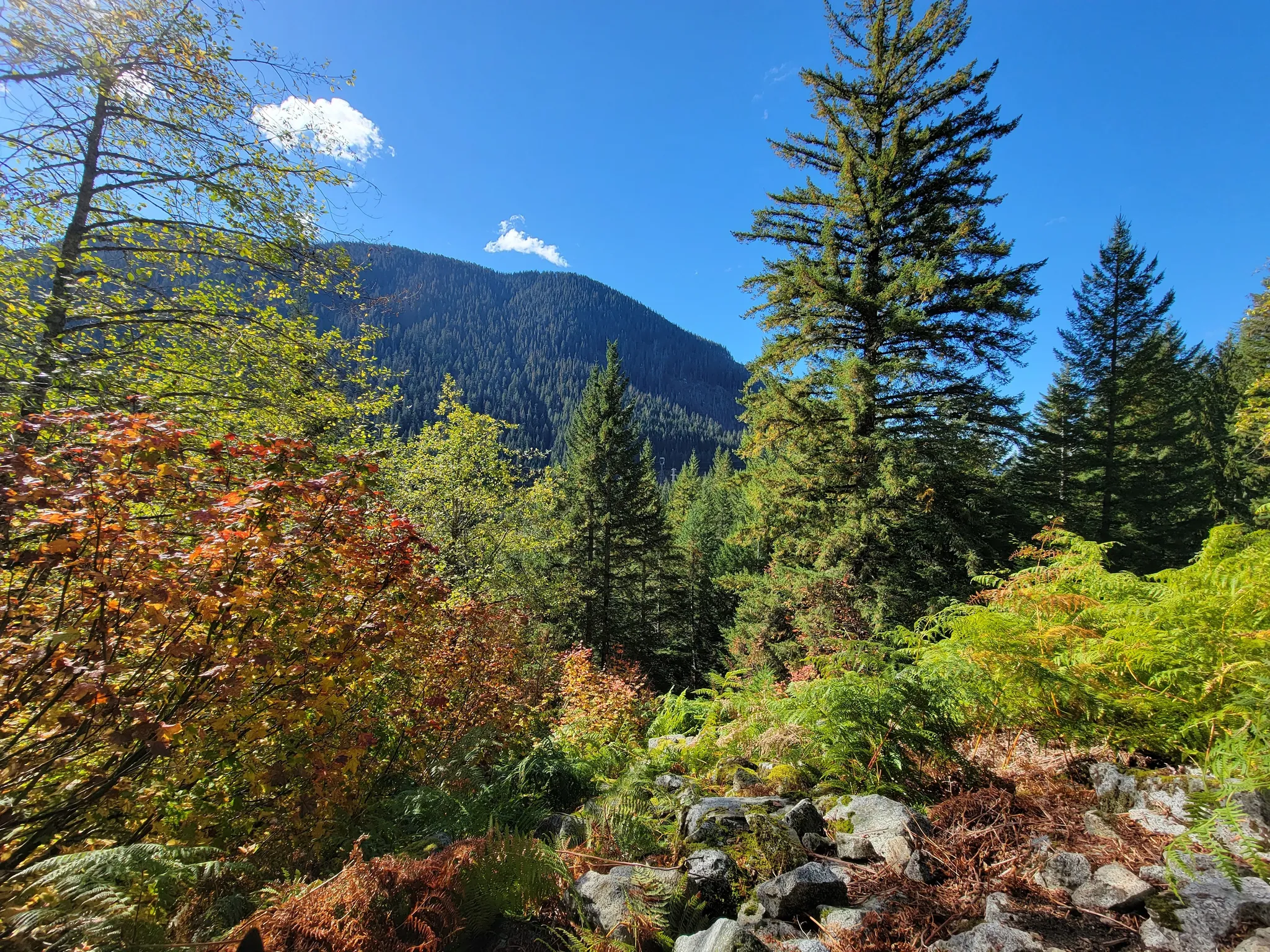
Iron Goat Trail Hiking Guide: Exploring Washington’s Scenic Railway Path
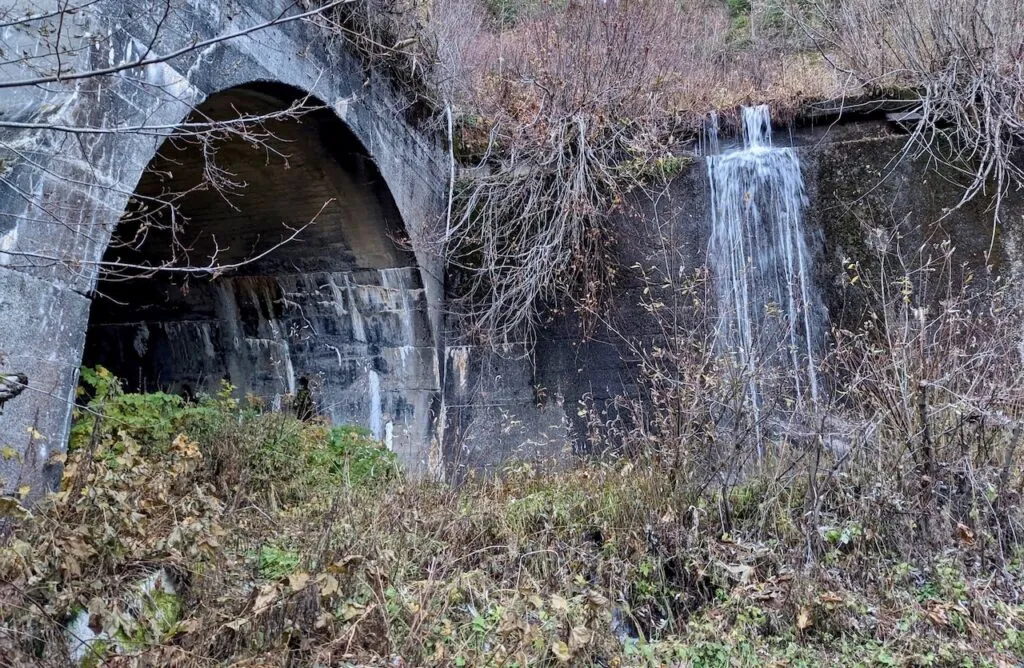
Iron Goat Trail History: Exploring the Legacy of the Great Northern Railway
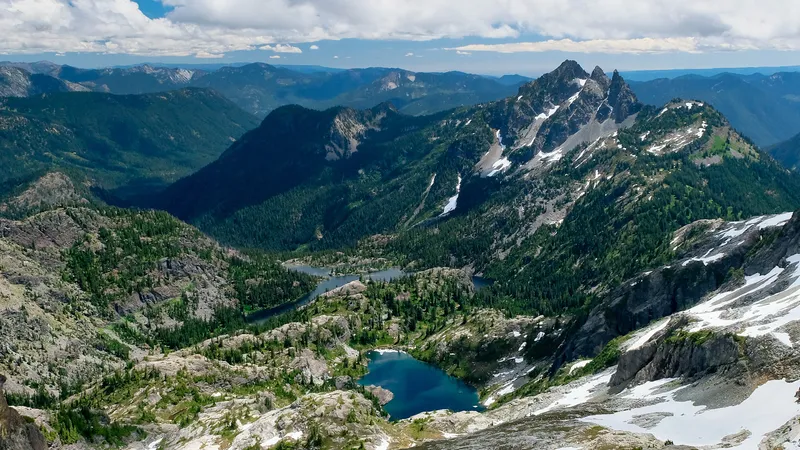
Things to Do Near Skykomish, Washington
