
The Cascade Range, with its majestic snow-capped peaks, holds a fiery secret beneath the surface. These sleeping giants have shaped the Pacific Northwest landscape for millennia, and many wonder which one might wake up next. According to scientists, Mount St. Helens is considered the most likely volcano in the Cascades to erupt next due to its restless nature and history of frequent activity.
While Mount St. Helens gets the spotlight for potential eruptions, it’s not alone in its volcanic potential. Six other Cascade volcanoes have shown activity in the past 300 years. The South Sister in Oregon last erupted about 2,000 years ago and ranks high on the watchlist, while Glacier Peak in Washington remains one of the range’s most explosive yet lesser-known volcanoes.
Find available hotels and vacation homes instantly. No fees, best rates guaranteed!
Check Availability Now
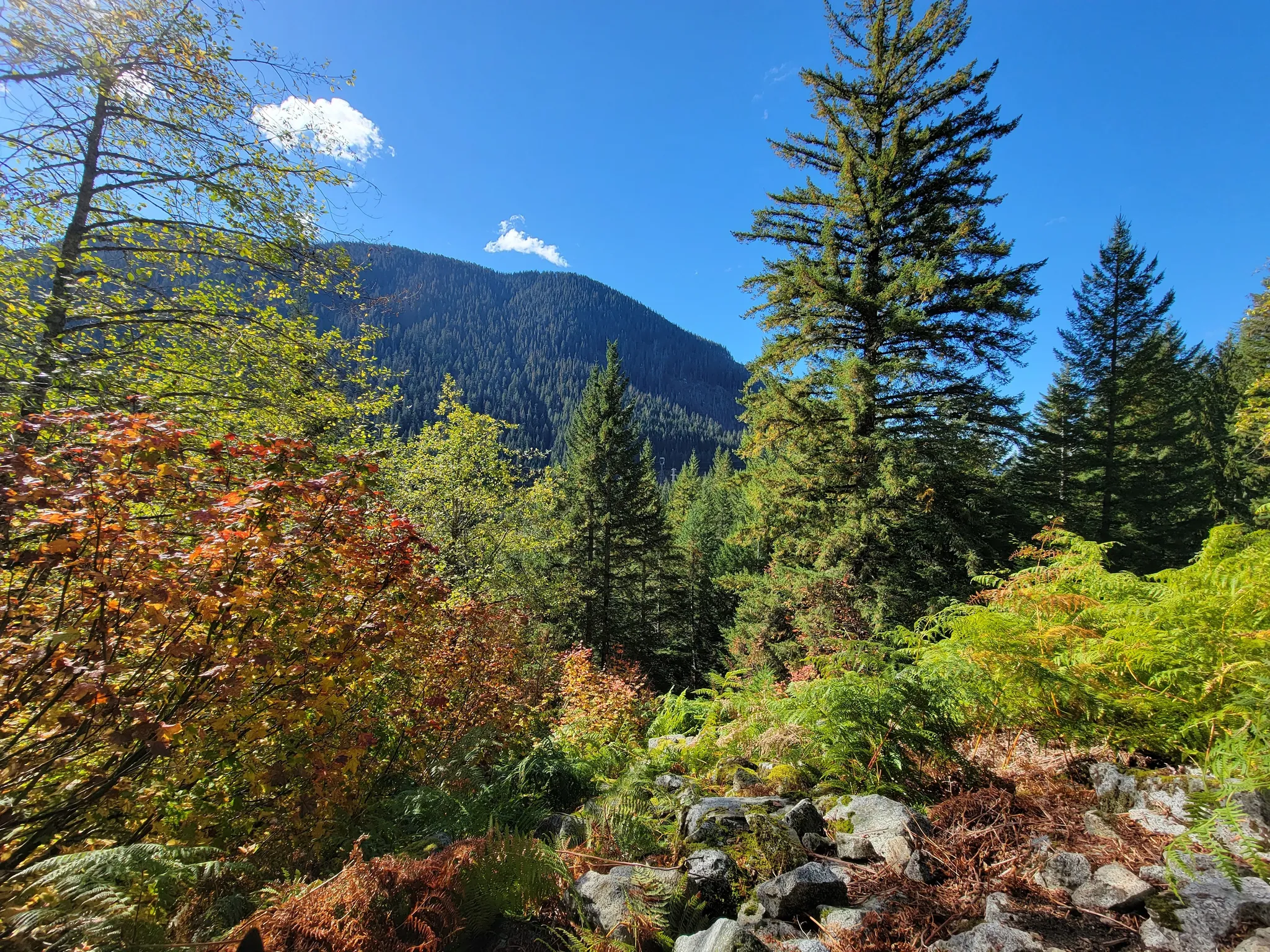
Hikers exploring the Iron Goat Trail in Washington often marvel at the distant volcanic peaks without realizing they’re walking in the shadow of these powerful forces of nature. The trail offers stunning views of the Cascades while winding through forests that have been shaped by the region’s volcanic history, giving visitors a chance to appreciate both the beauty and power of these magnificent mountains.
Volcanic Hazards of Cascade Volcanoes
The Cascade Range volcanoes present several significant hazards that can impact surrounding communities. These dangers include explosive eruptions, lahars, pyroclastic flows, and lava flows that have shaped the landscape over thousands of years.
Mount St. Helens: A Historical Perspective
Mount St. Helens provided the most dramatic example of Cascade volcanic hazards in recent history. The May 18, 1980 eruption killed 57 people and caused widespread destruction across Washington state.
This catastrophic event began with a massive landslide followed by a lateral blast that flattened forests for miles. The eruption sent ash 15 miles into the atmosphere, affecting communities across several states.
Pyroclastic flows – high-speed avalanches of hot gas, ash, and rock – scorched everything in their path. These flows typically follow explosive eruptions of tephra (volcanic fragments) or occur when lava flow fronts collapse.
More recently in 2004, Mount St. Helens experienced renewed activity, reminding residents that the volcano remains active. This activity included dome-building eruptions but was significantly less explosive than the 1980 event.
Mount Rainier’s Potential for Future Eruptions
Mount Rainier poses perhaps the greatest hazard potential of any Cascade volcano due to its massive glaciers and proximity to populated areas. Its primary threat comes in the form of lahars – powerful mudflows created when volcanic heat melts snow and ice.
These destructive mudflows can travel many miles downstream, transforming landscapes and threatening communities in valleys below. Past lahars from Rainier have reached as far as Puget Sound, where many people live today.
The volcano also presents risks of ash fall, pyroclastic flows, and lava flows during potential future eruptions. Scientists carefully monitor seismic activity around Mount Rainier to provide early warnings of possible eruptions.
Communities in the shadow of this massive volcano have evacuation plans in place, especially for the lahar hazard, which many consider the most threatening volcanic danger in the Cascades.
Other Notable Volcanoes in the Cascades
While Mount St. Helens and Rainier receive much attention, other Cascade volcanoes also pose significant threats. Glacier Peak, though remote, has produced some of the region’s largest explosive eruptions in the past.
These volcanoes are composite (stratovolcanoes), characterized by steep sides and explosive eruptions that can cause widespread damage. The hazards include pyroclastic flows, lahars, ash fall, and lava flows that reshape the surrounding landscape.
Monitoring systems track seismic activity throughout the Cascade Range to detect signs of magma movement that might signal an impending eruption. Volcanic gas emissions and ground deformation also provide important clues about volcanic restlessness.
Visitors to these majestic mountains, including hikers on the popular Iron Goat Trail near Stevens Pass, should stay informed about volcanic activity and be aware of emergency procedures when exploring these beautiful but potentially dangerous landscapes.
Monitoring and Predicting Eruptions
Volcano monitoring systems provide crucial information that helps scientists track potential eruptions before they happen. Advanced technologies and dedicated teams work around the clock to keep communities safe.
Advance Warnings and Signs of Eruption
Volcanoes typically give warning signs before they erupt. These signs include increased seismic activity, ground deformation, and changes in gas emissions.
Earthquake swarms often precede eruptions as magma moves beneath the surface. These tiny quakes can start months before an actual eruption.
Ground deformation happens when magma pushes upward, causing the volcano to swell. Scientists measure these changes using GPS and satellite technology.
Gas emissions also change before eruptions. Increases in sulfur dioxide and carbon dioxide can signal that magma is rising toward the surface.
Temperature changes in the ground and nearby water bodies might indicate heating from below. Hot springs near volcanoes may become warmer or change their mineral content.
Role of the U.S. Geological Survey
The USGS monitors Cascade volcanoes through its Cascades Volcano Observatory (CVO). They maintain networks of instruments on and around these mountains.
Teams of scientists analyze data constantly, looking for patterns that might indicate an upcoming eruption. They use historical eruption data to create better prediction models.
The USGS issues alerts using a color-coded system:
- Green: Normal background activity
- Yellow: Signs of unrest above background levels
- Orange: Heightened unrest with potential for eruption
- Red: Eruption is imminent or underway
They work closely with local emergency management agencies to develop evacuation plans. This coordination ensures communities near volcanoes like Mount St. Helens have time to respond.
Technologies in Volcano Monitoring
Modern volcano monitoring combines several high-tech approaches. Seismometers detect even the smallest earthquakes beneath volcanoes.
GPS stations and tiltmeters measure subtle ground movements. When positioned strategically around a volcano, they can detect changes of just a few millimeters.
Satellite-based InSAR (Interferometric Synthetic Aperture Radar) creates detailed maps of ground deformation. This technology can monitor large areas from space.
Gas-monitoring equipment measures emissions from fumaroles and vents. Some systems provide real-time data through wireless networks.
Thermal cameras detect heat changes that might indicate rising magma. They’re especially useful for monitoring at night or through clouds.
Hikers on the Iron Goat Trail in Washington can see firsthand how volcanic monitoring protects the region. This historic trail winds through an area shaped by the Cascades’ volcanic history, with monitoring stations visible on nearby peaks.
Find available hotels and vacation homes instantly. No fees, best rates guaranteed!
Check Availability Now
Iron Goat Trail Hiking Guide: Exploring Washington’s Scenic Railway Path
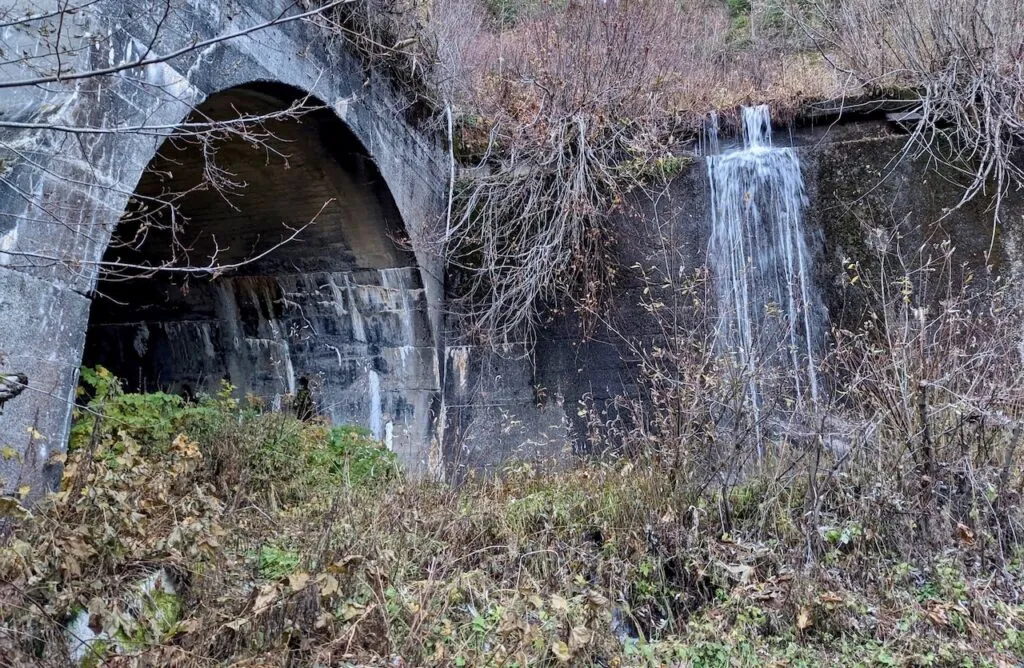
Iron Goat Trail History: Exploring the Legacy of the Great Northern Railway
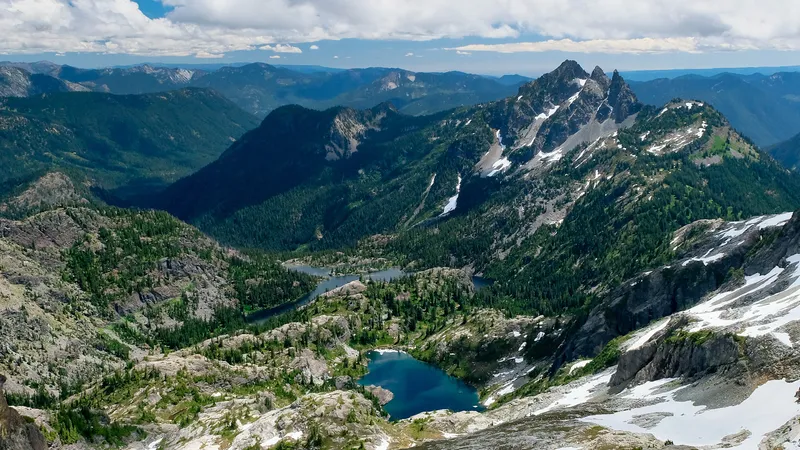
Things to Do Near Skykomish, Washington
